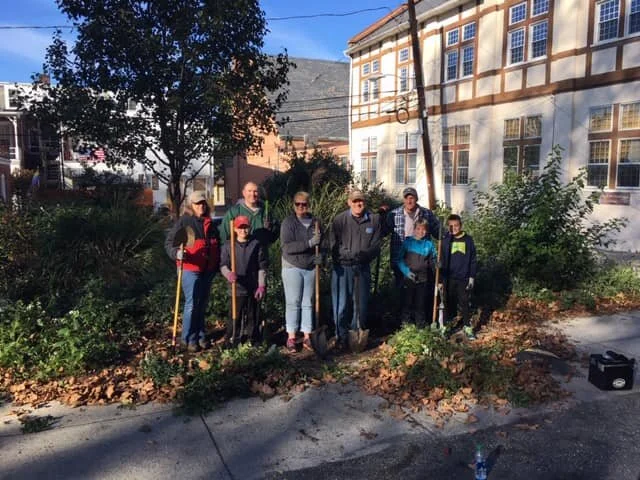
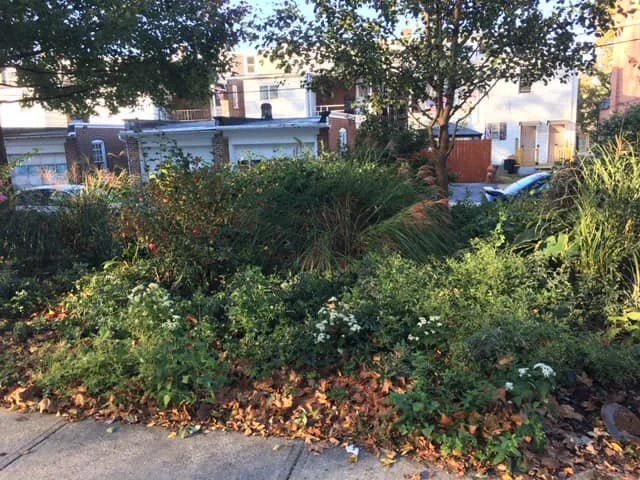
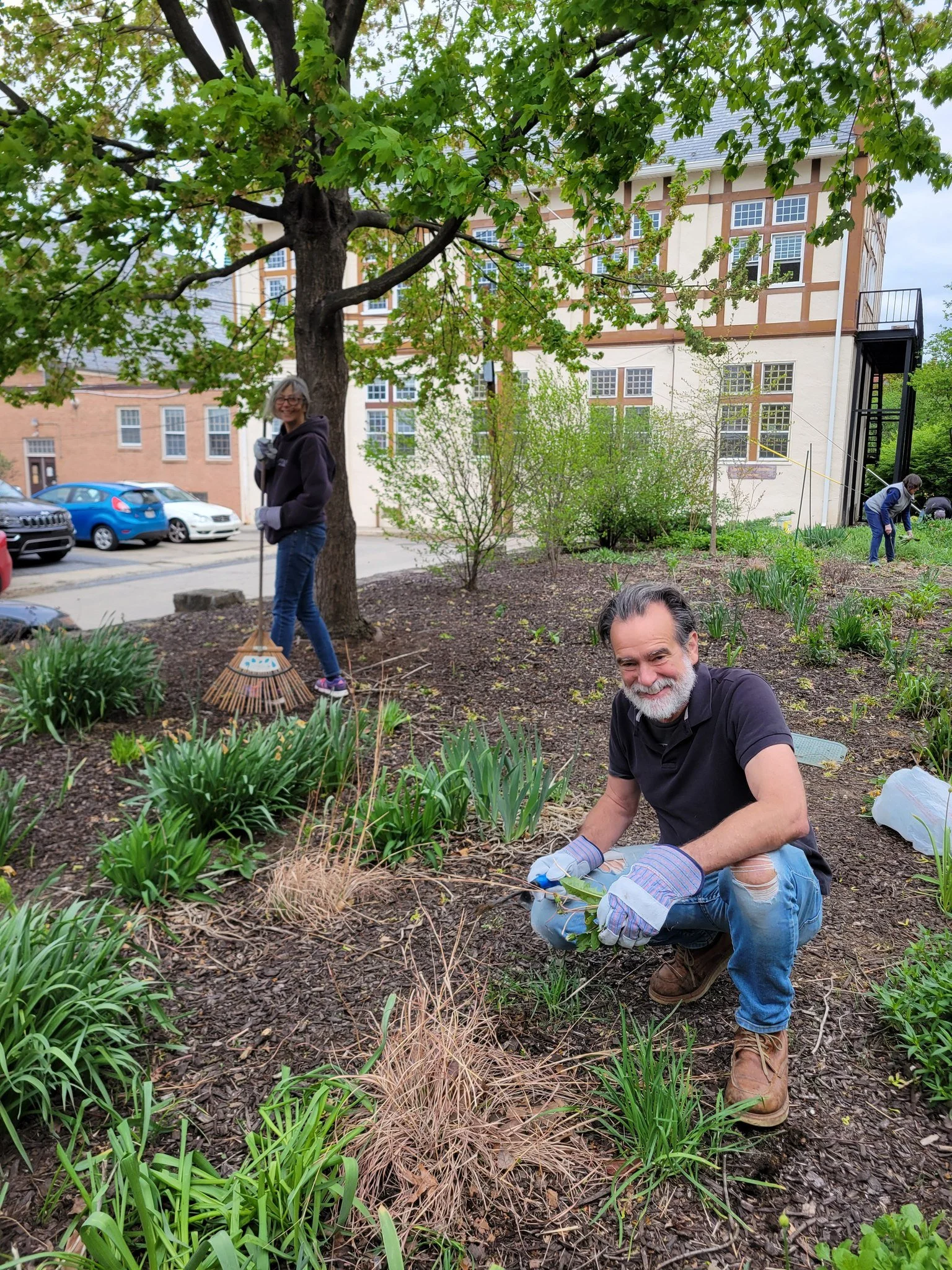
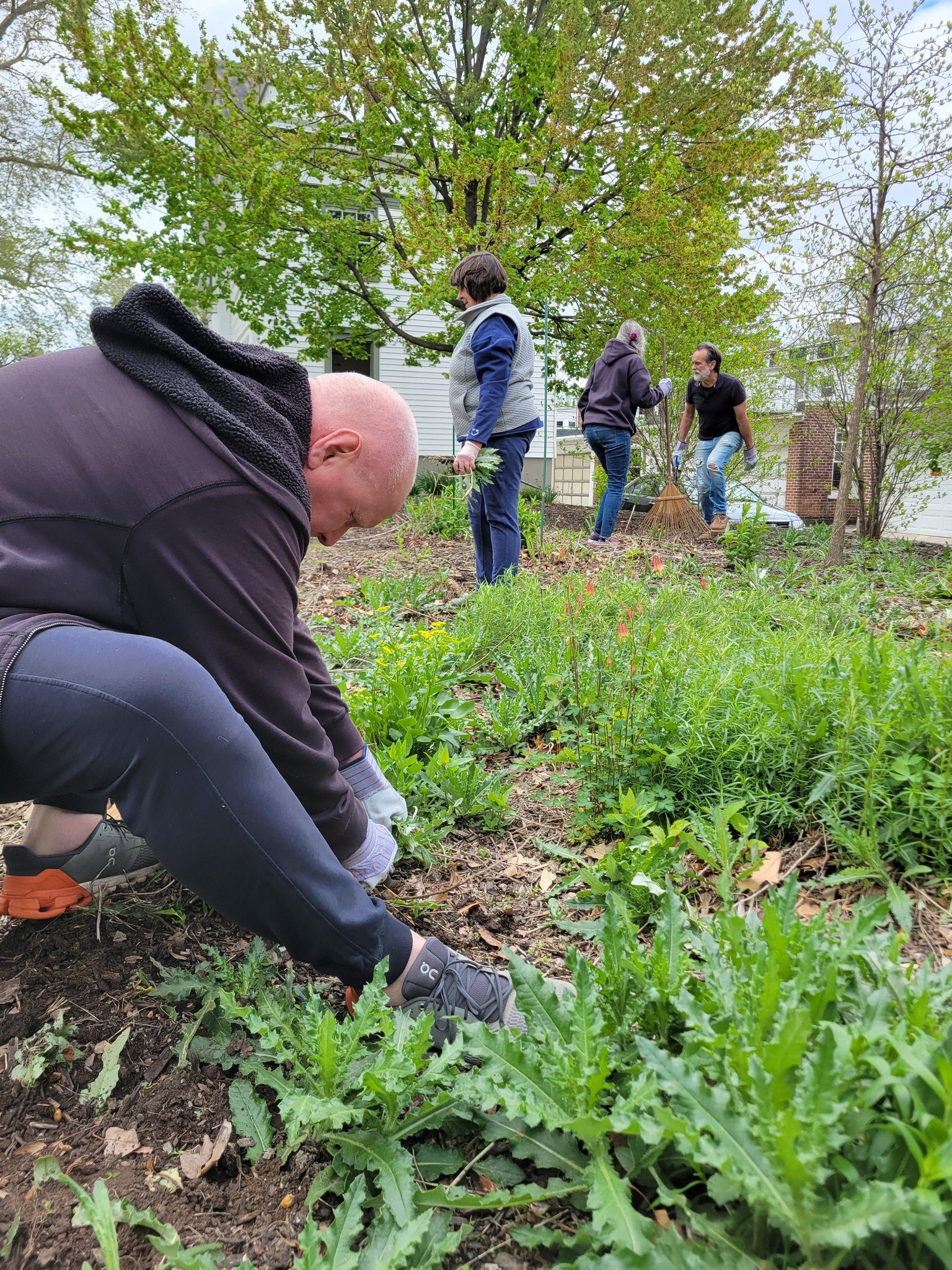
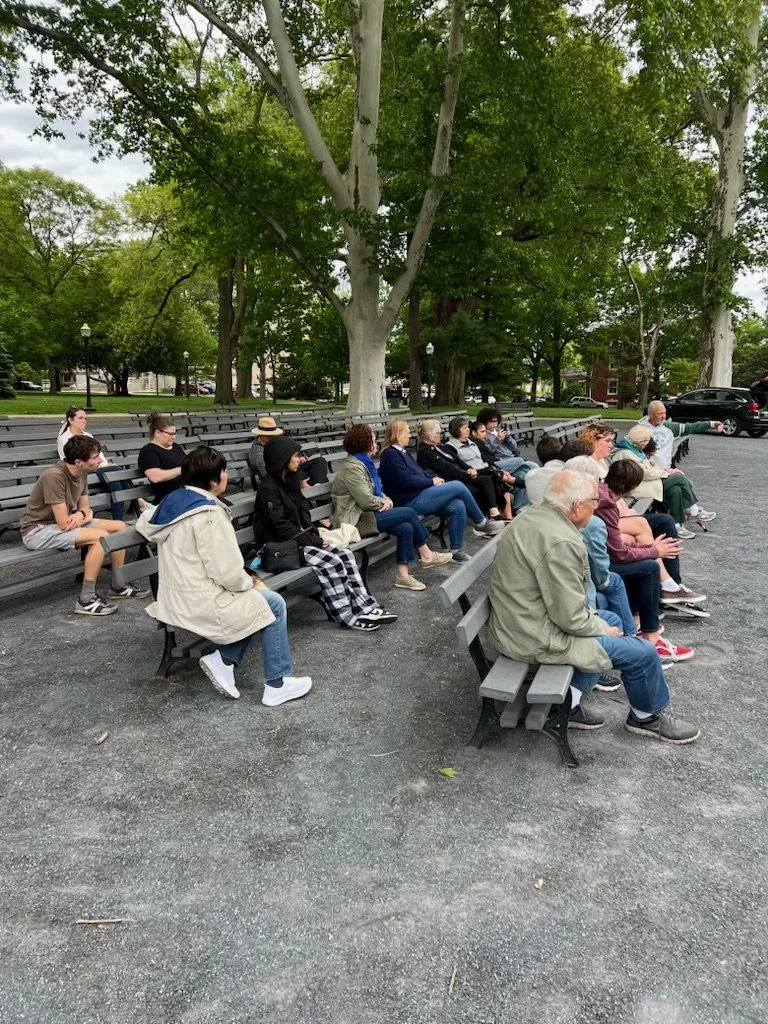
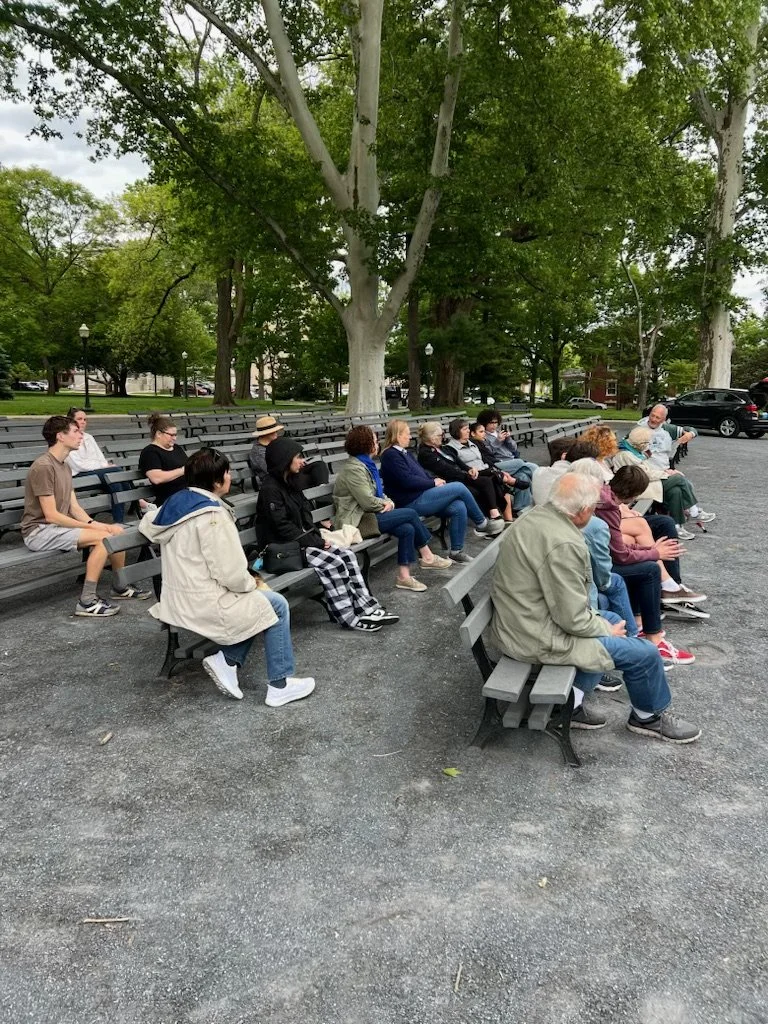
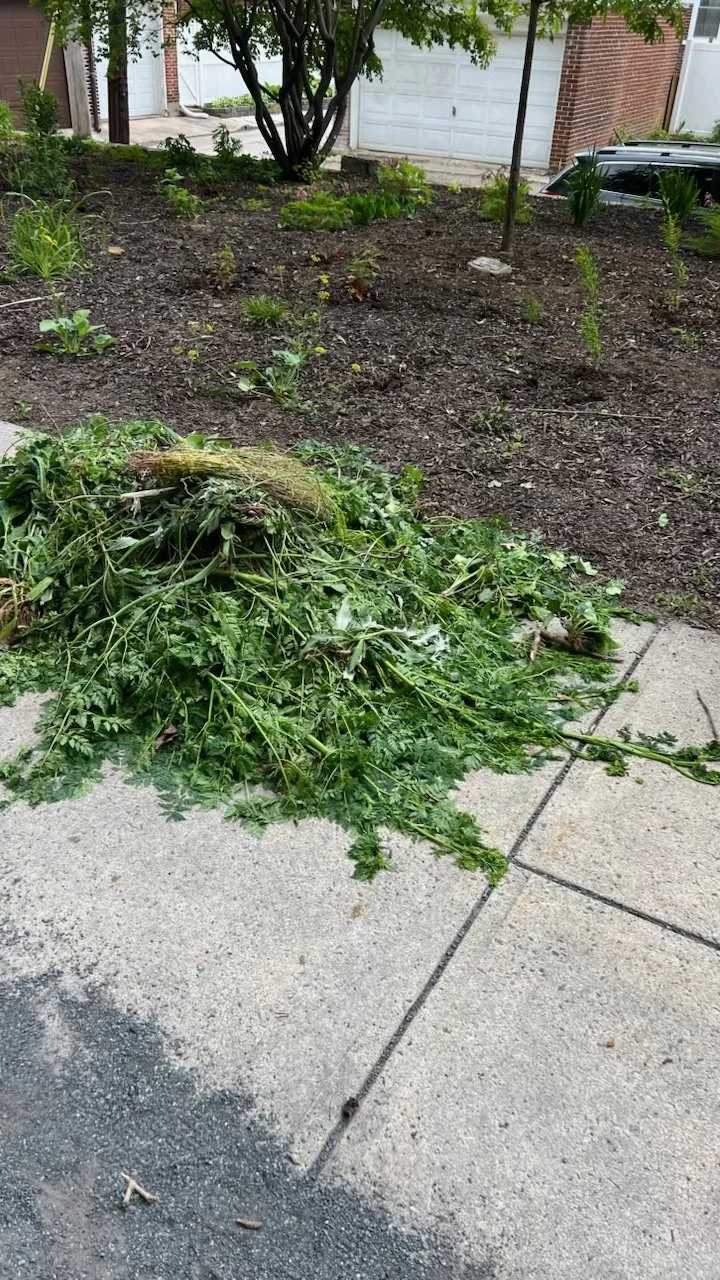
In October 2019, neighborhood volunteers transformed the overgrown beds north of the West Park bandshell into the neighborhood’s first pollinator-friendly native plant garden with guidance from Edge of the Woods Native Plant Nursery. That first phase proved how quickly a small patch of native plants can bring life back to an urban green space.
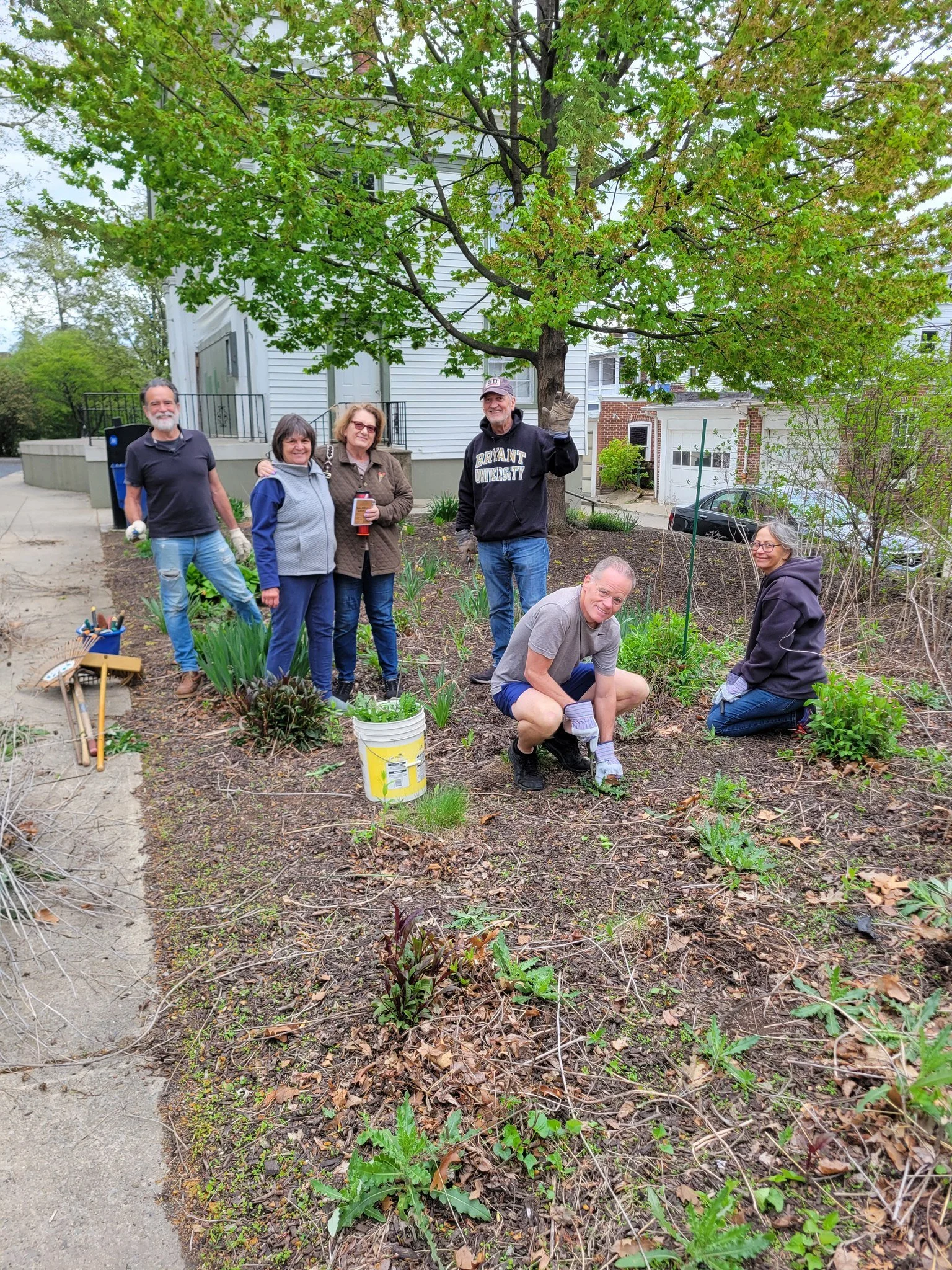
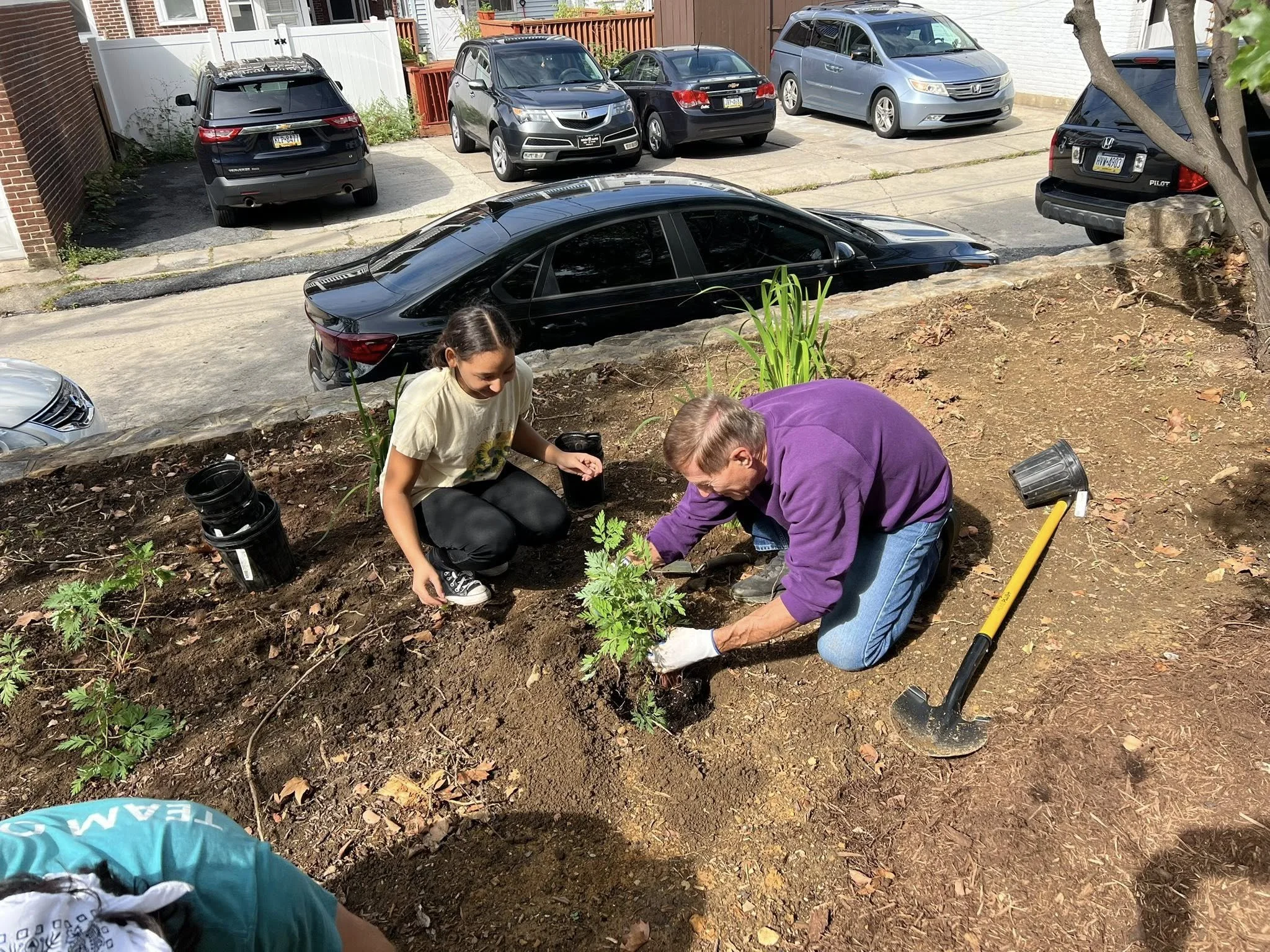
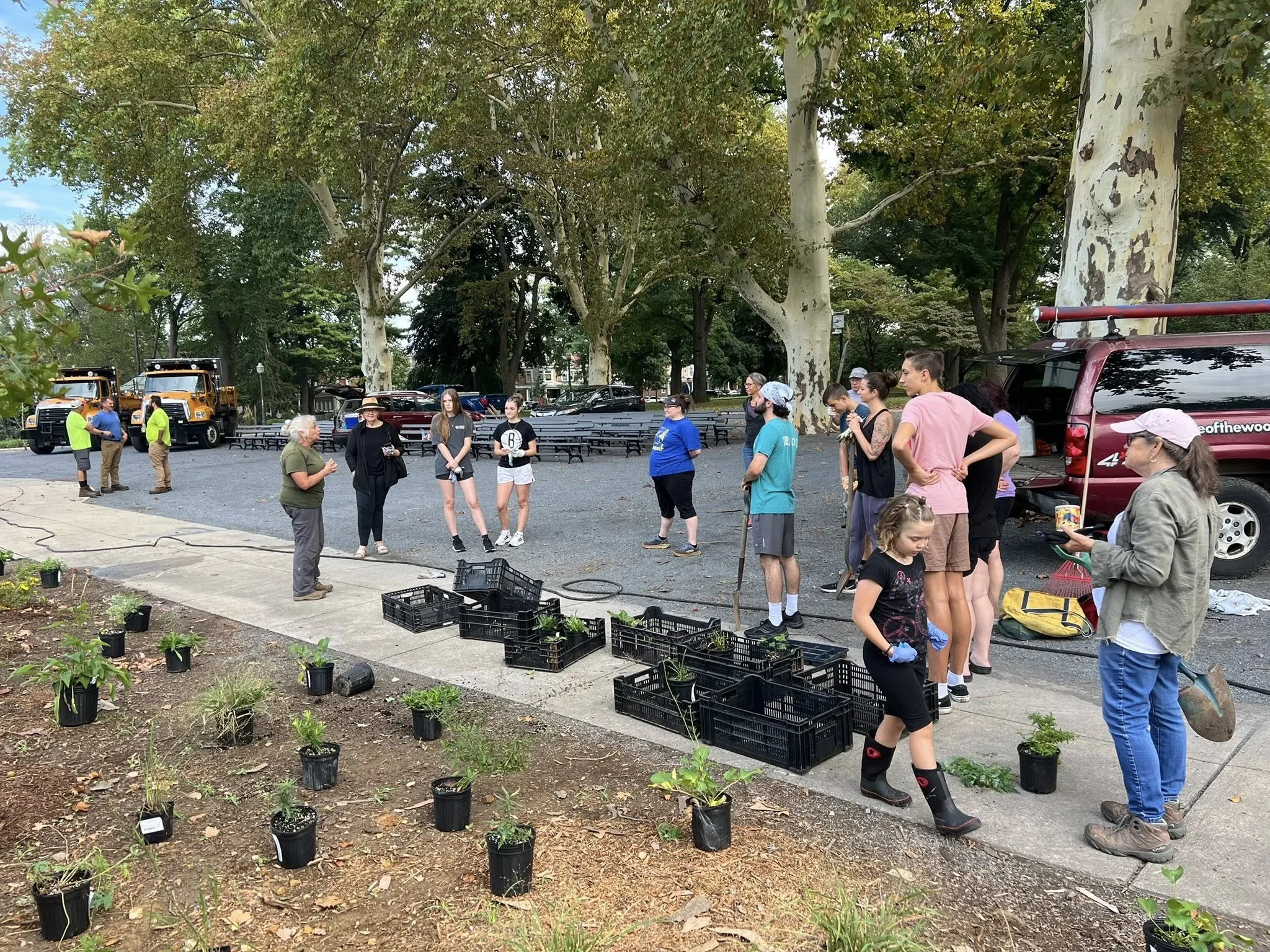
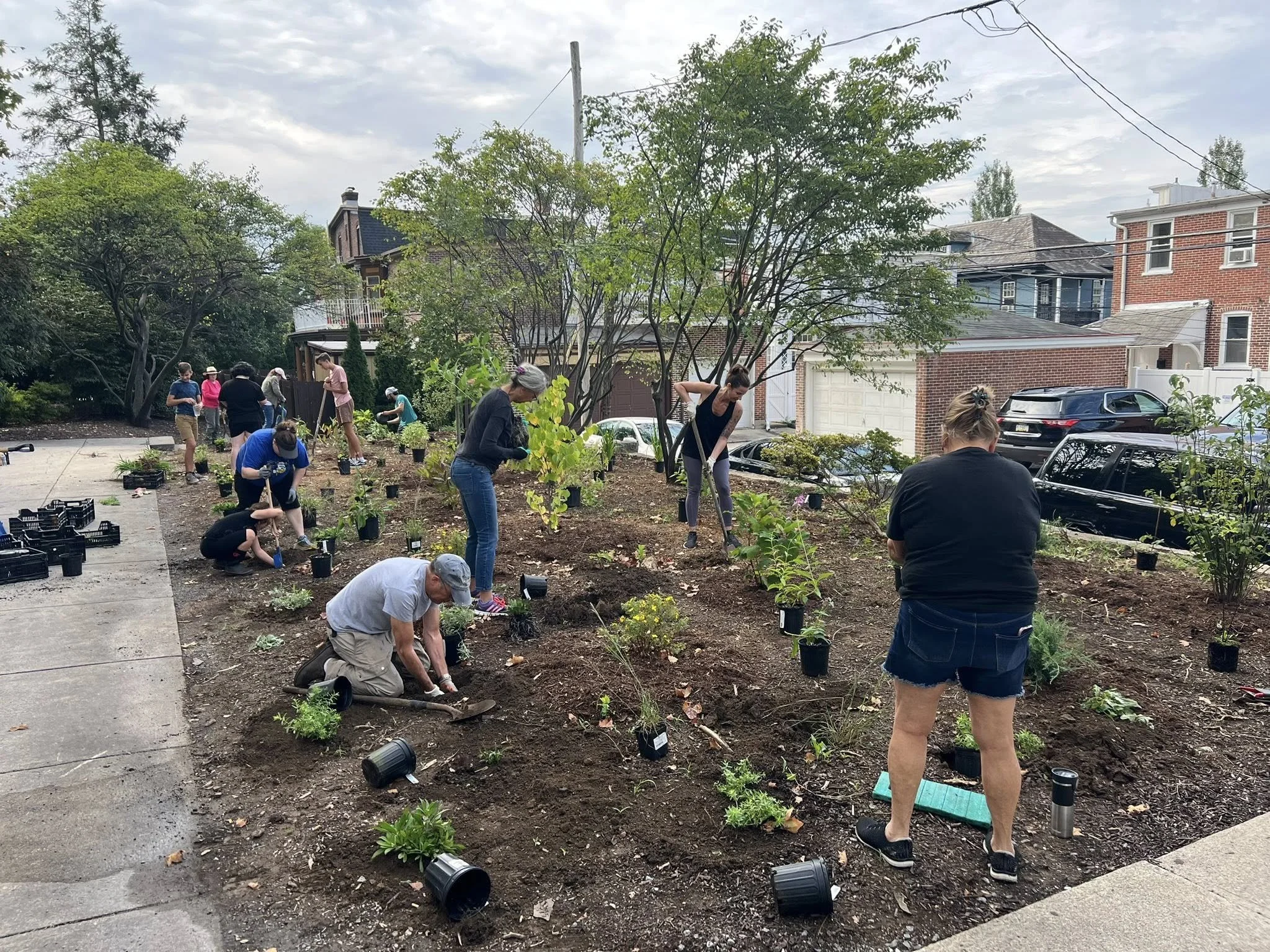
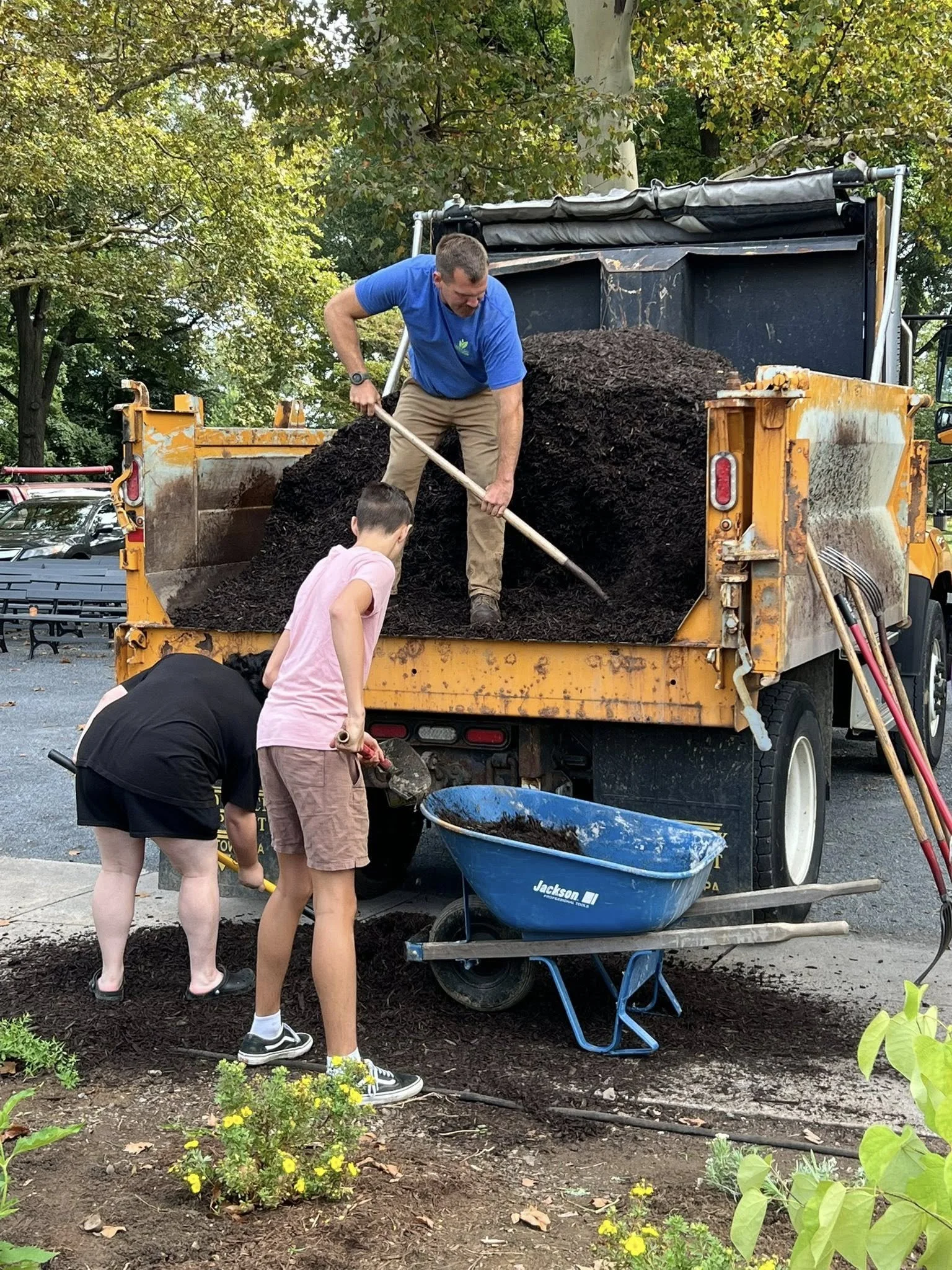
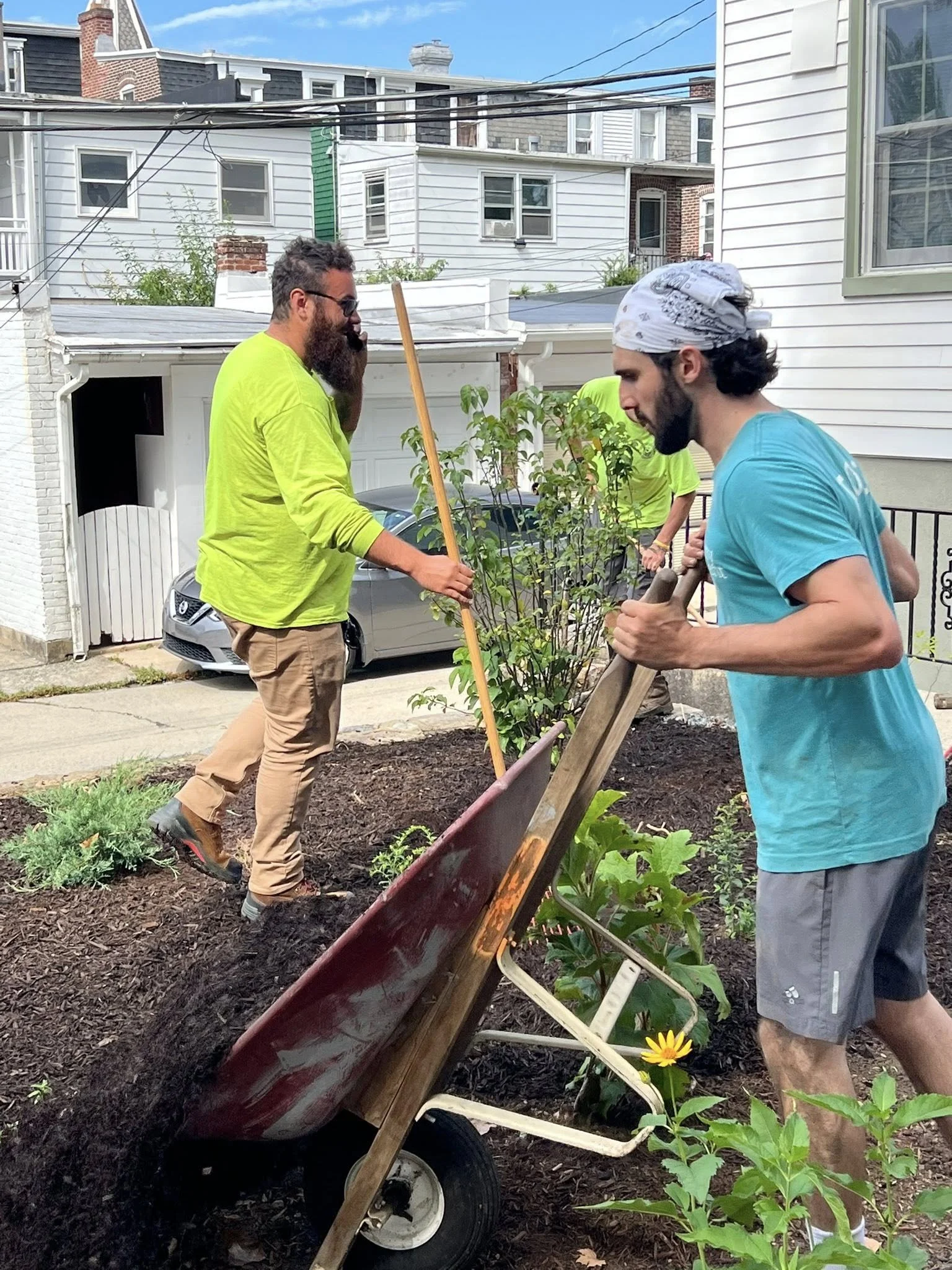
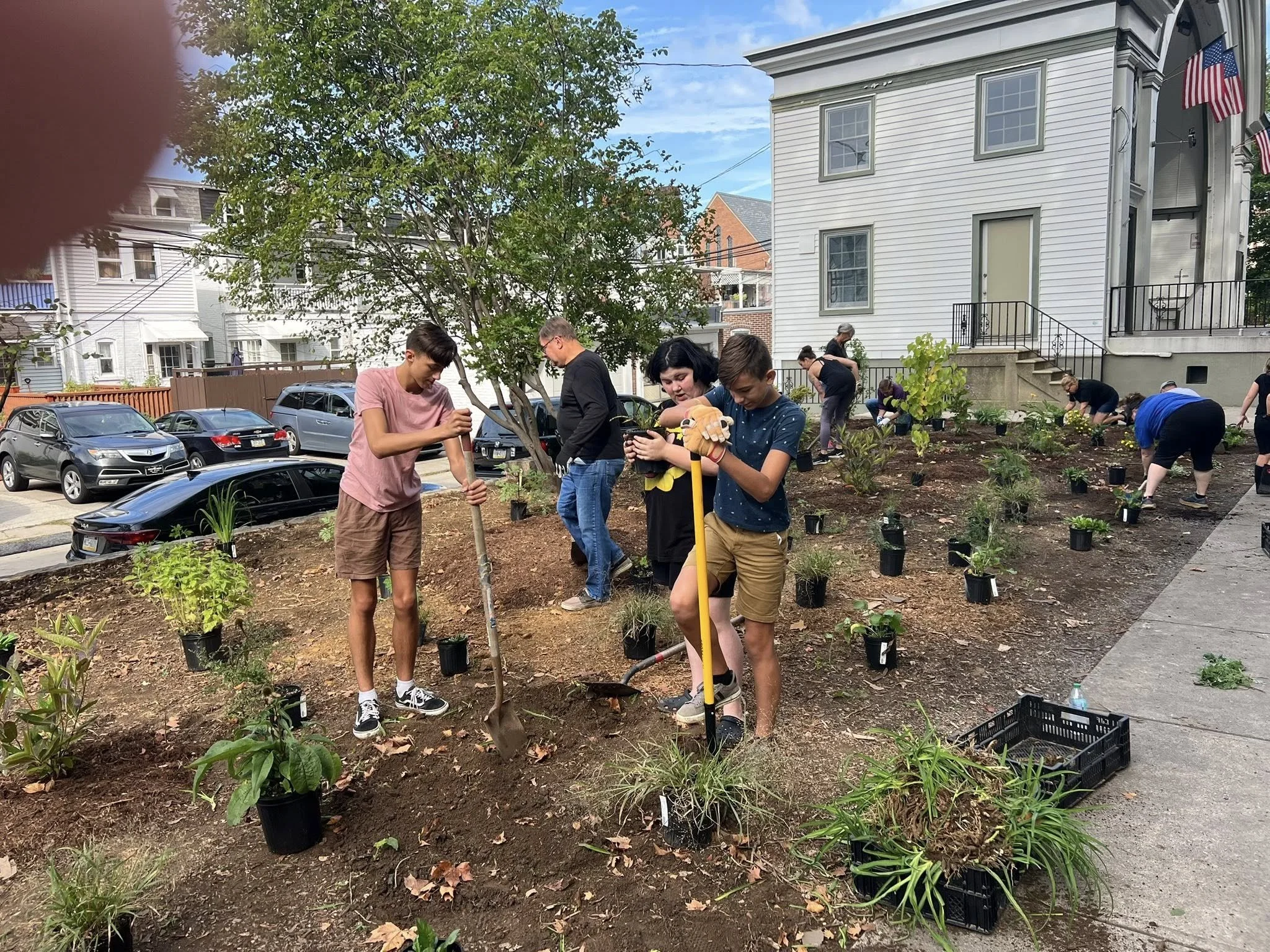
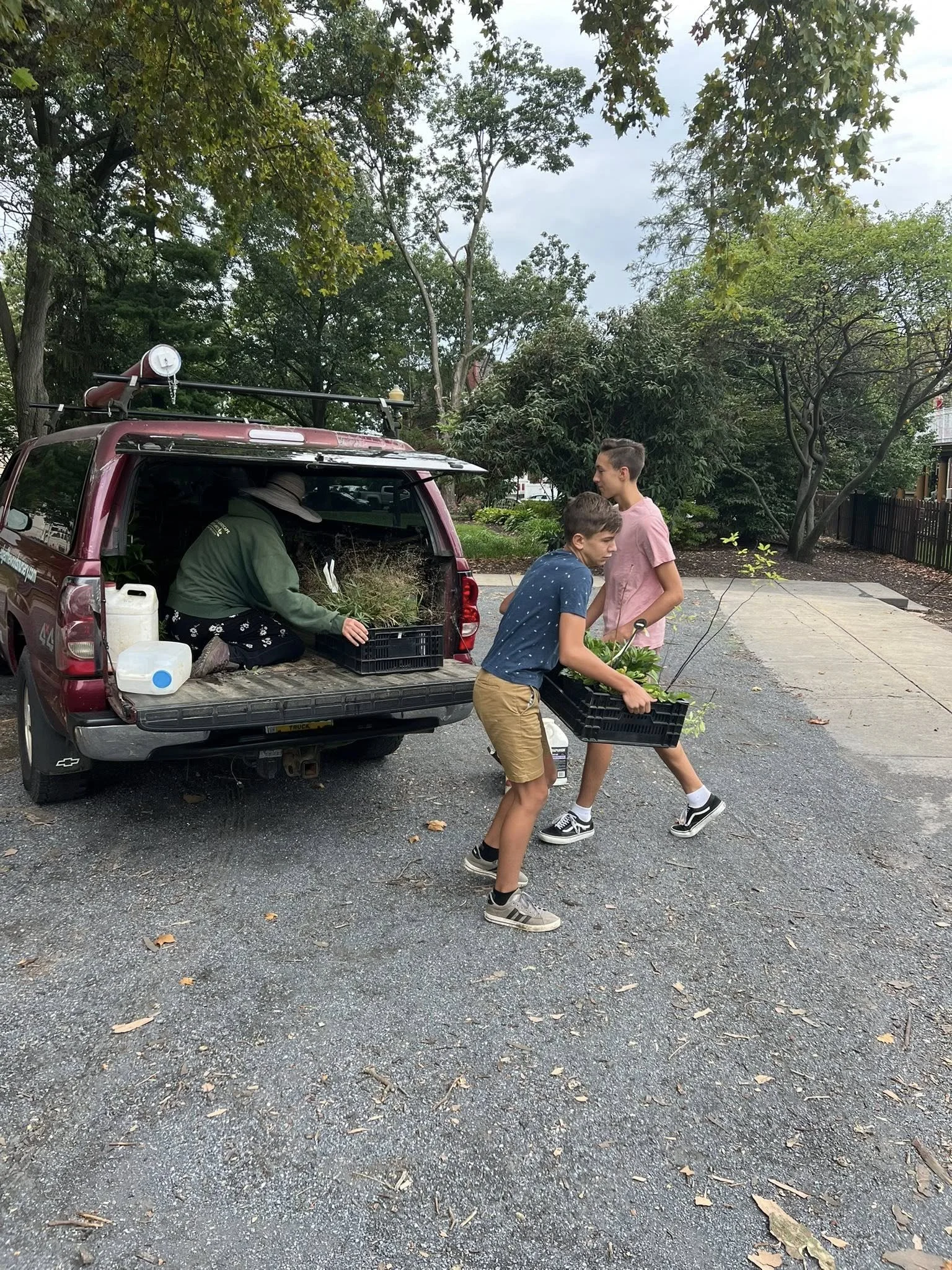
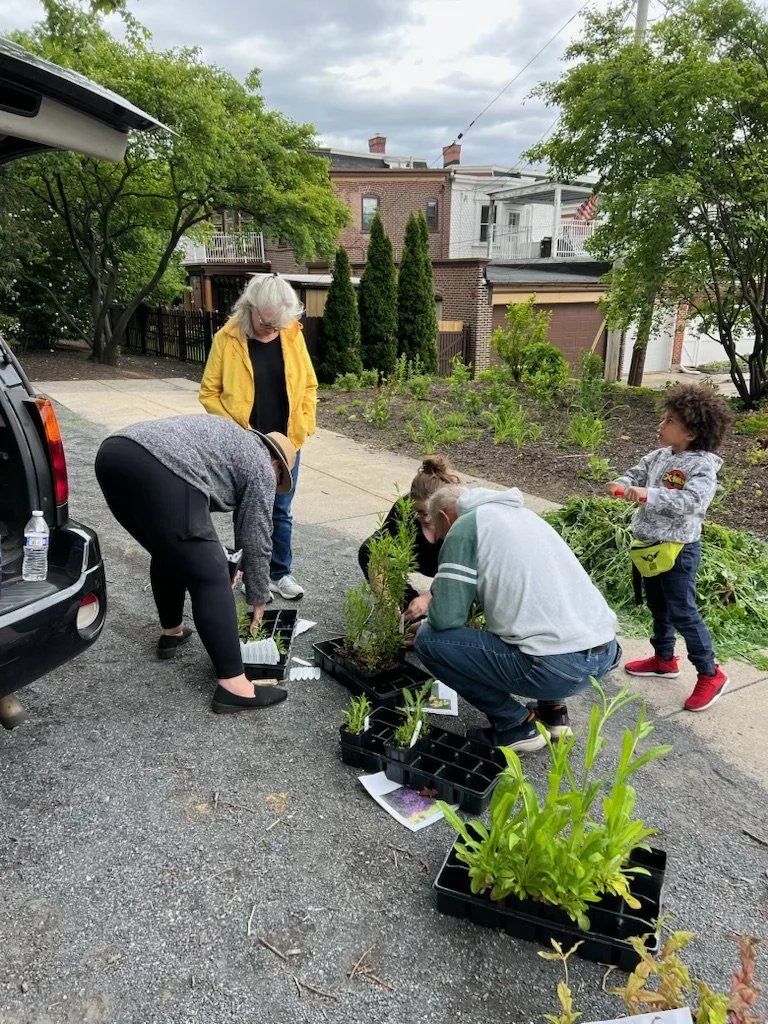
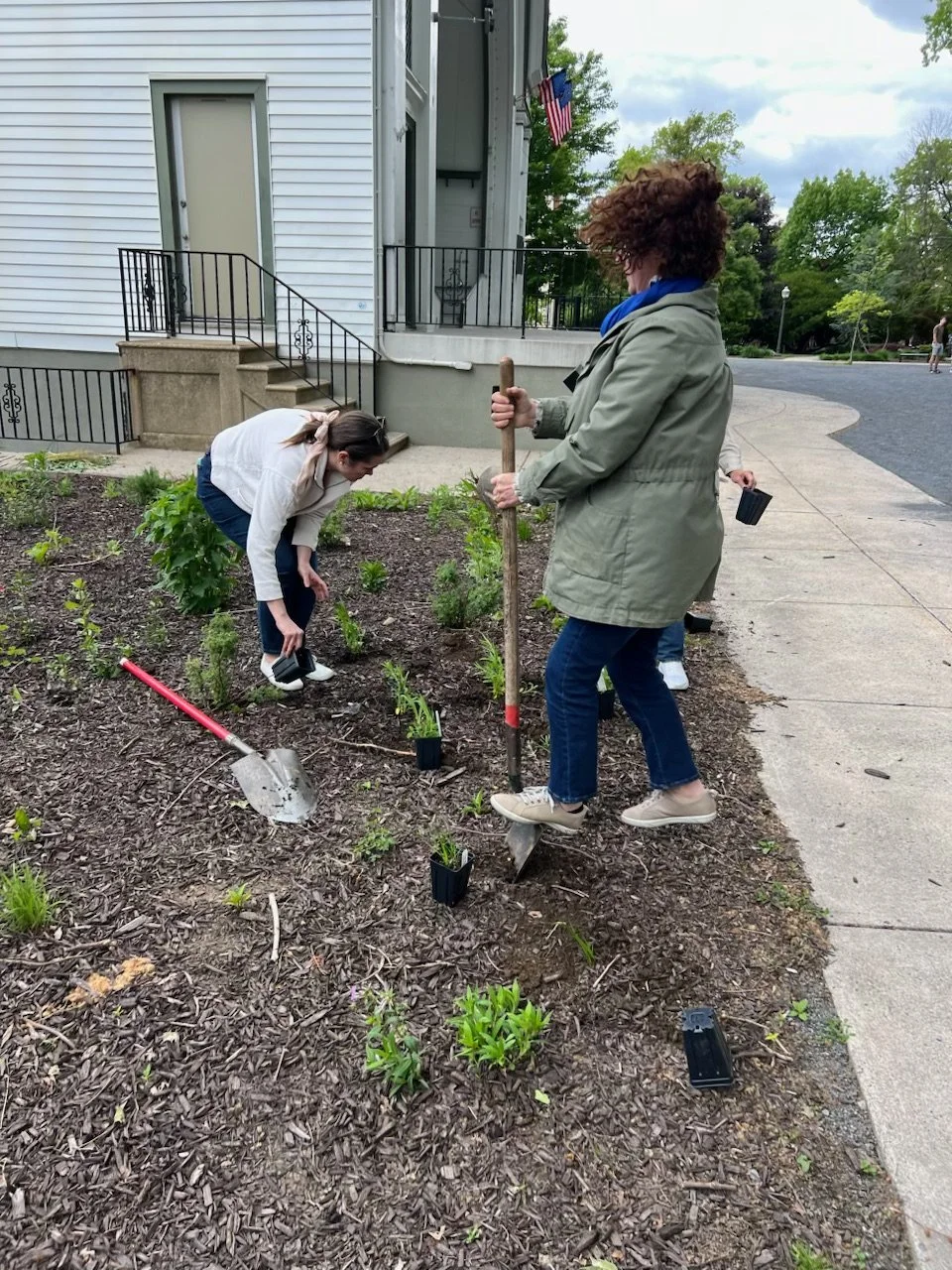
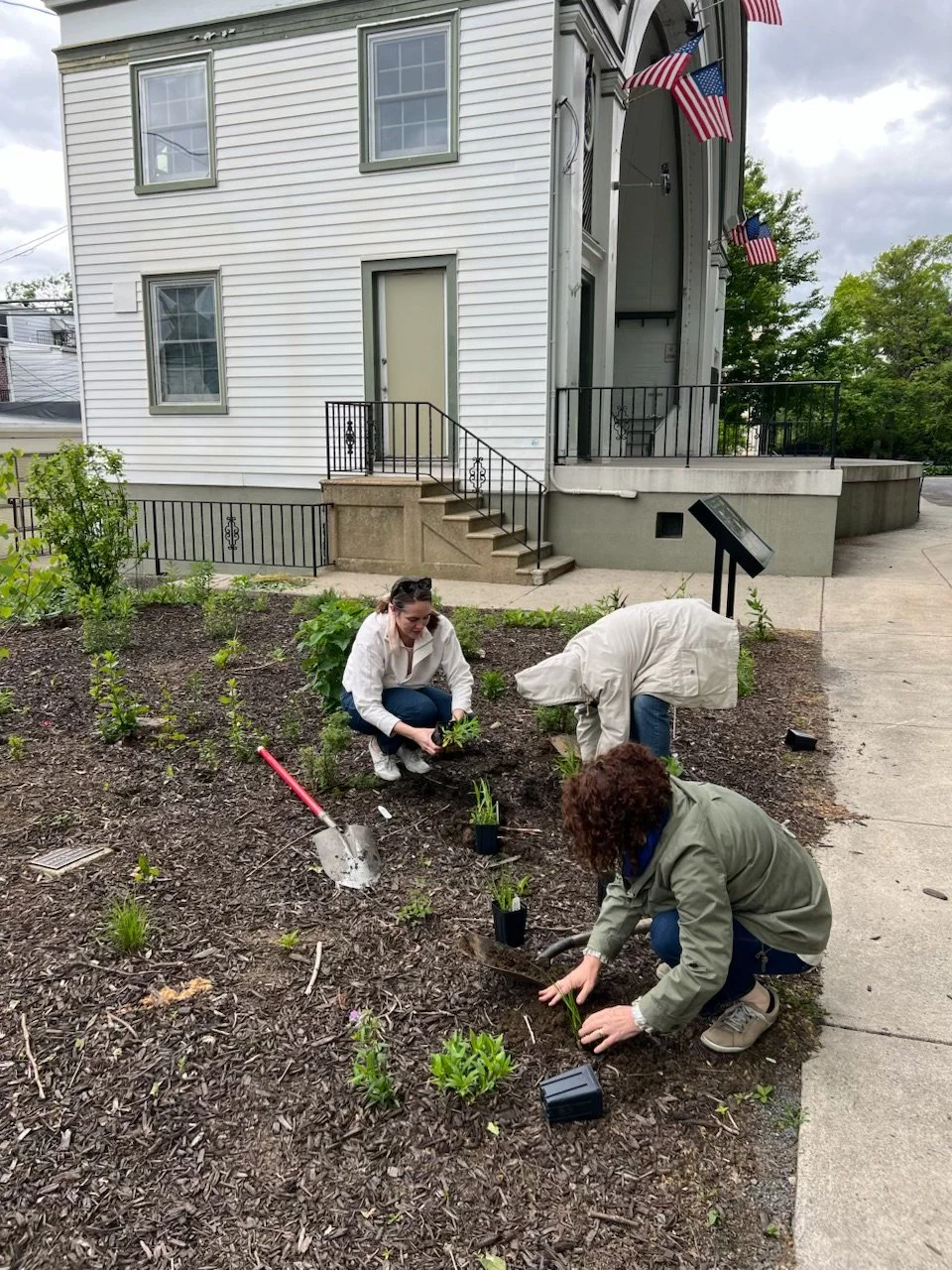
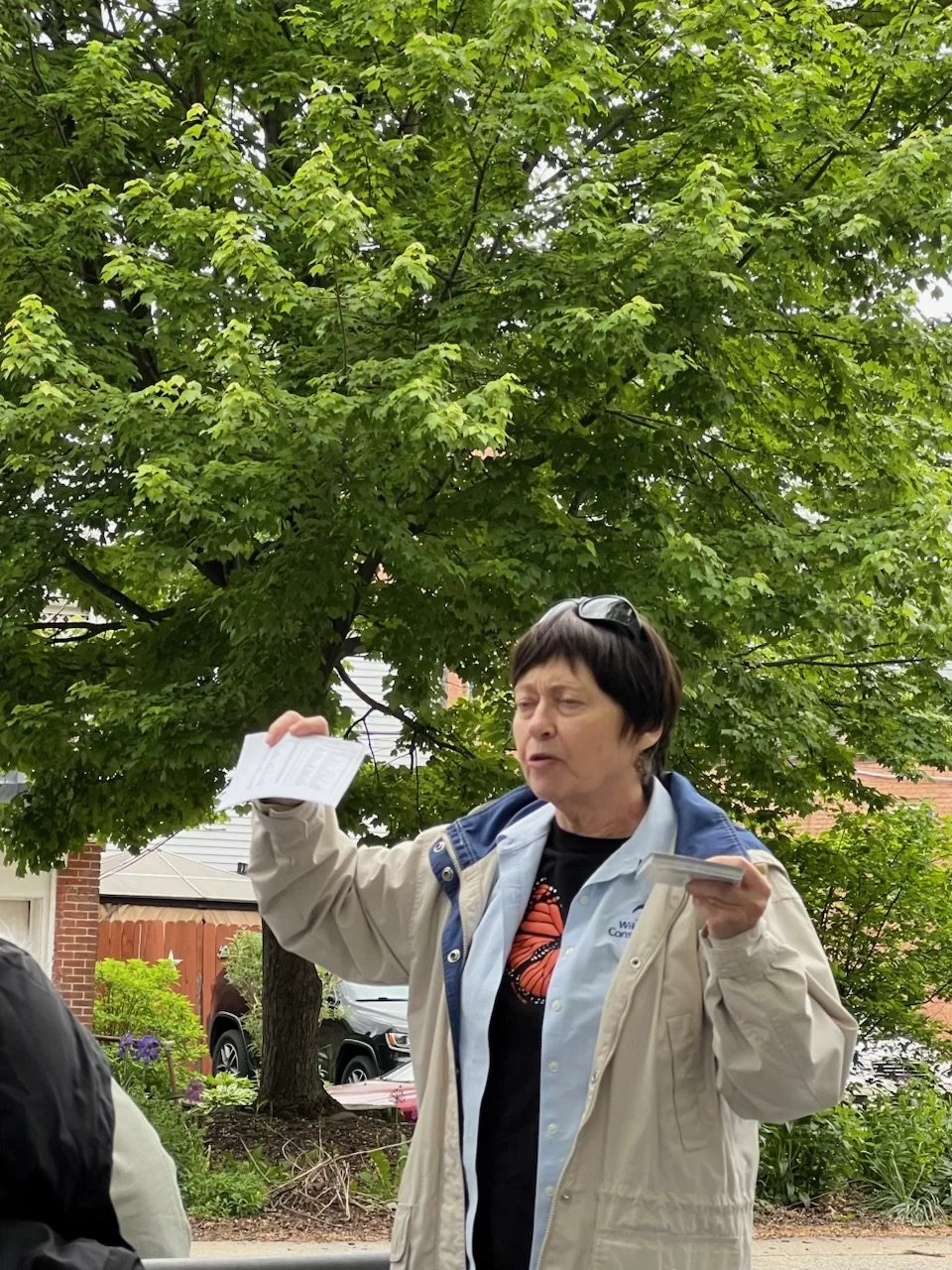
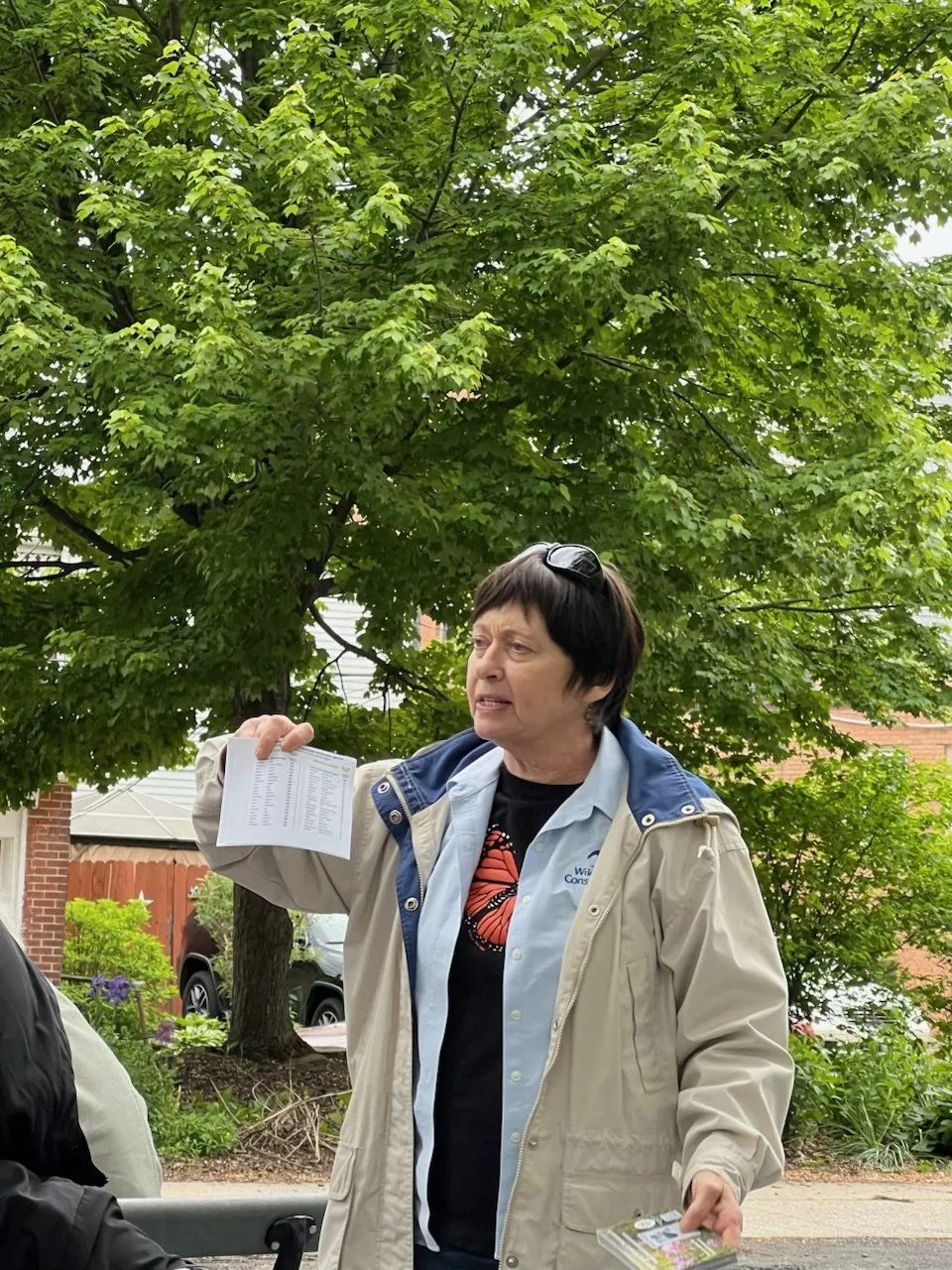
In September 2025, backed by grants from Bloomberg Philanthropies’ Youth Climate Action Fund and the City of Allentown’s Love Your Block program, 42 volunteers returned to expand the effort. Organized by the West Park Civic Association and joined by William Allen High School’s Environmental Club, the Episcopal Church of the Mediator, Victory House of the Lehigh Valley, Girl Scouts, and the National Honor Society, volunteers worked alongside three staff from Edge of the Woods and three staff from the City of Allentown Parks and Recreation Department to extend the gardens to the south side of the historic 1908 bandshell.
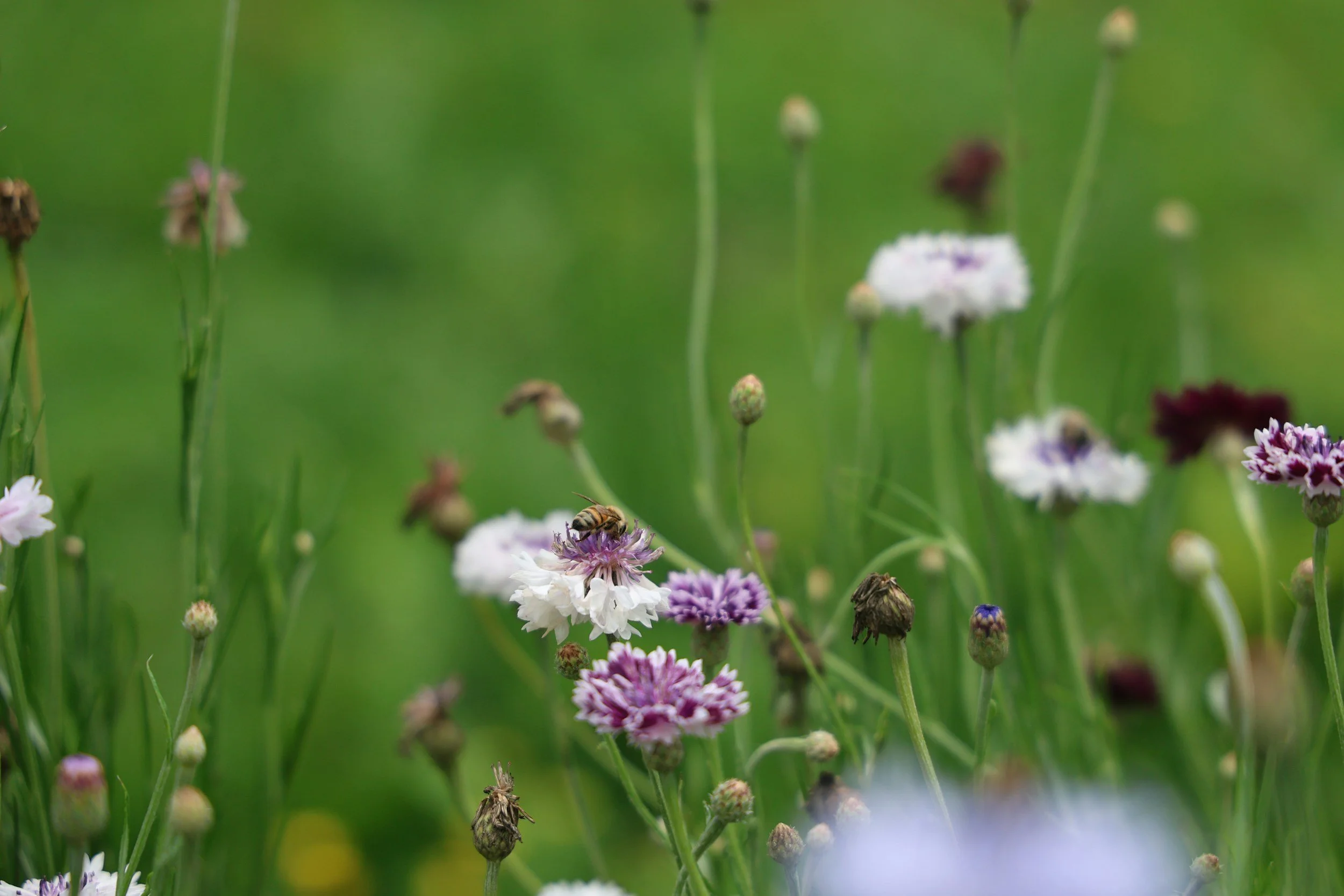
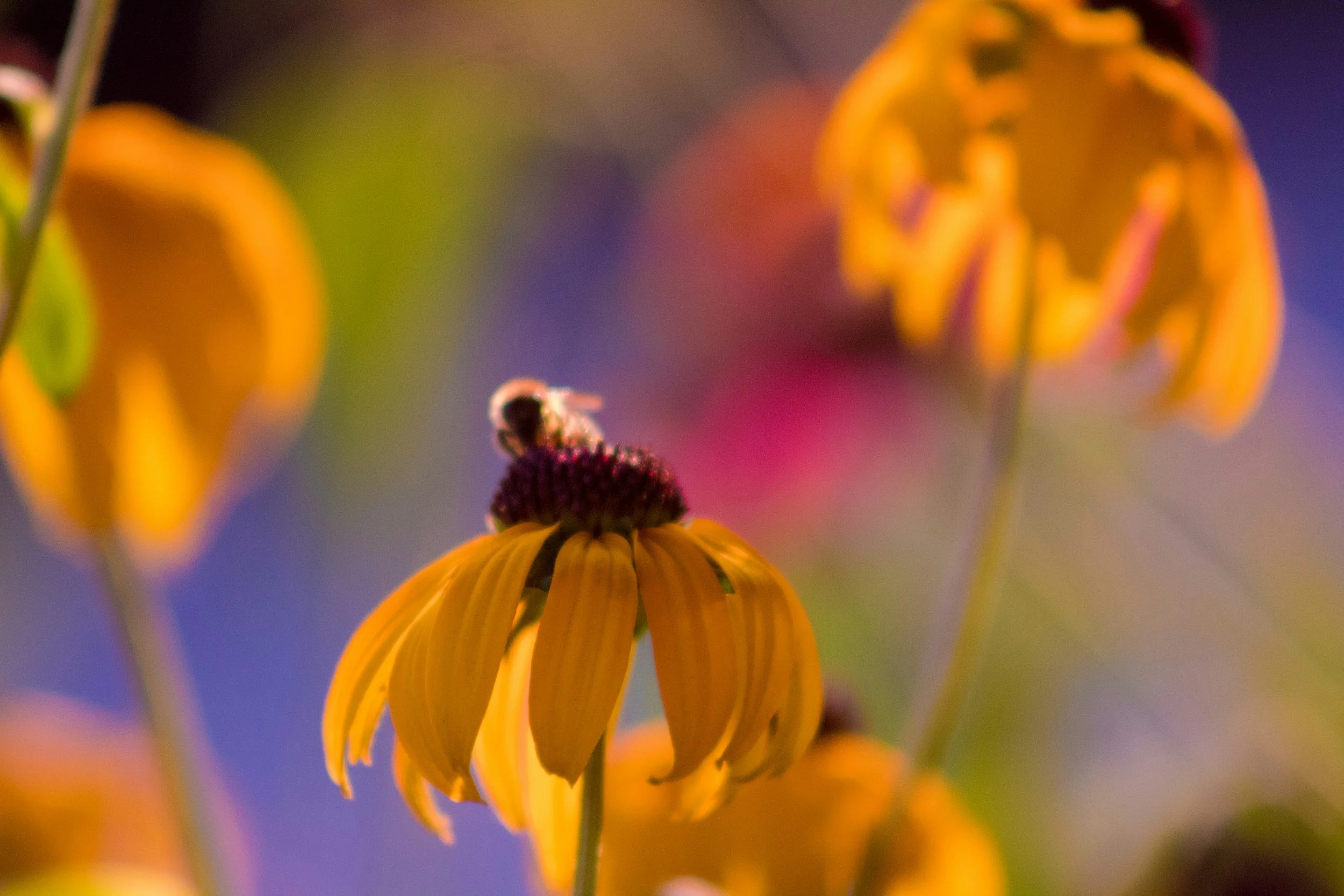
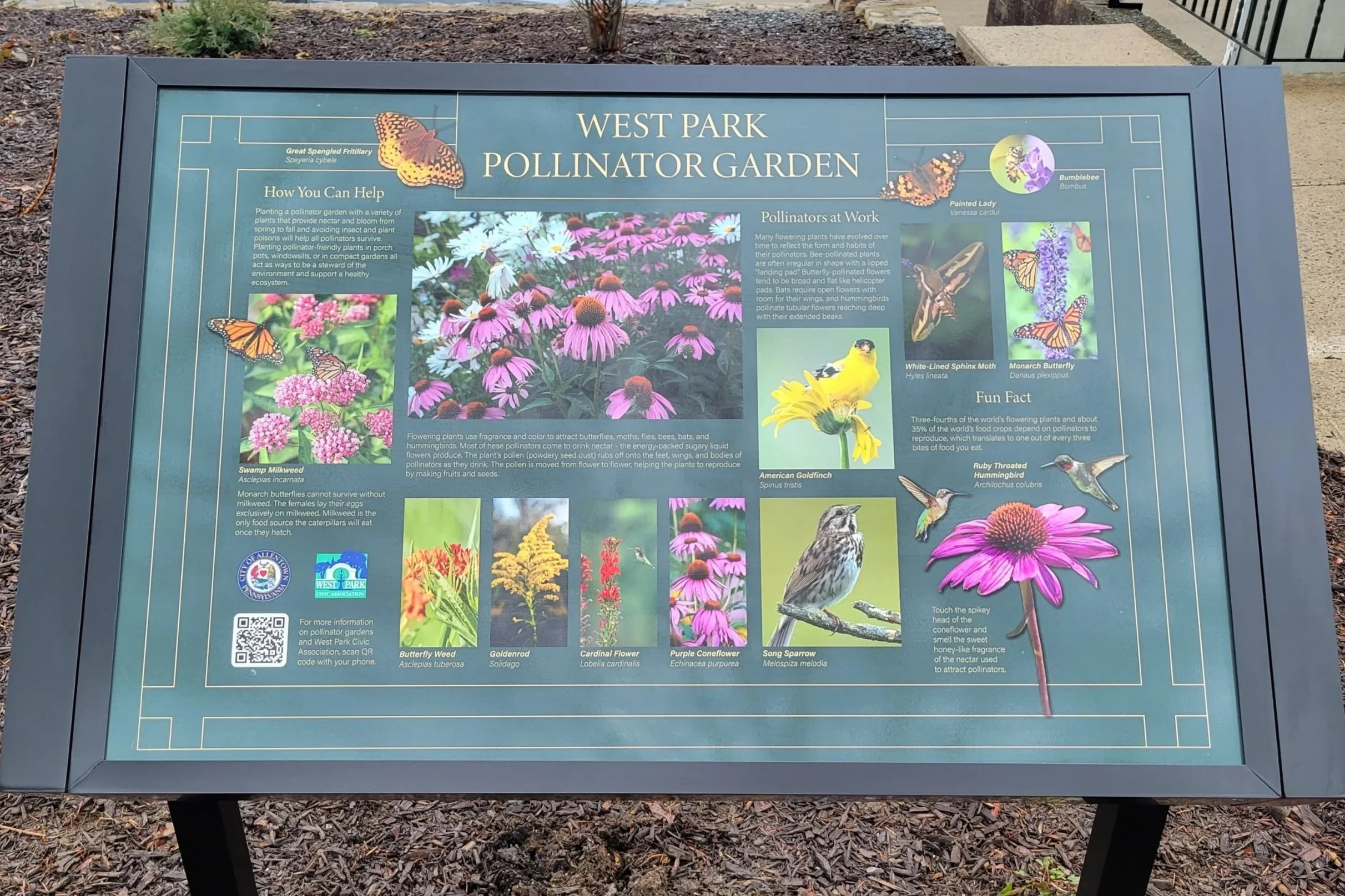
Why this matters: pollinator gardens aren’t just pretty—they’re essential. Native plants provide the nectar and pollen that bees, butterflies, hummingbirds, and other pollinators depend on. Pollinators are responsible for one in every three bites of food we eat and support the reproduction of trees and flowers that stabilize soil, improve water quality, and increase urban biodiversity. Prioritizing native species means less watering, fewer pesticides, and healthier habitat that supports local wildlife year after year.
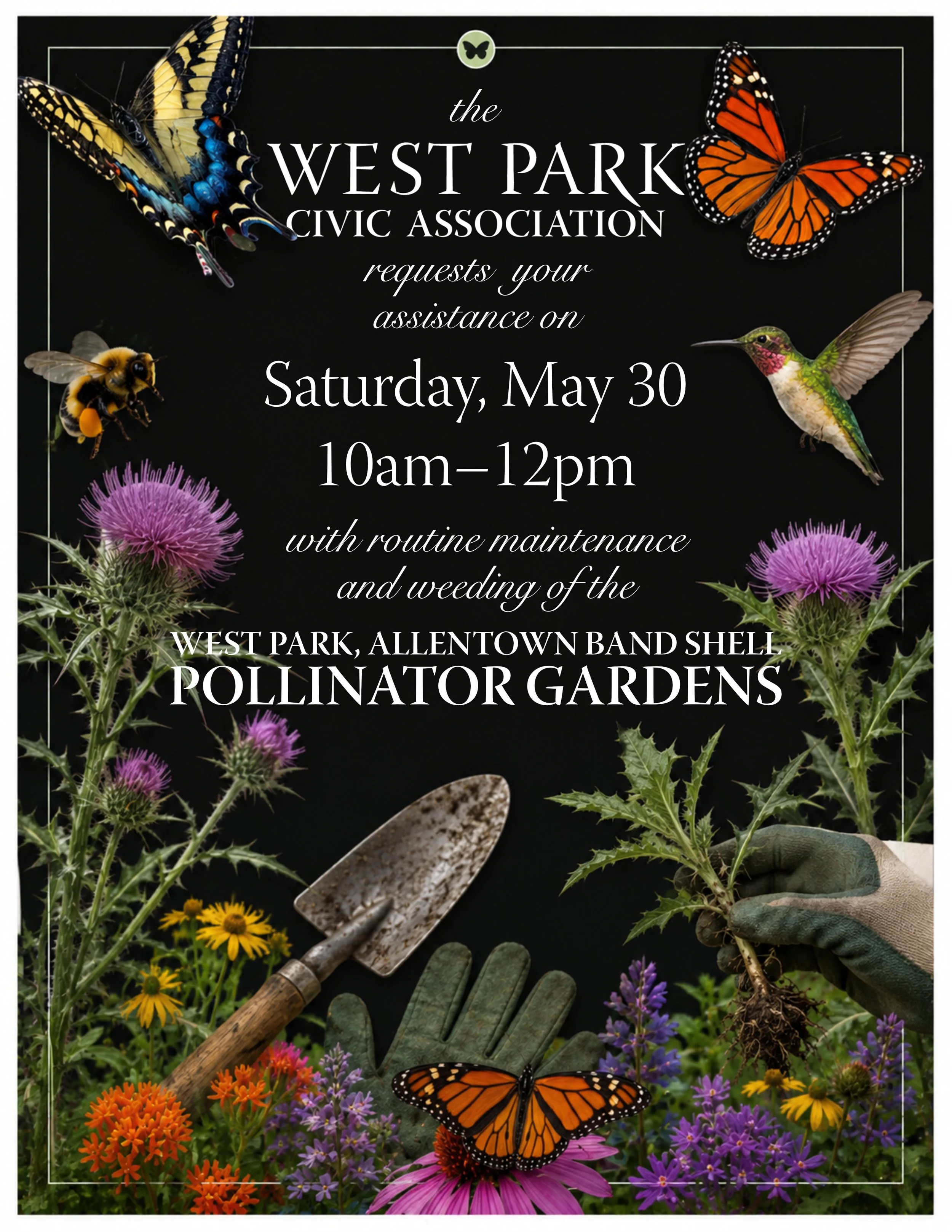
The expanded gardens create a living corridor that helps pollinators move through the park, boosts seed and fruit production for other species, and demonstrates climate-smart landscaping that reduces lawn area and the need for intensive maintenance. The project also built something equally valuable: community. Volunteers of all ages learned planting and stewardship skills, strengthened neighborhood ties, and formed a coalition ready to steward West Park’s ecosystem into the future.
Special thanks to the youth leaders whose work made the grant and the expanded planting possible: Molly Giordano, Grace McEwan, Kiara Larrama, Julius Ayala, Charles Bond, Oliver Bond, Charlie Detweiler, Livia Pizzini, Ana Ortiz, and Zoe Hodavance. Their initiative shows how local action—when paired with native plants and community support—can produce big benefits for nature and neighborhood alike.