Our Mission

The Canopy Committee’s mission is to preserve, maintain, restore, and perpetuate the mature tree canopy and historic specimen collection of West Park in Allentown as an essential public good, cultural heritage, and living environmental infrastructure for the City of Allentown.

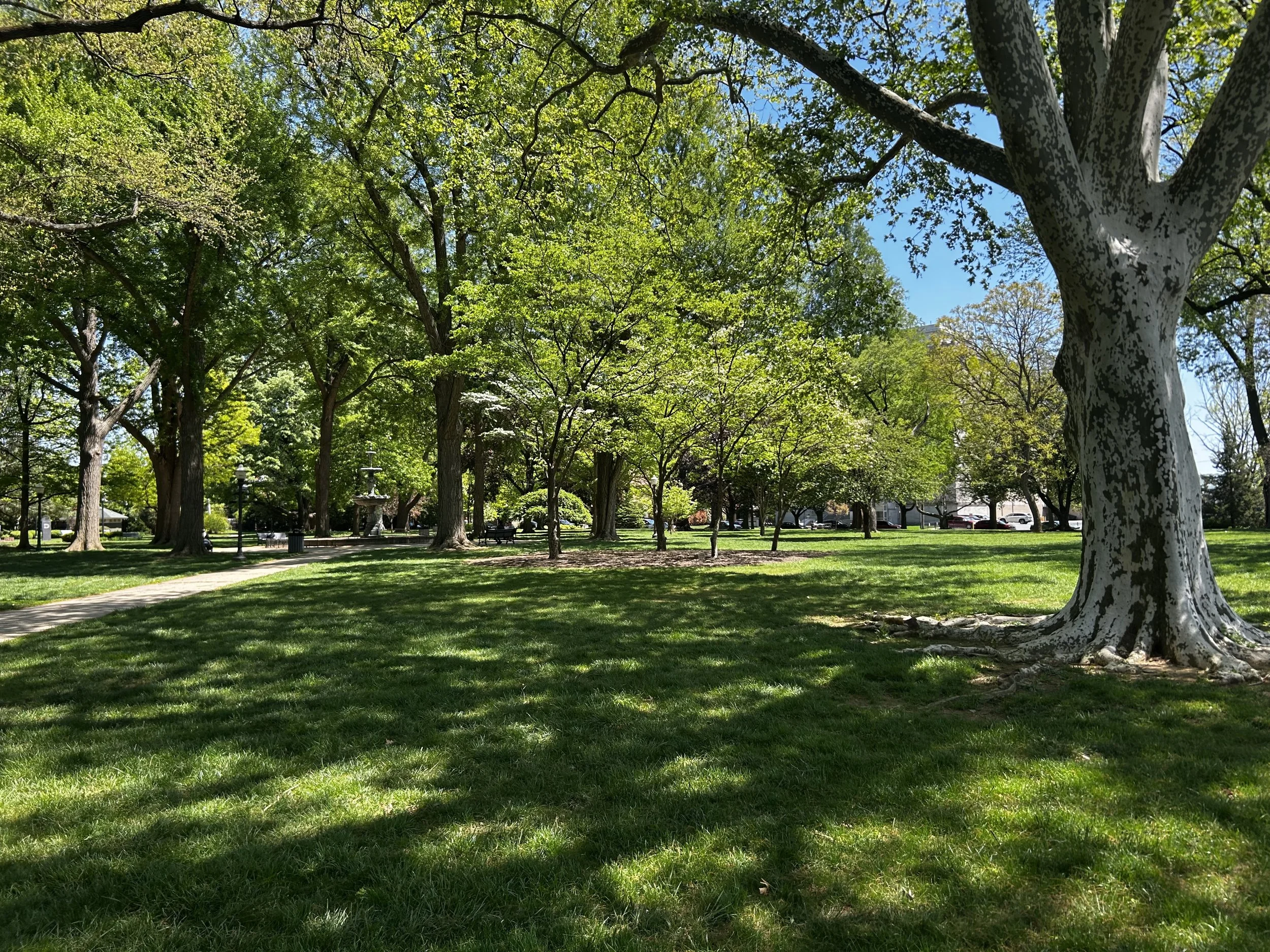
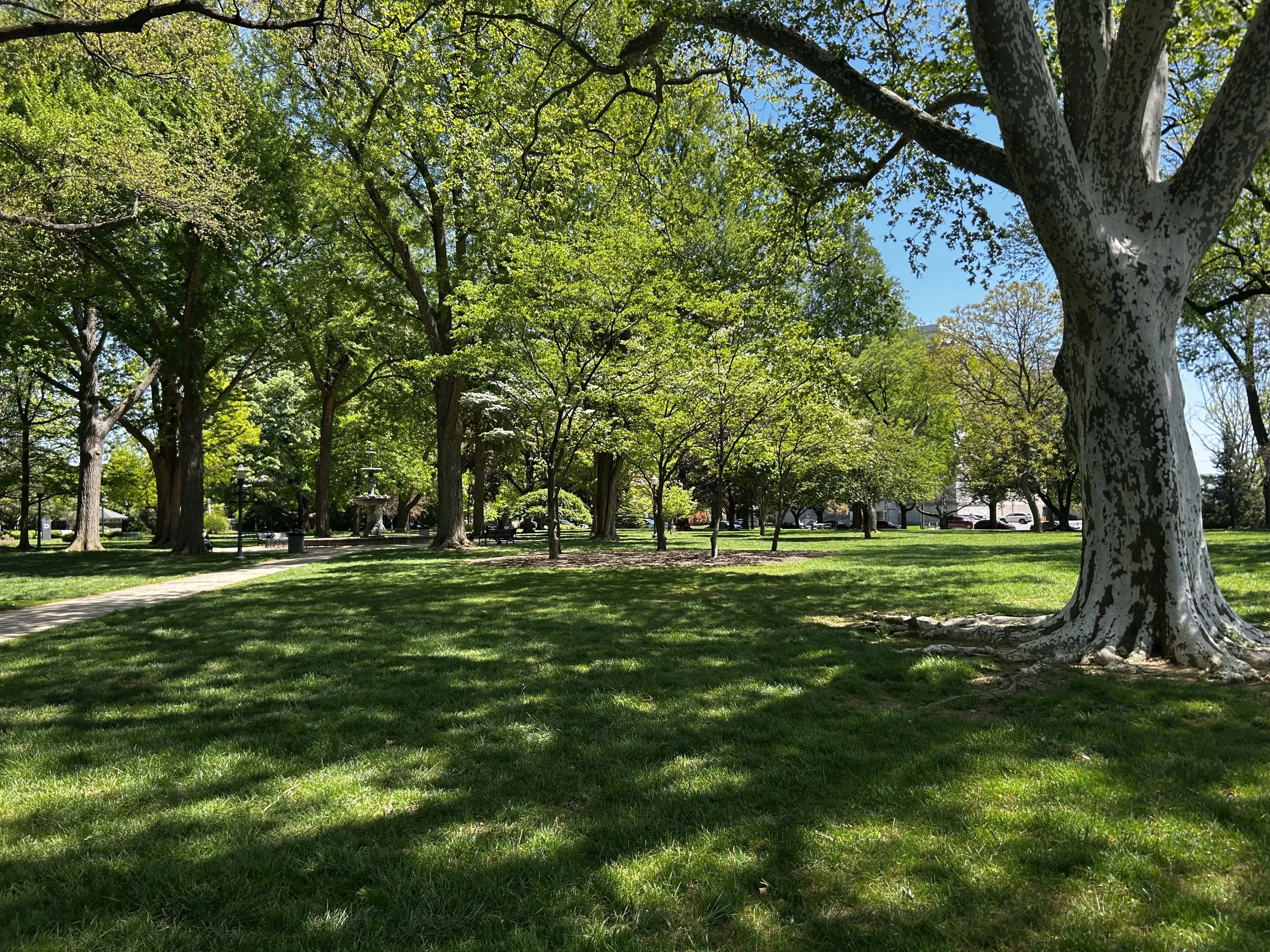
West Park was conceived as an arboretum and specimen park during the Progressive Era, when Allentown was participating in the emerging City Beautiful movement and in a broader national effort to bring order, beauty, public health, conservation, and civic improvement into rapidly industrializing American cities. A fact indicated by the City's current 2025 Comprehensive Recreation & Park Plan.

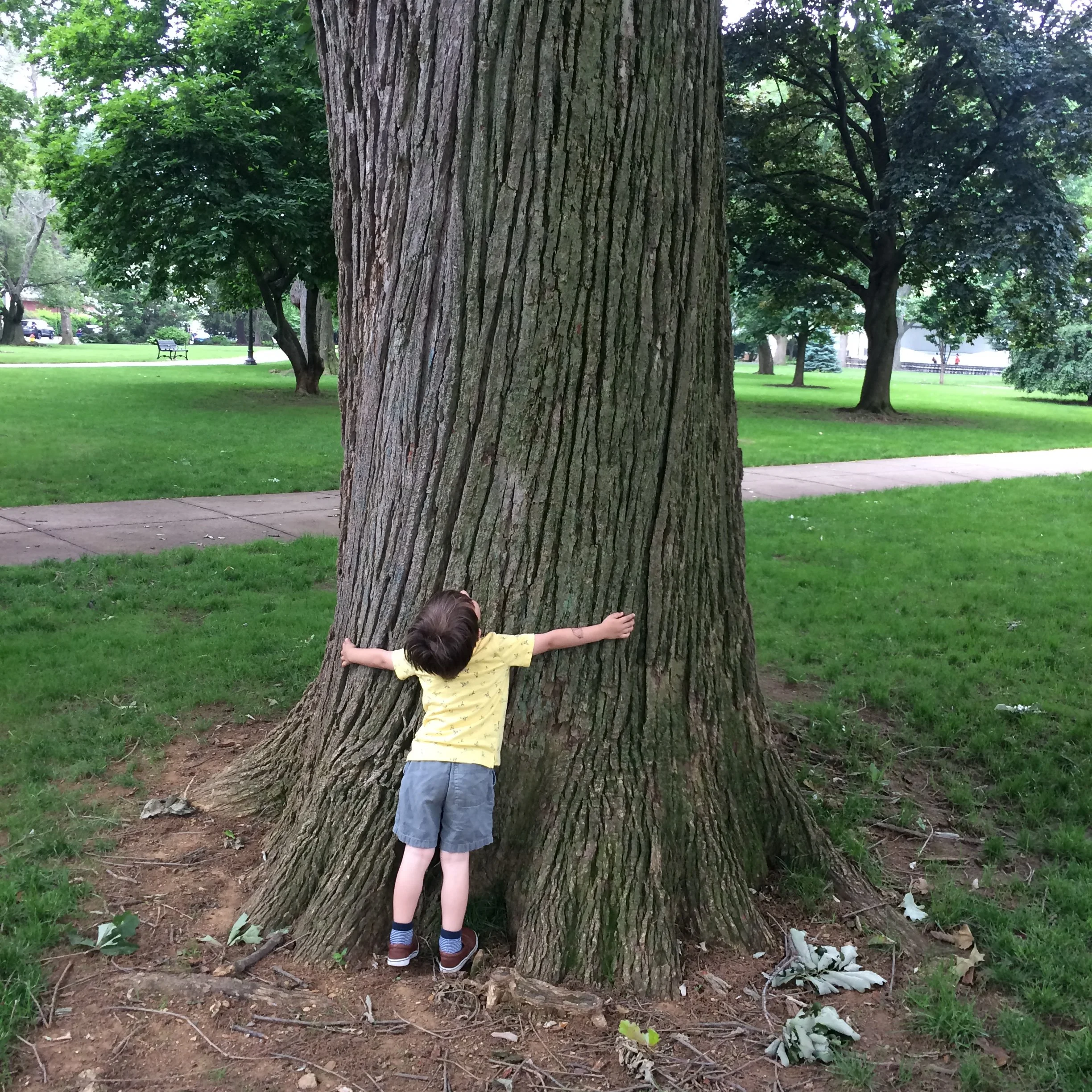
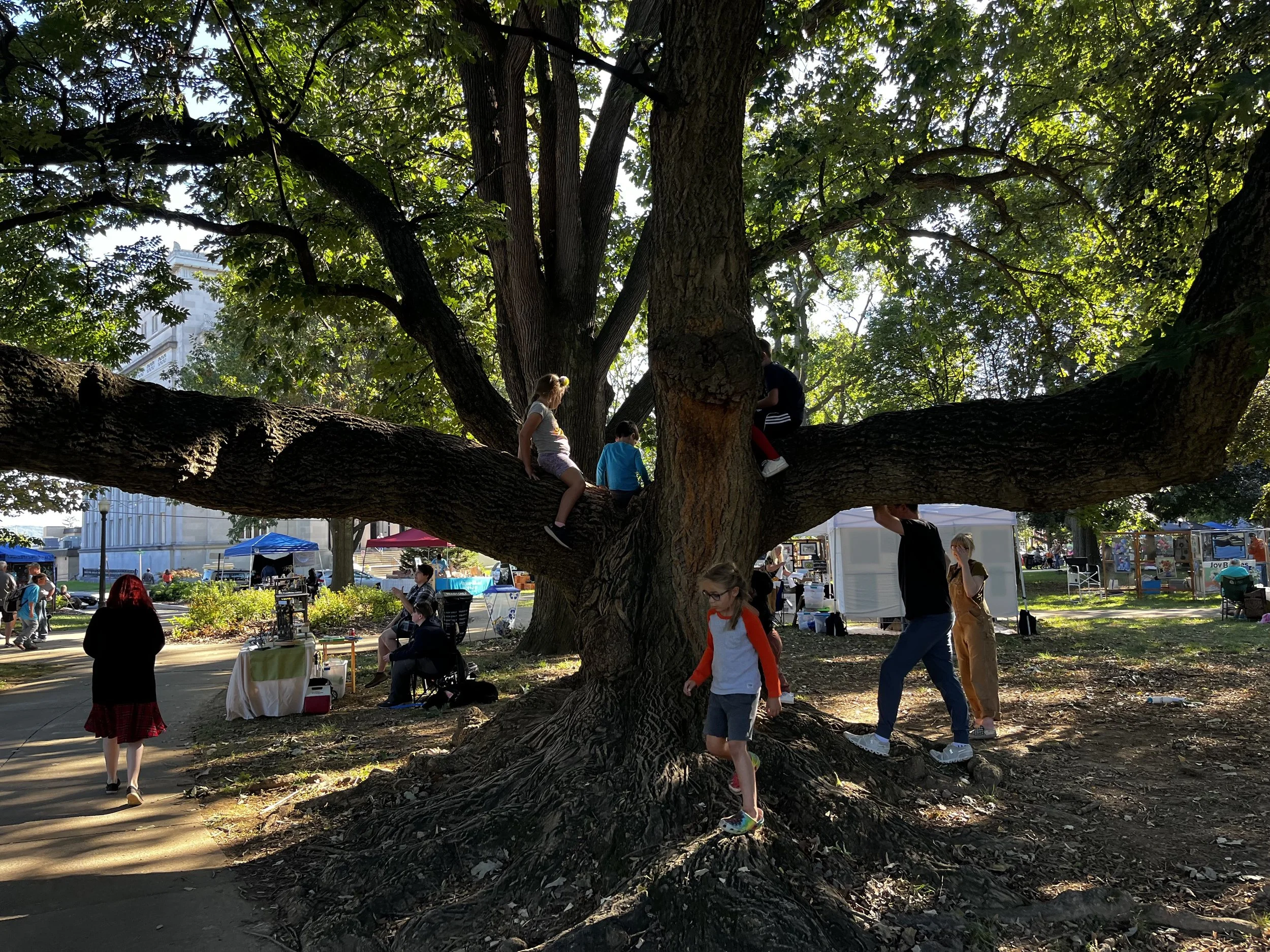
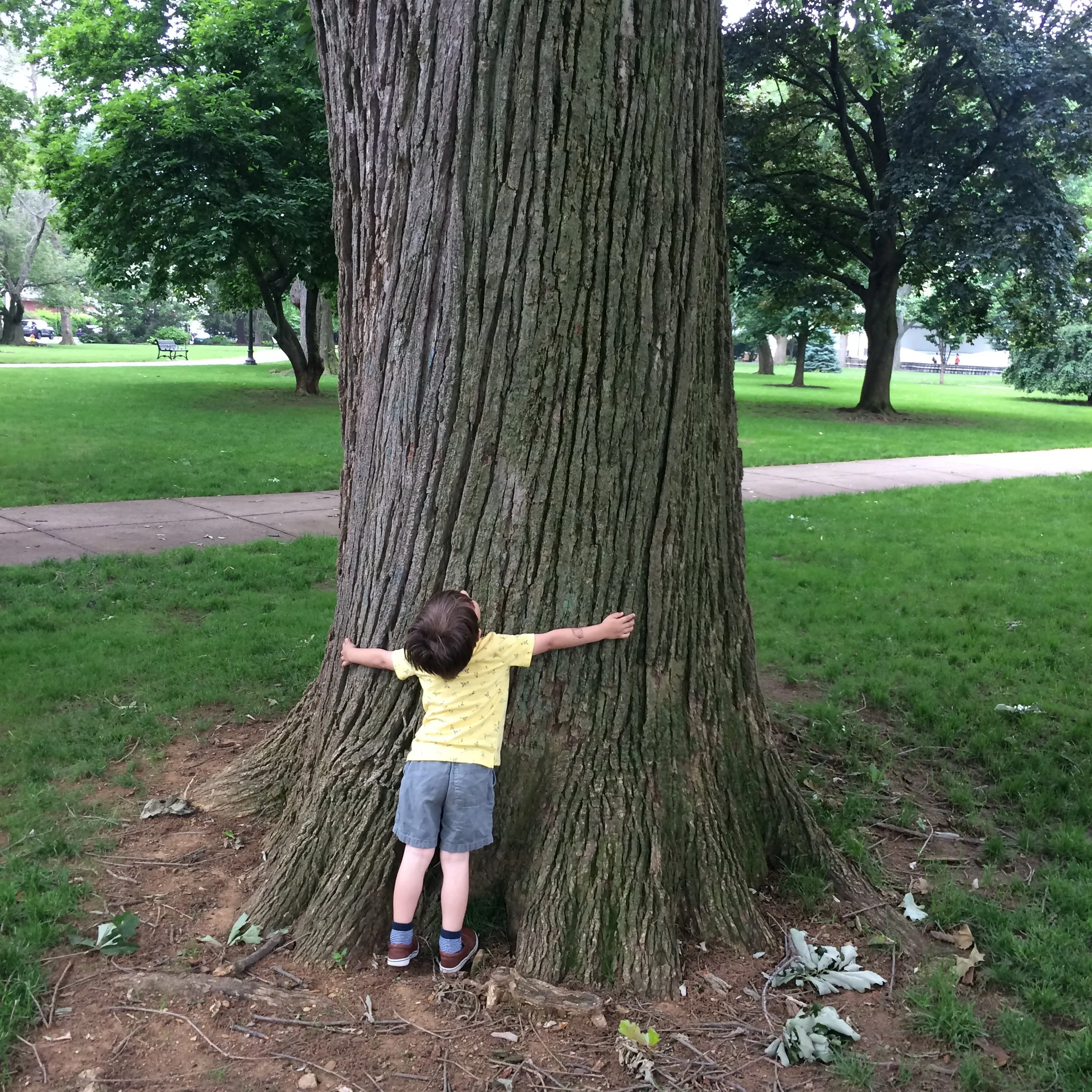
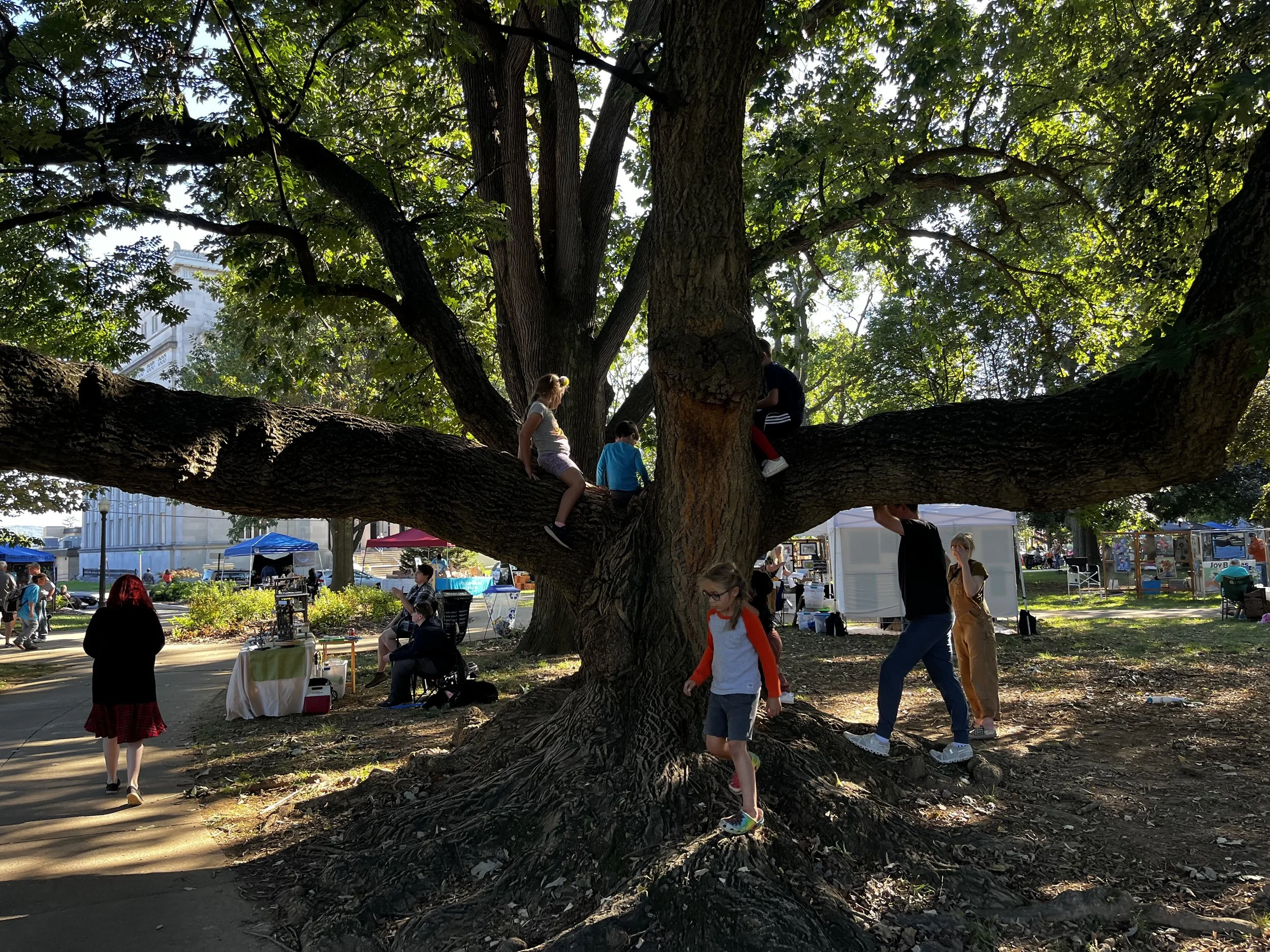
The survival of so much of the original specimen planting makes West Park an unusually valuable integrated landscape, its trees are therefore not interchangeable or disposable elements. They constitute a living historic collection whose individual specimens, species diversity, mature scale, spatial relationships, and canopy structure are part of the park's character-defining features. These features and this character should be studiously maintained and restored as necessary.

The WPCA seeks to work with the City, professional arborists and urban foresters, horticultural specialists, nurseries, schools, nonprofit organizations, and neighborhood residents to ensure that this living collection survives and continues to mature for another century. In that effort, we have formed a permanent committee dedicated to our neighborhood's urban forest, encompassing both the park and neighborhood street trees, that will act as an organizing and fundraising arm of the WPCA in partnership with the Parks & Recreation Department — in keeping with its Park Plan and Allentown Vision 2030 — on meeting its budgetary shortfalls and staffing constraints by building stronger partnerships with local, state, and regional agencies, non-profits, and community stakeholders.

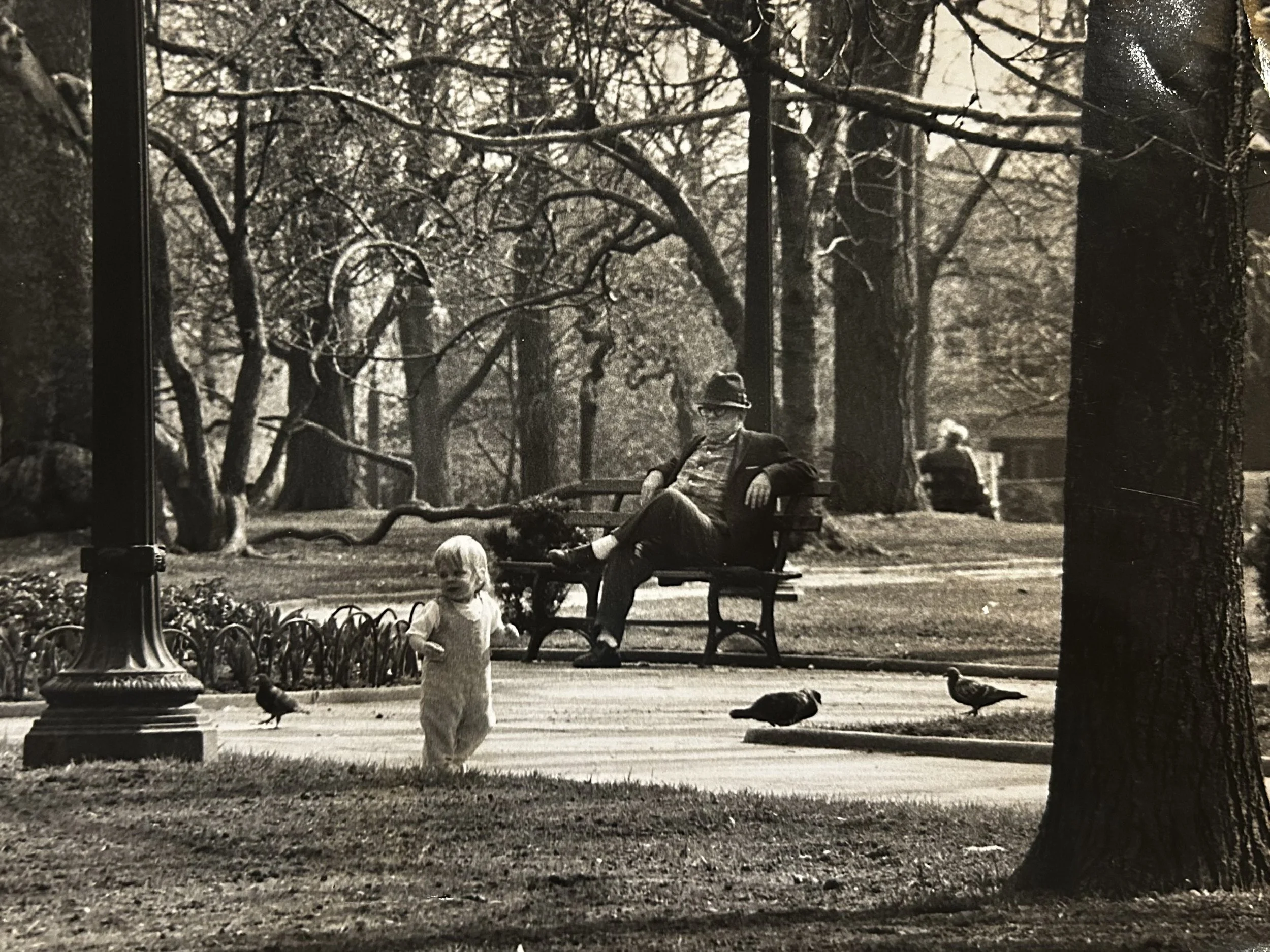
The WPCA have been active stewards of West Park's canopy and partners with the Parks Department since 1972 and have a proven record in volunteer coordination, tree planting, community event planning, grant-writing, and securing private sector expertise to meet the needs of our park while simultaneously relieving the City’s personnel and budget.

Or mail a check to 44 N. West St., Allentown, PA 18102, made out to ‘West Park Civic Association', indicating Tree Fund in the memo line.
FOR IMMEDIATE RELEASE

West Park’s 51st Art-in-the-Park a Success — WPCA Announces New Canopy Committee and Exciting Historical Discovery of Original West Park Plans

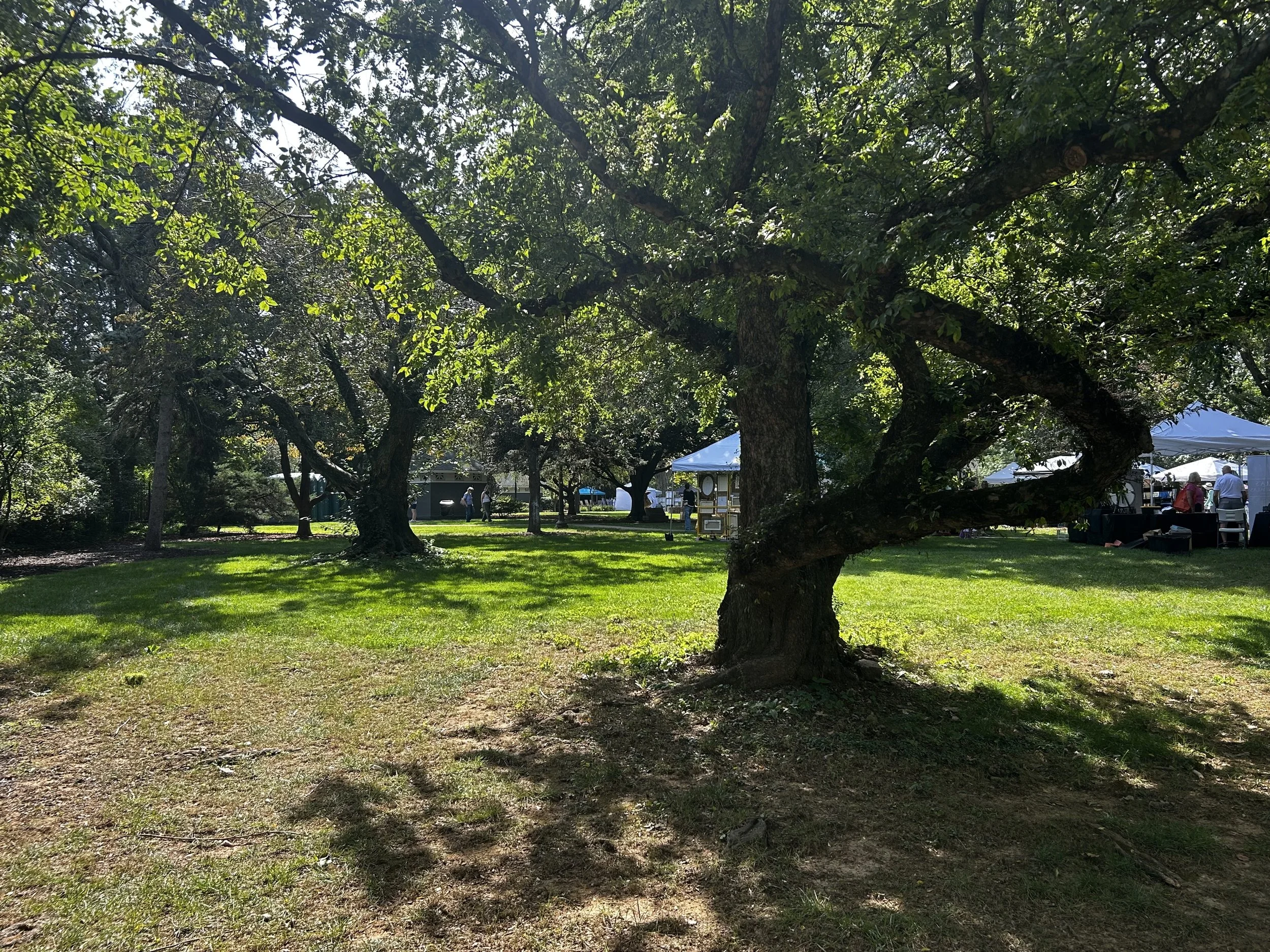
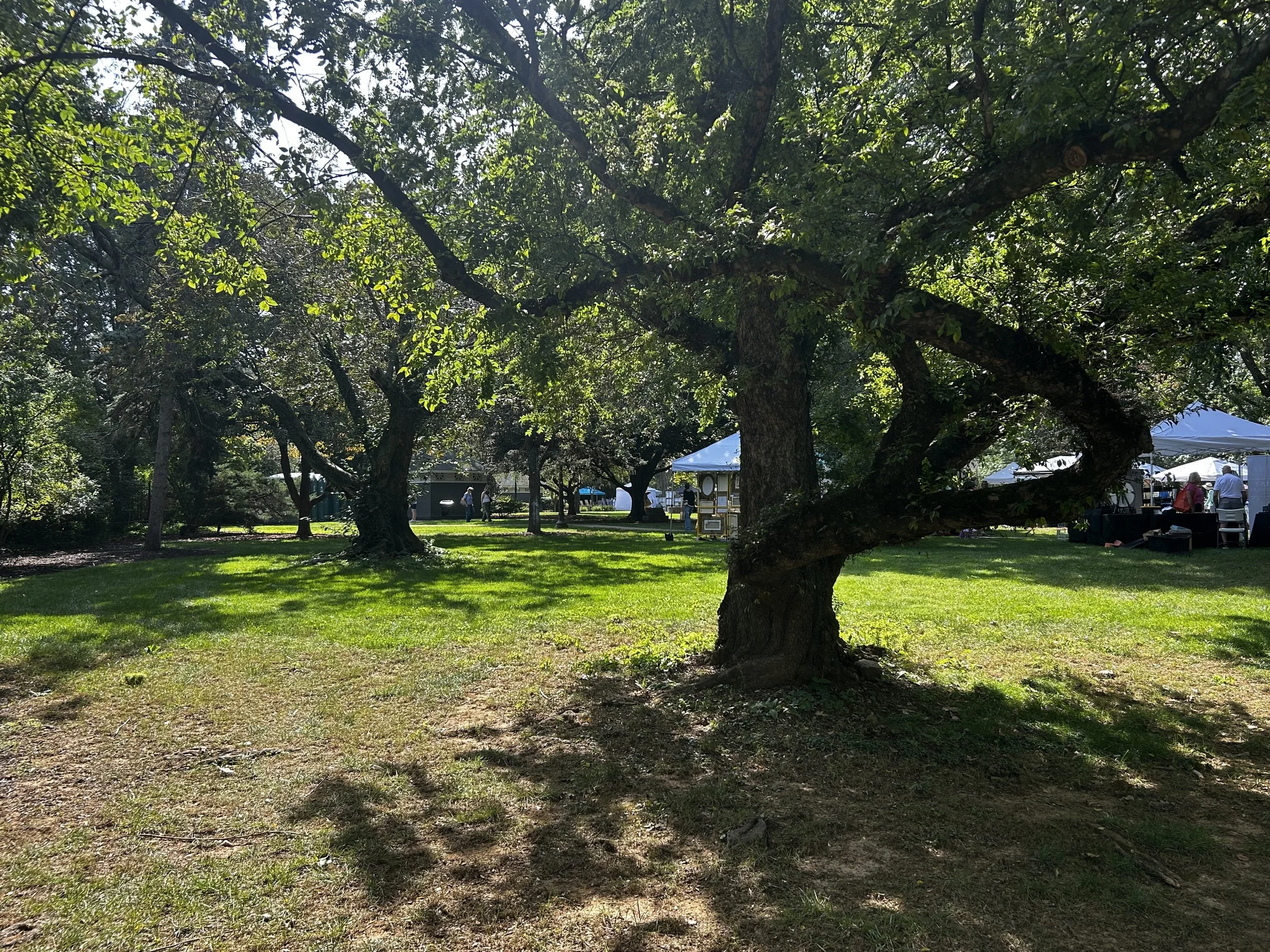
SEPTEMBER 14, 2026 ALLENTOWN, PA — This past Saturday, the West Park Civic Association hosted the 51st annual Art-in-the-Park in Allentown's very first public park — an event that keeps drawing bigger crowds to the neighborhood every year.

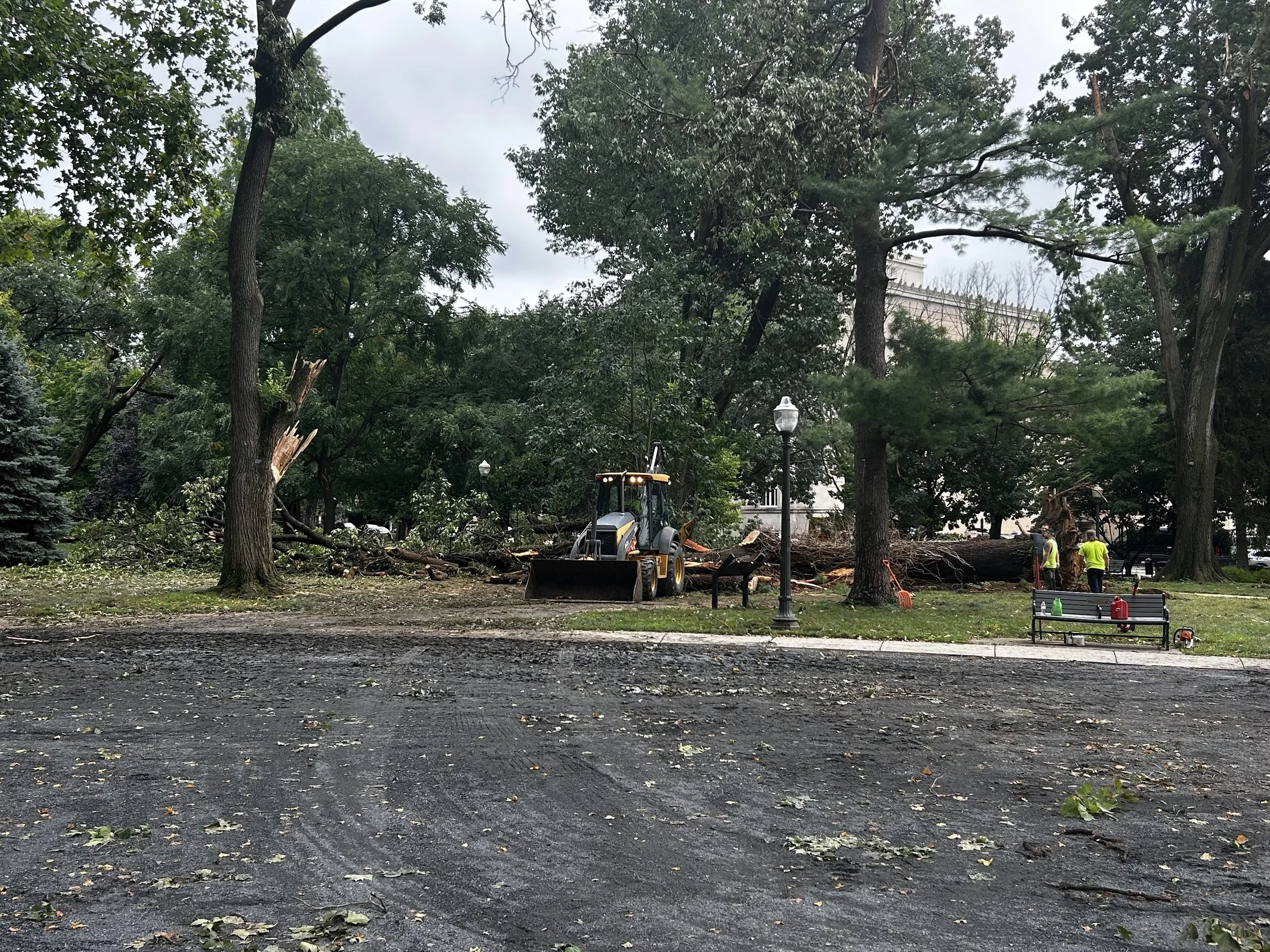
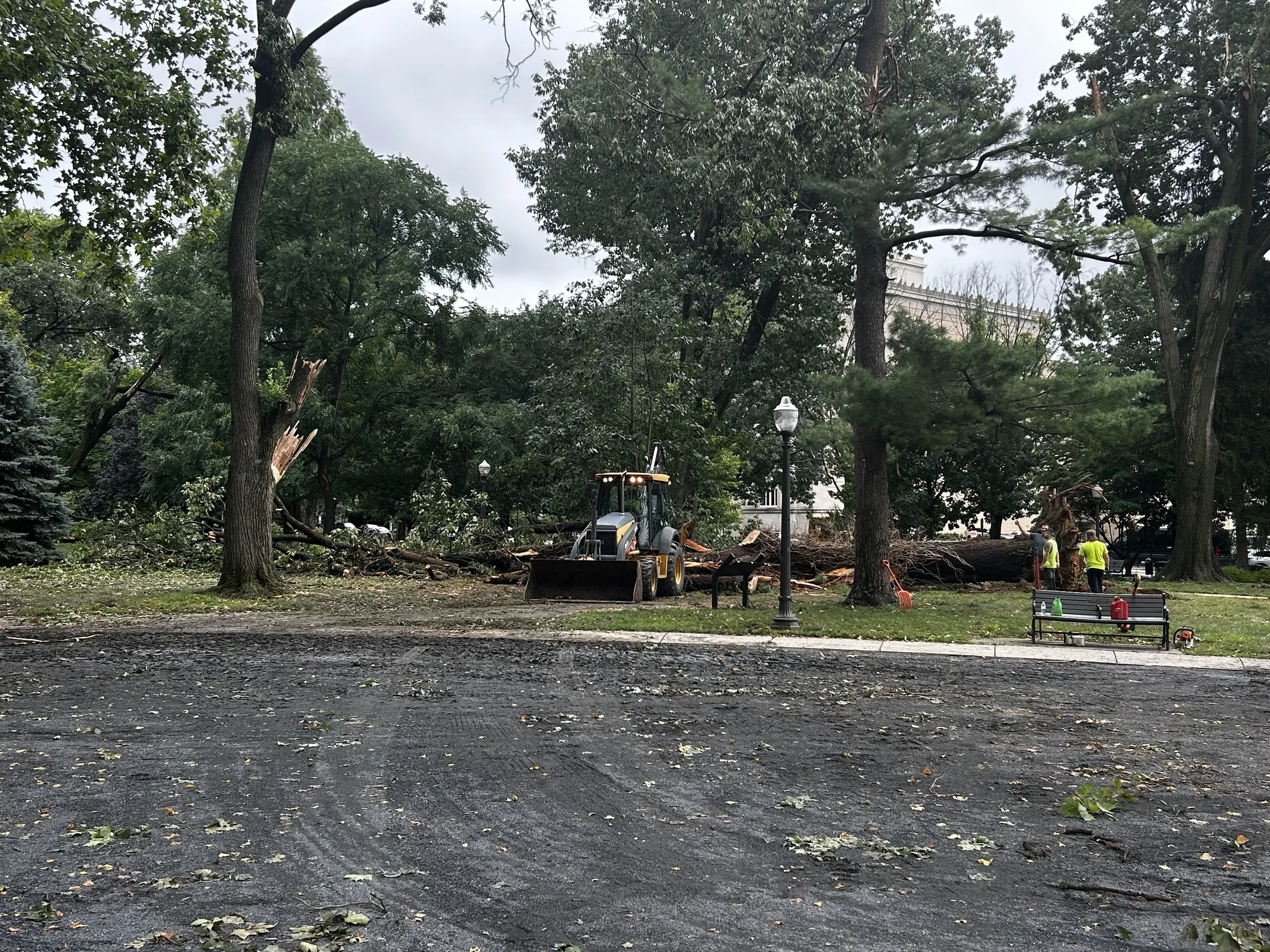
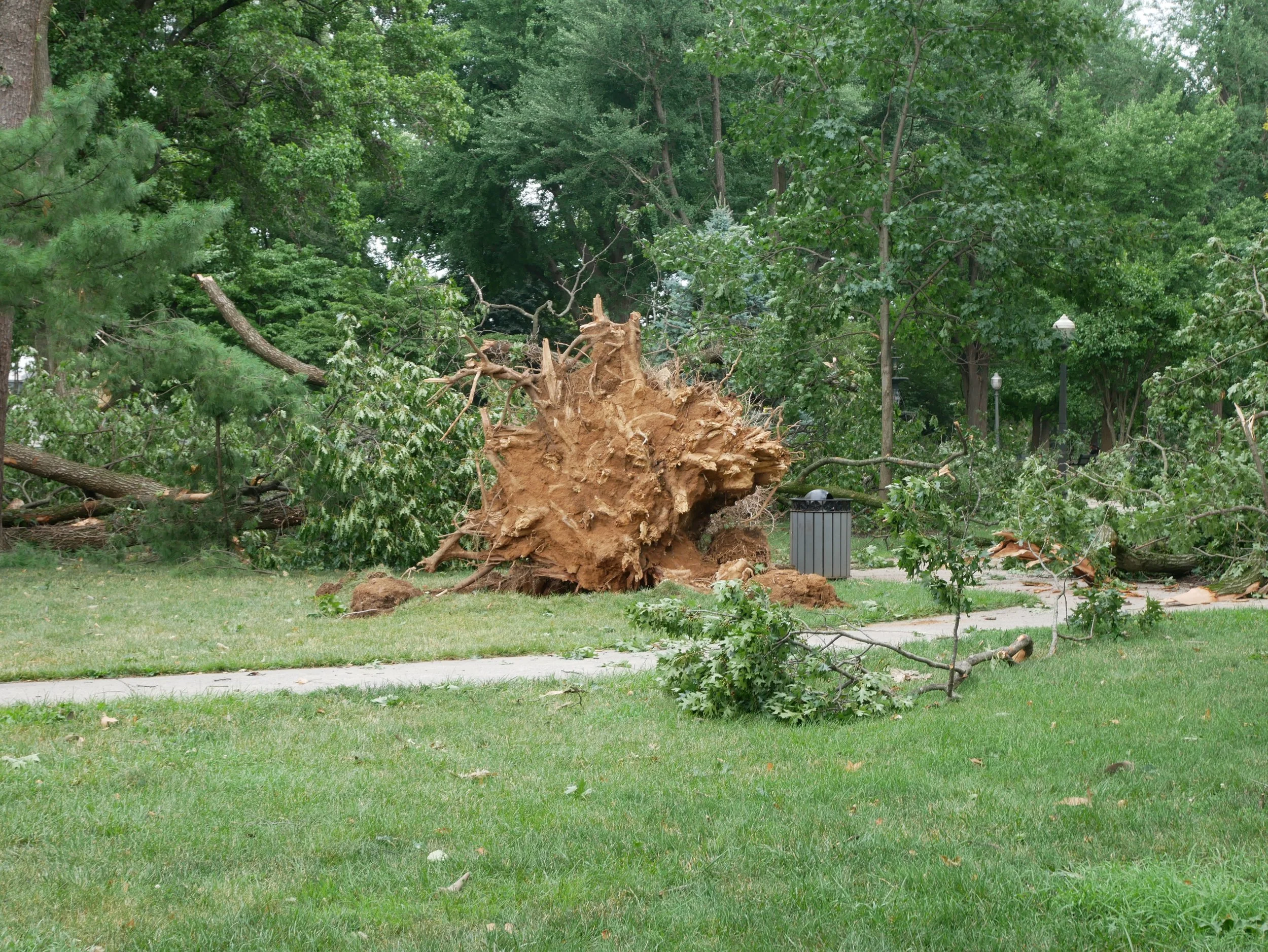
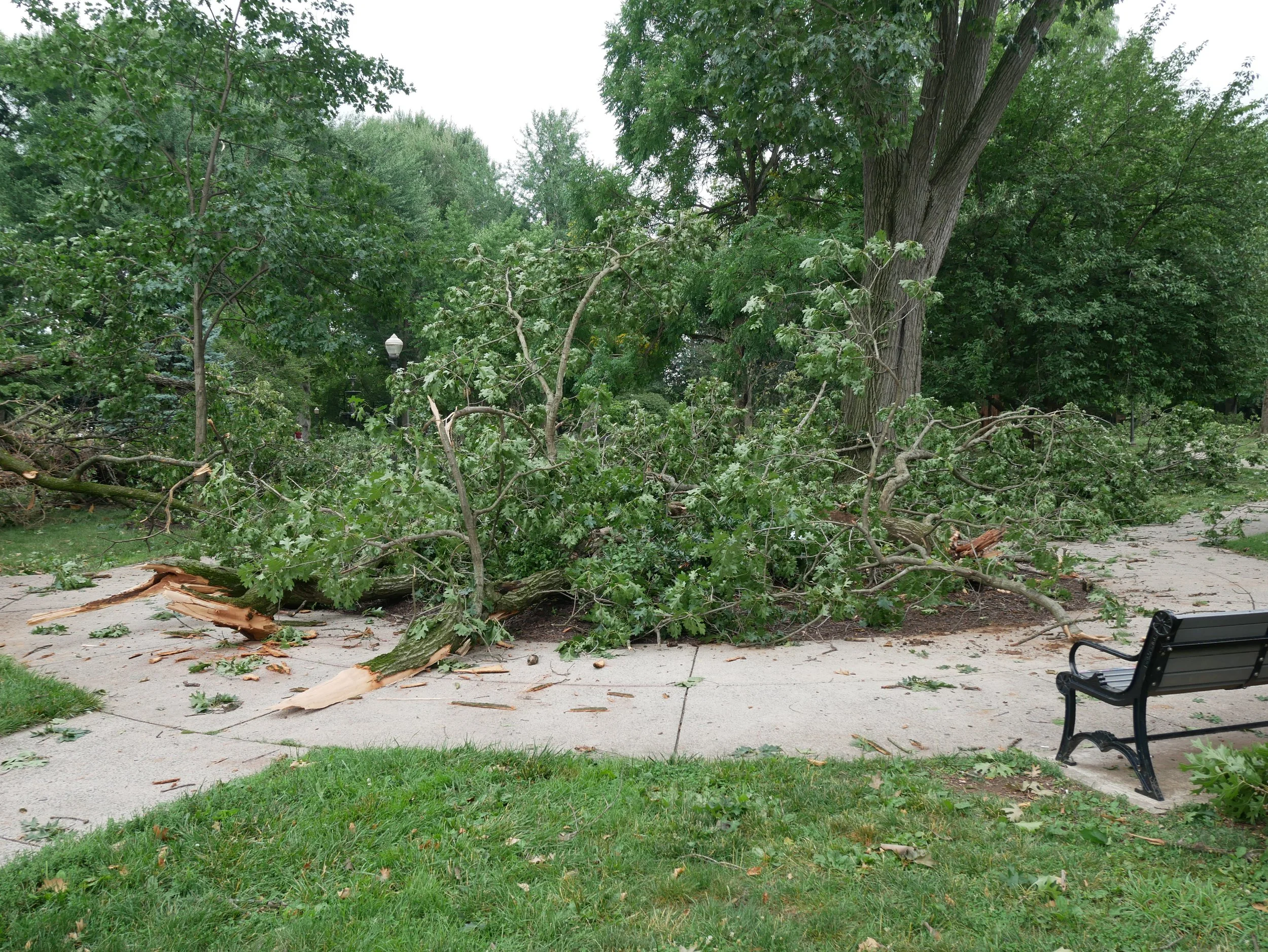
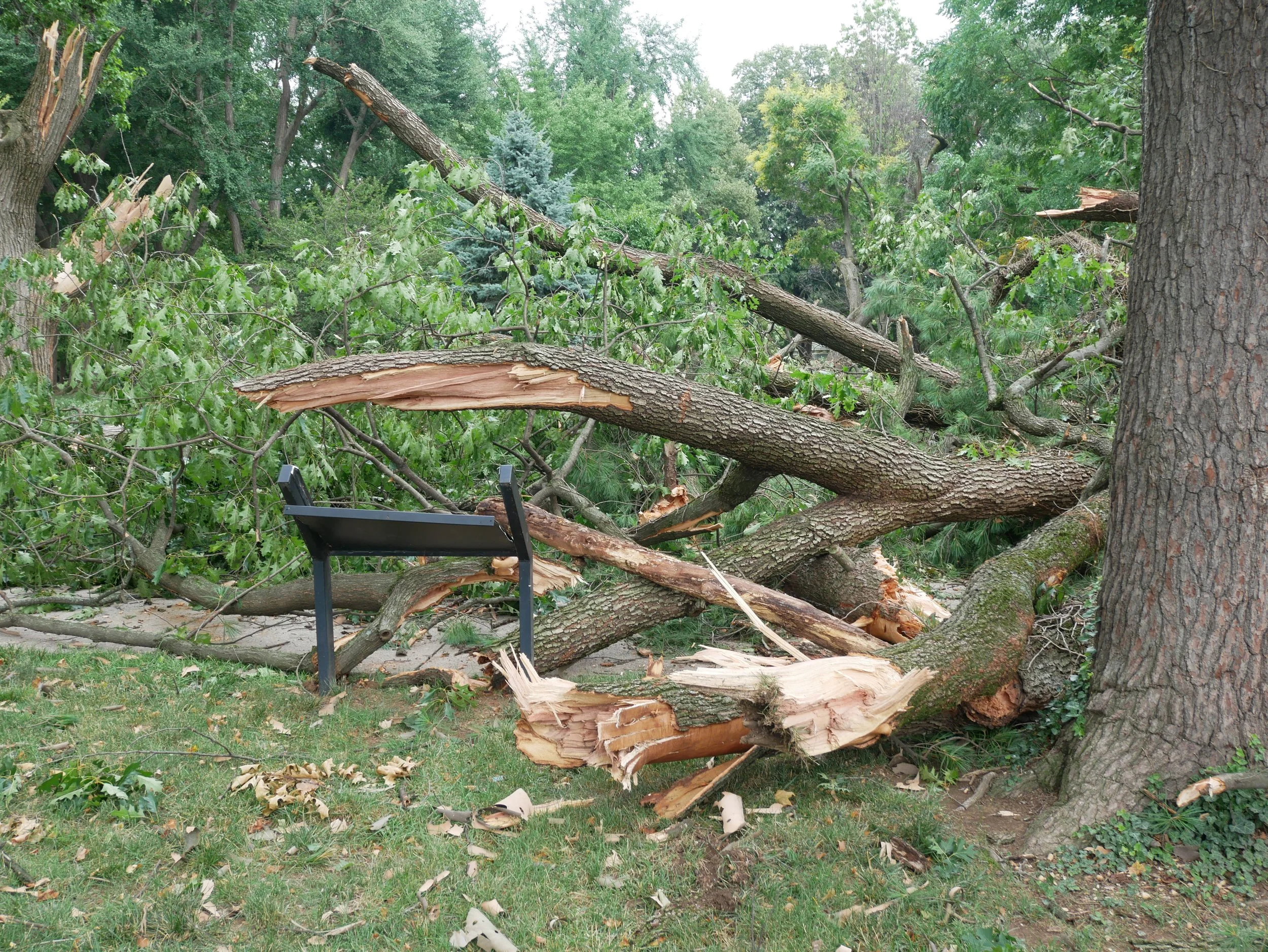
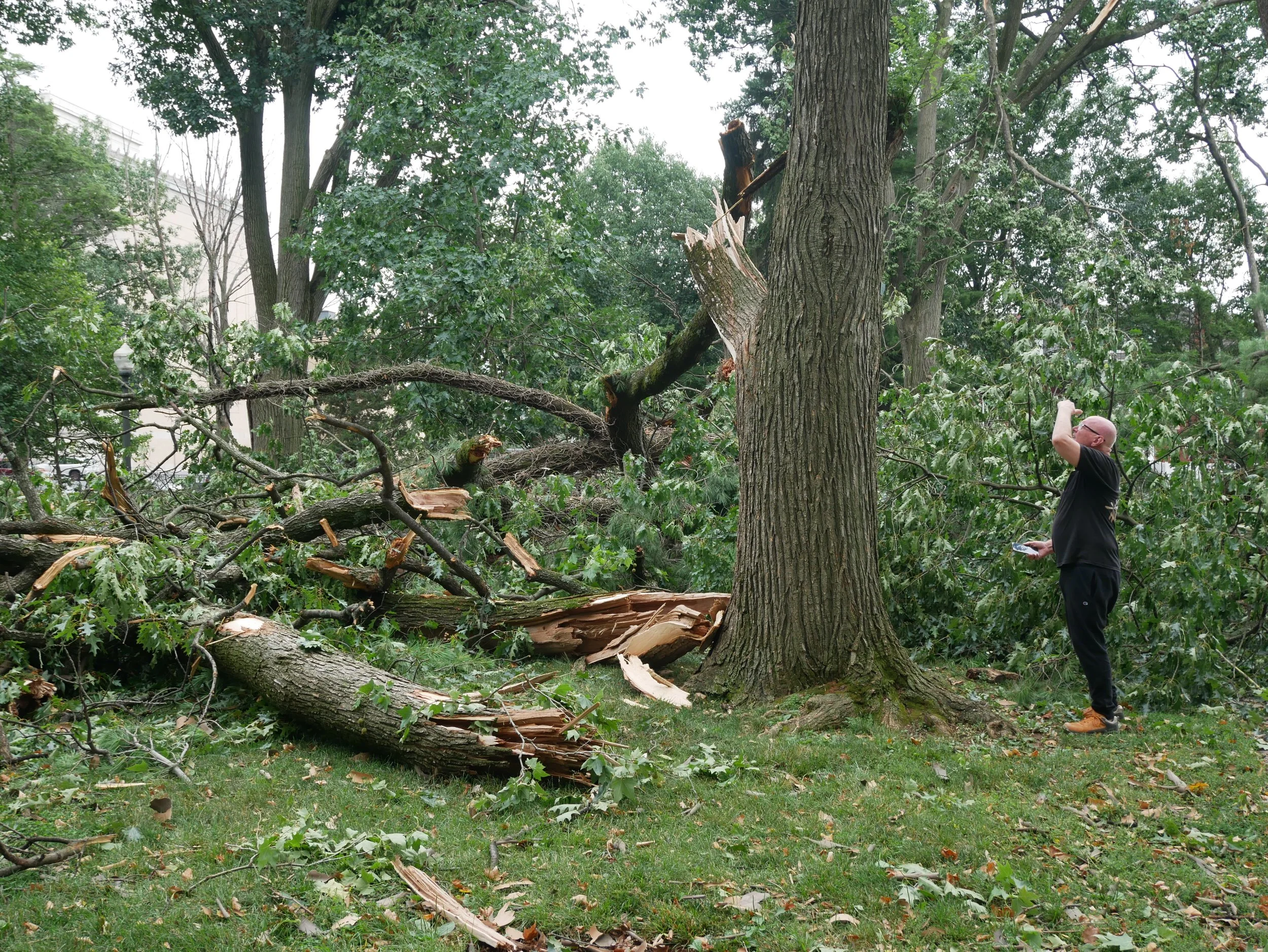
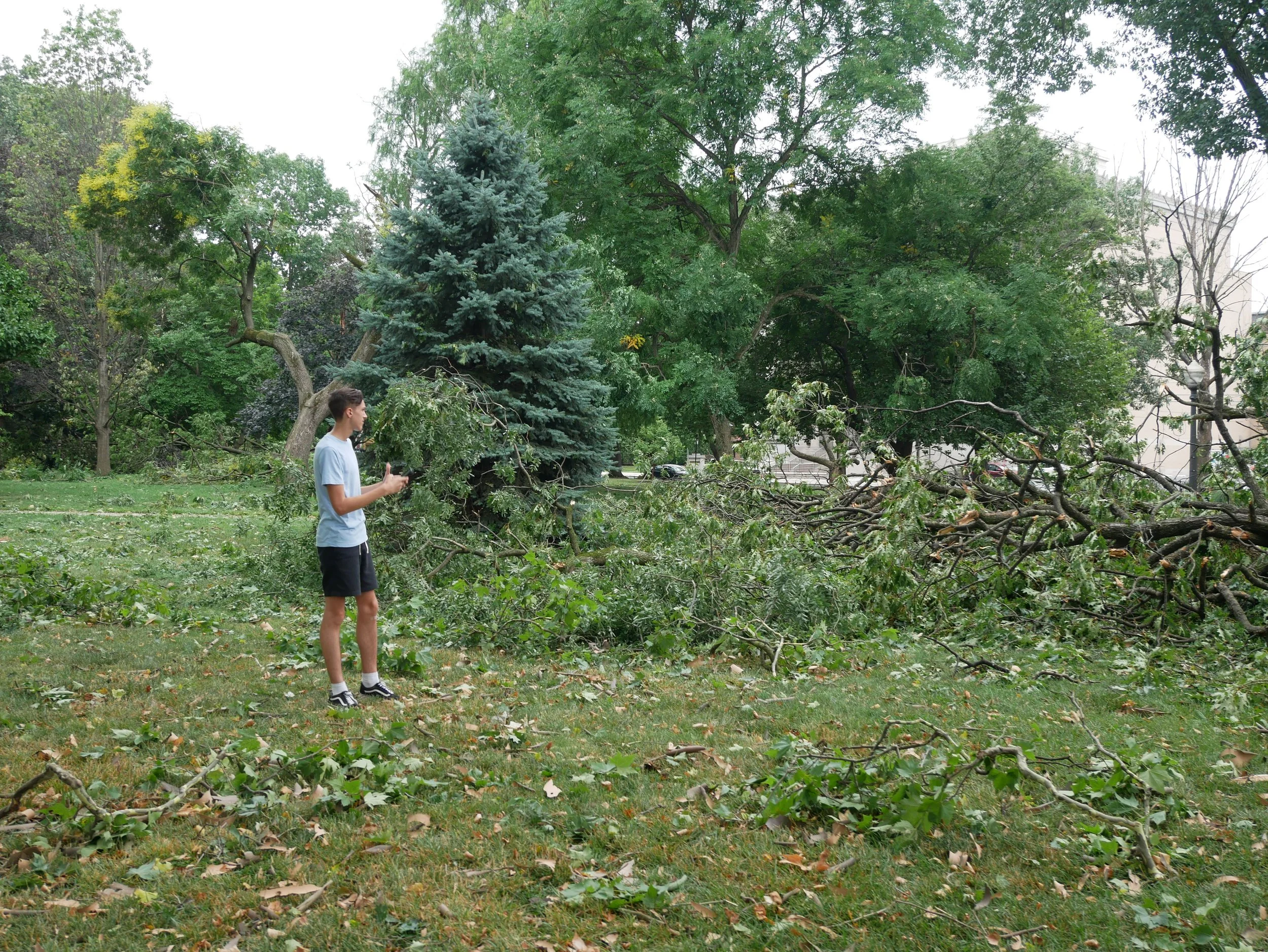
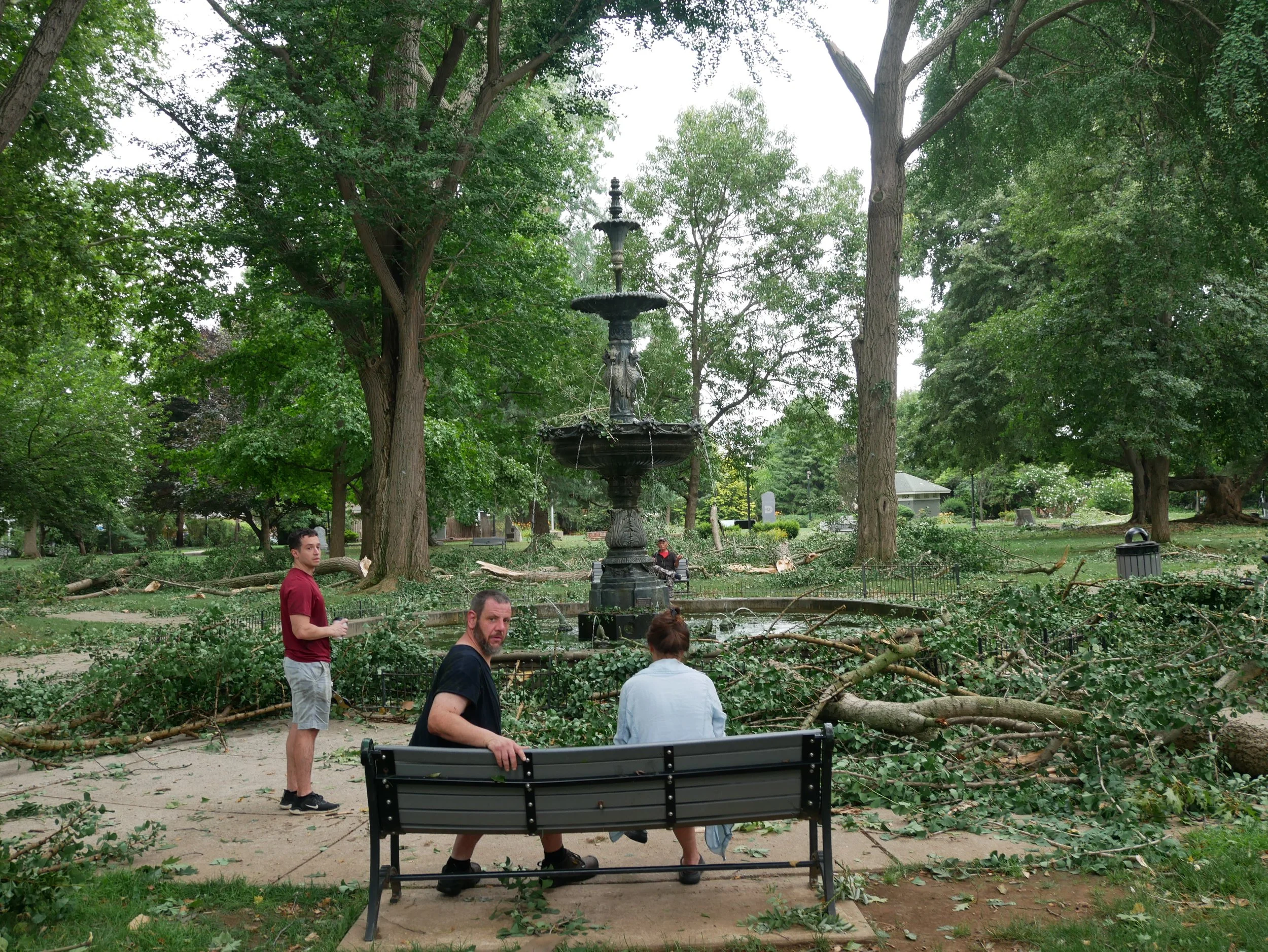
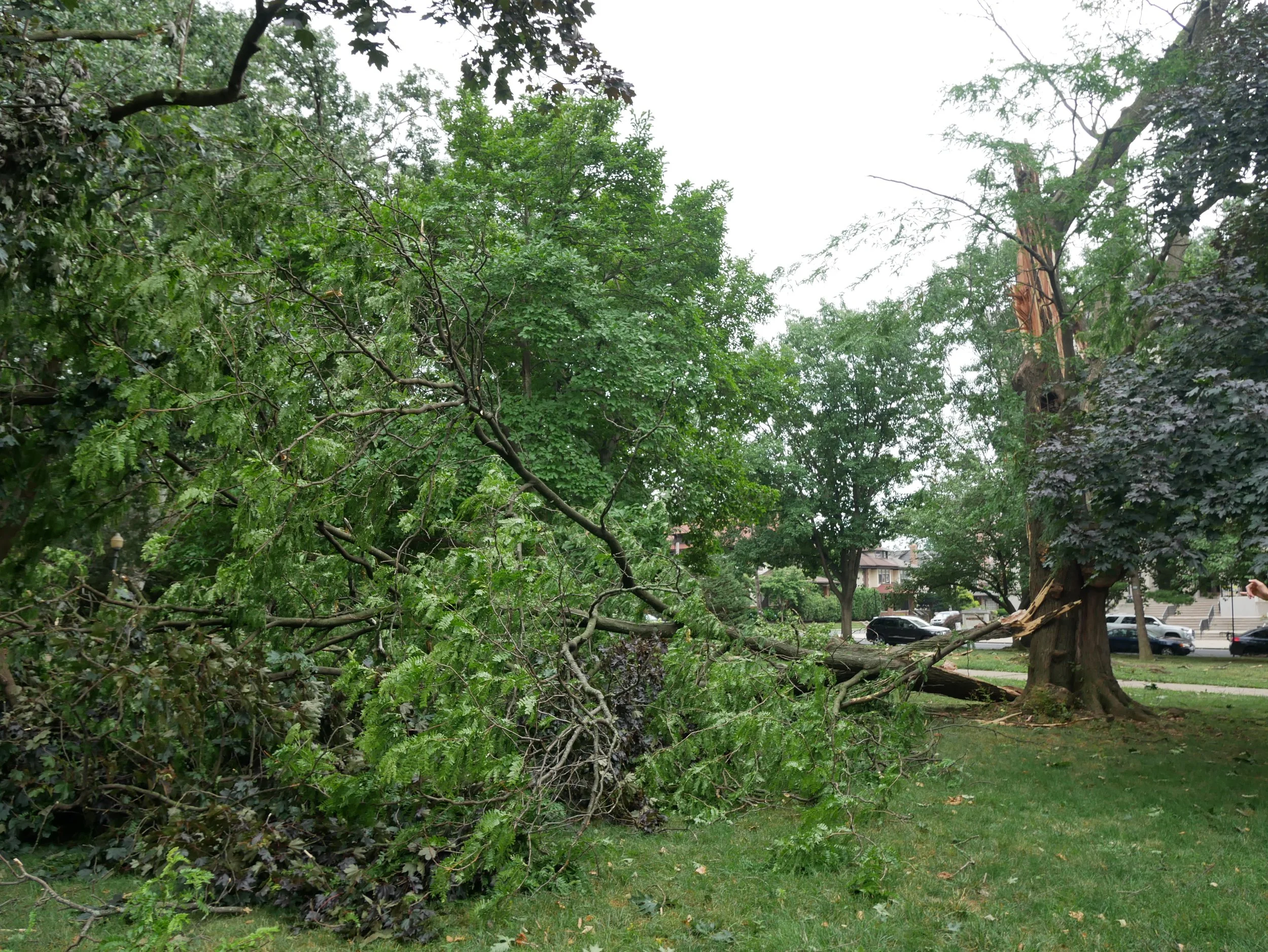
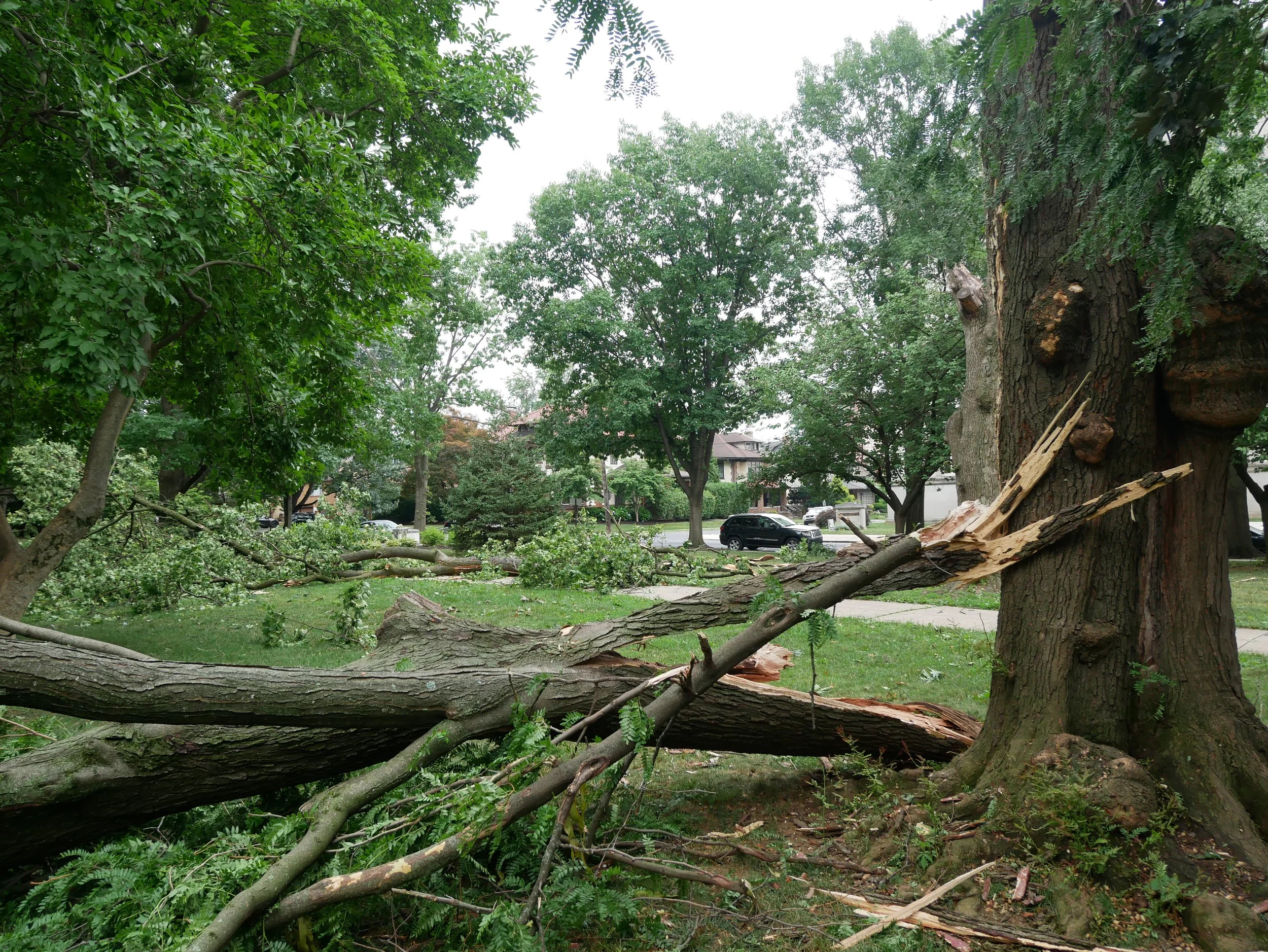
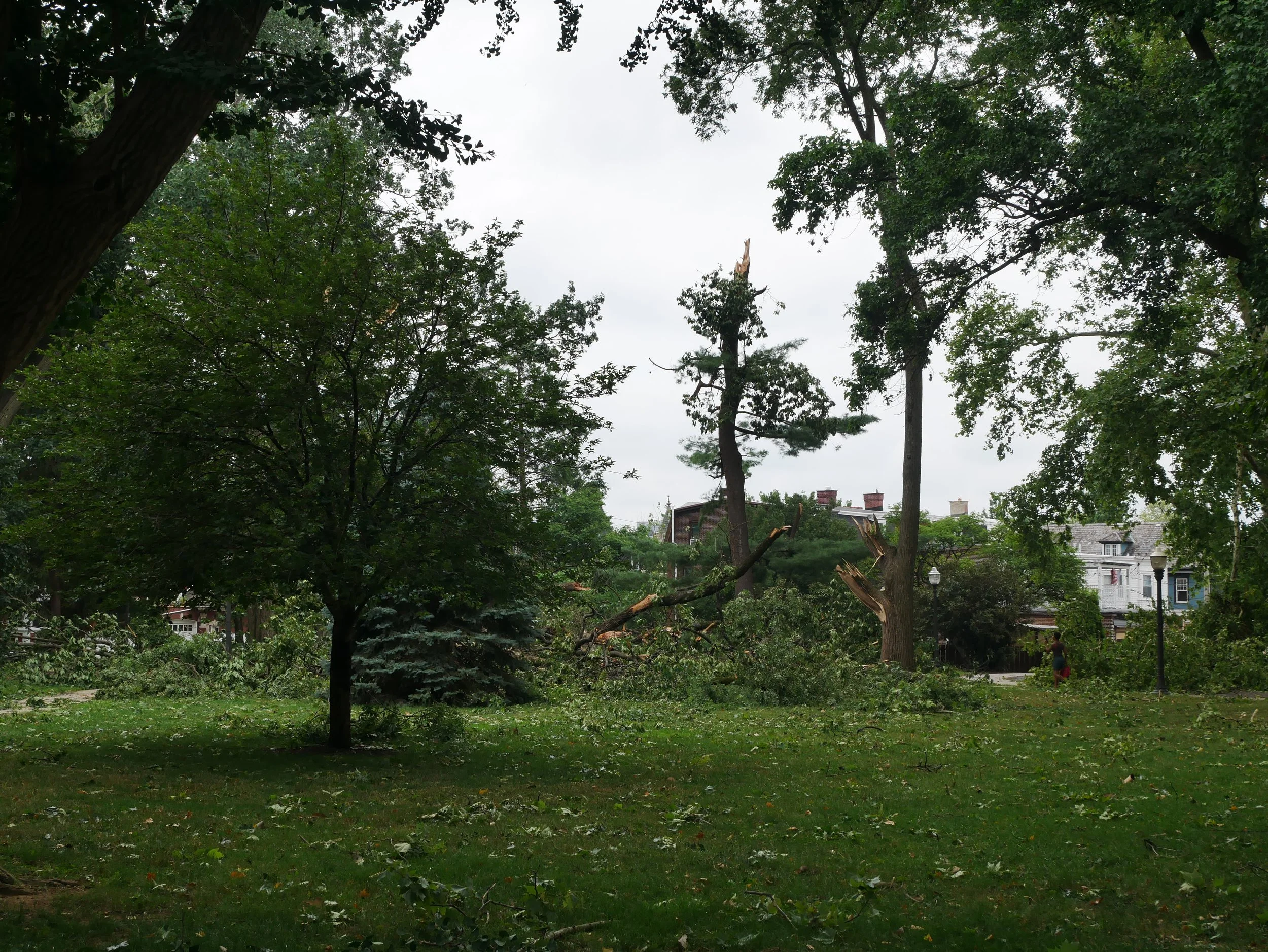
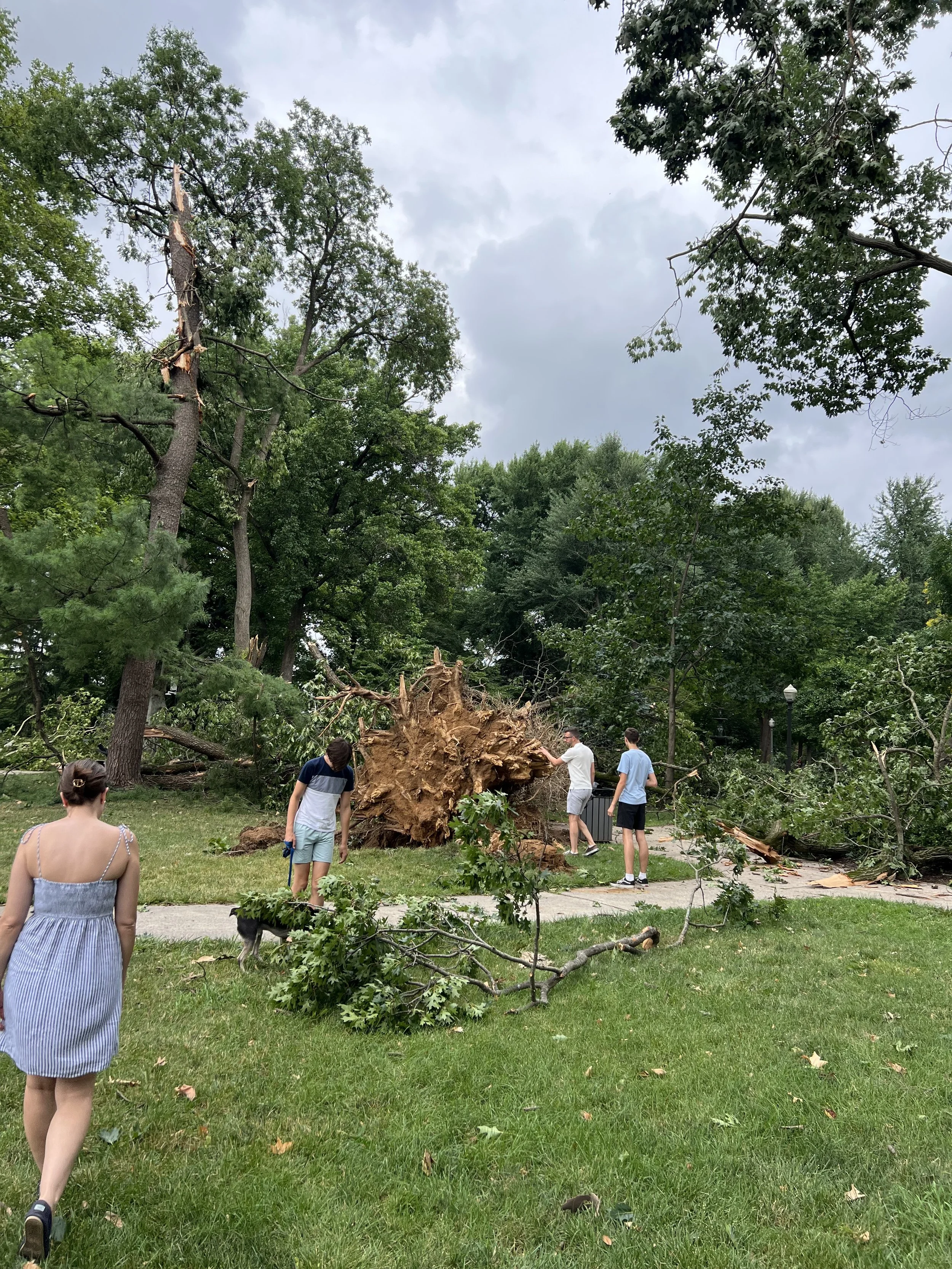
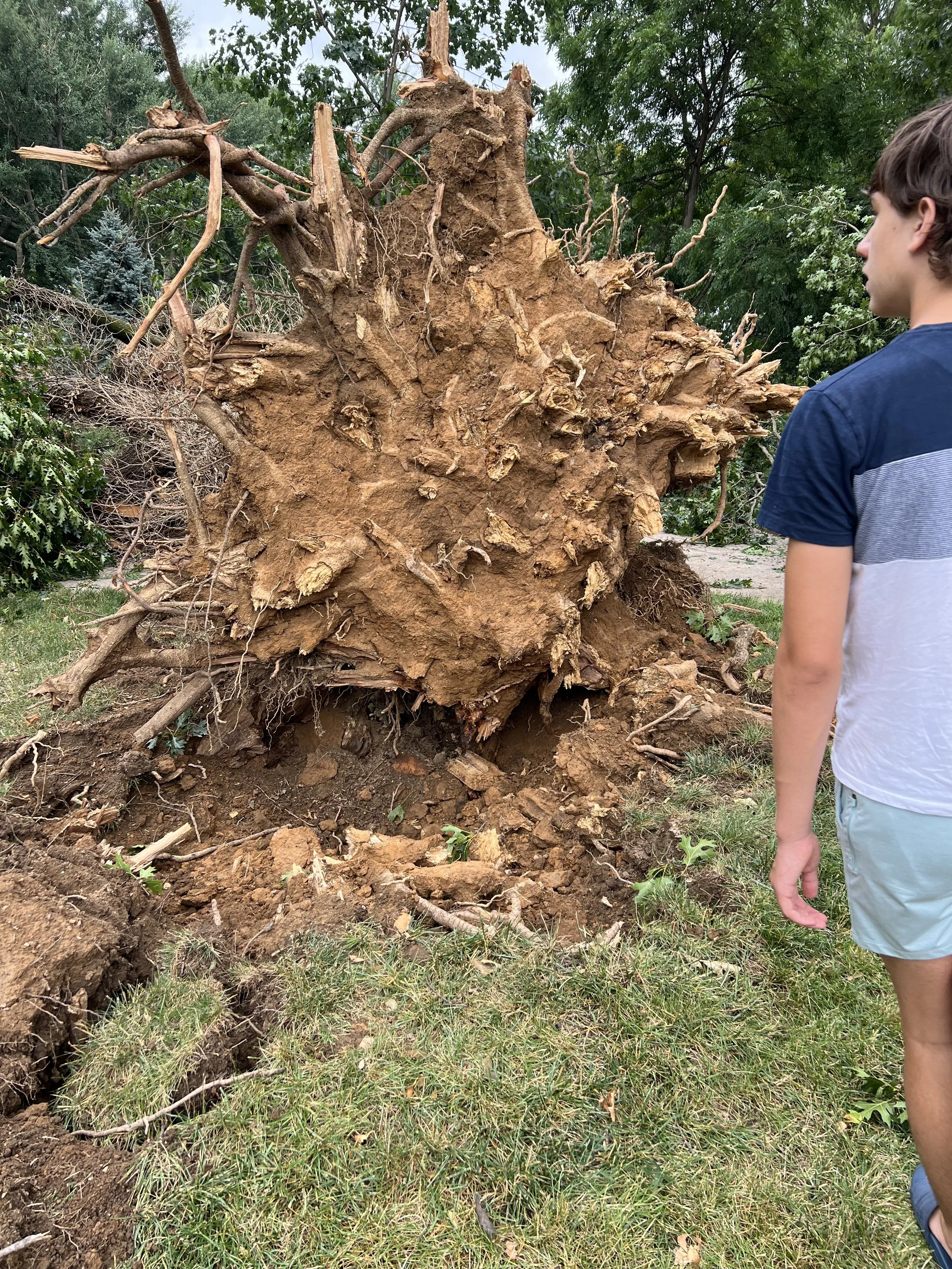
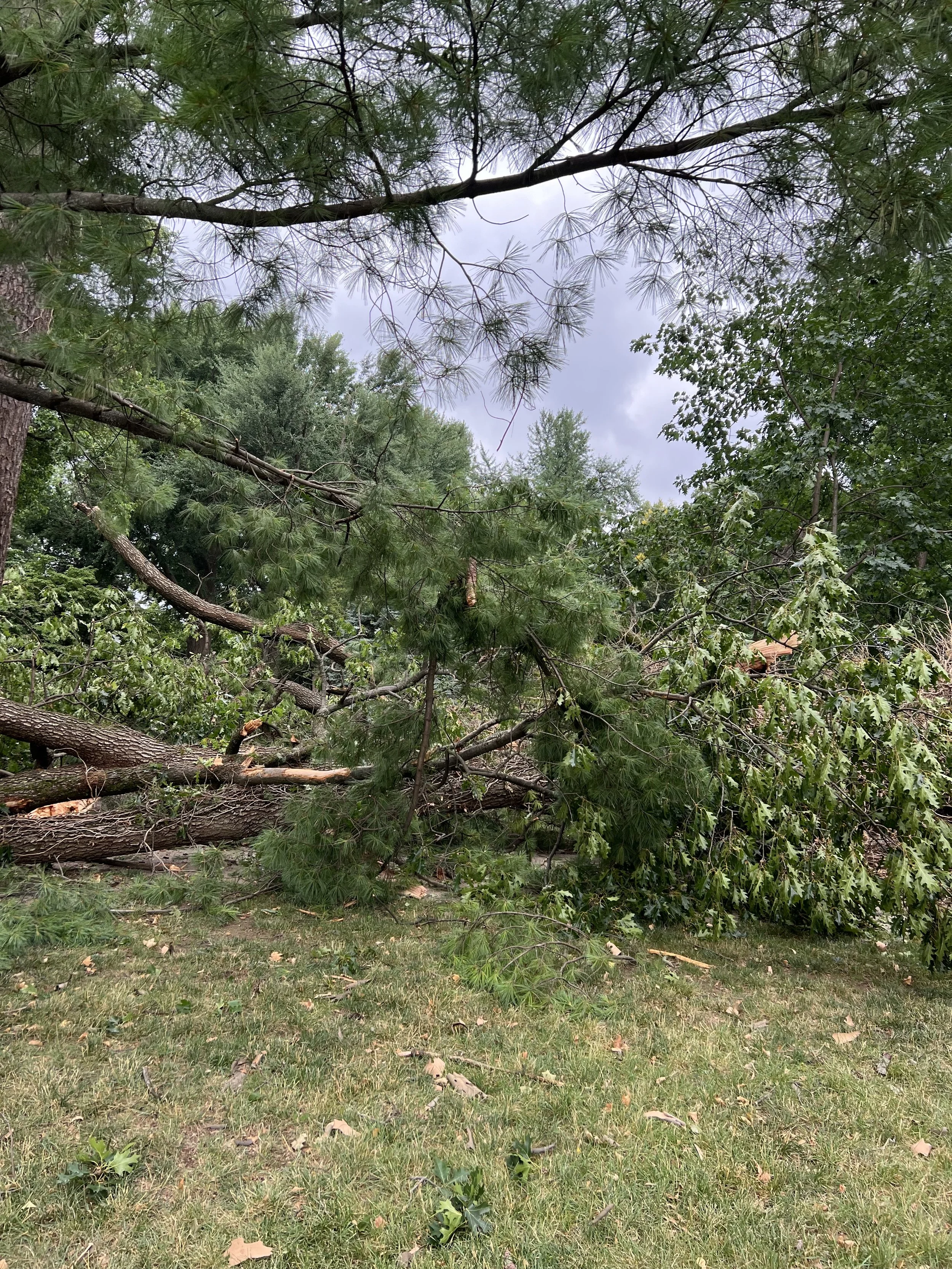
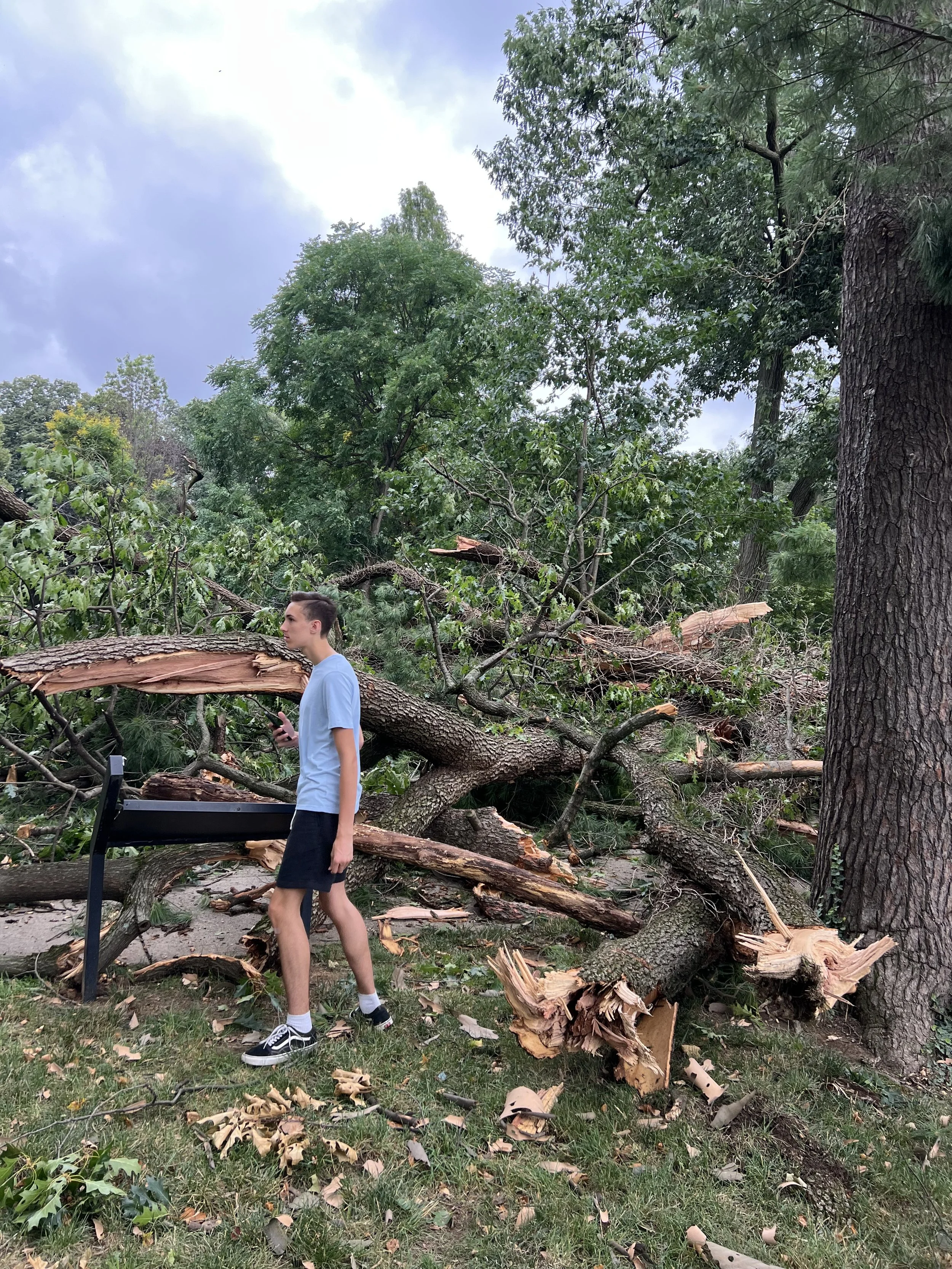
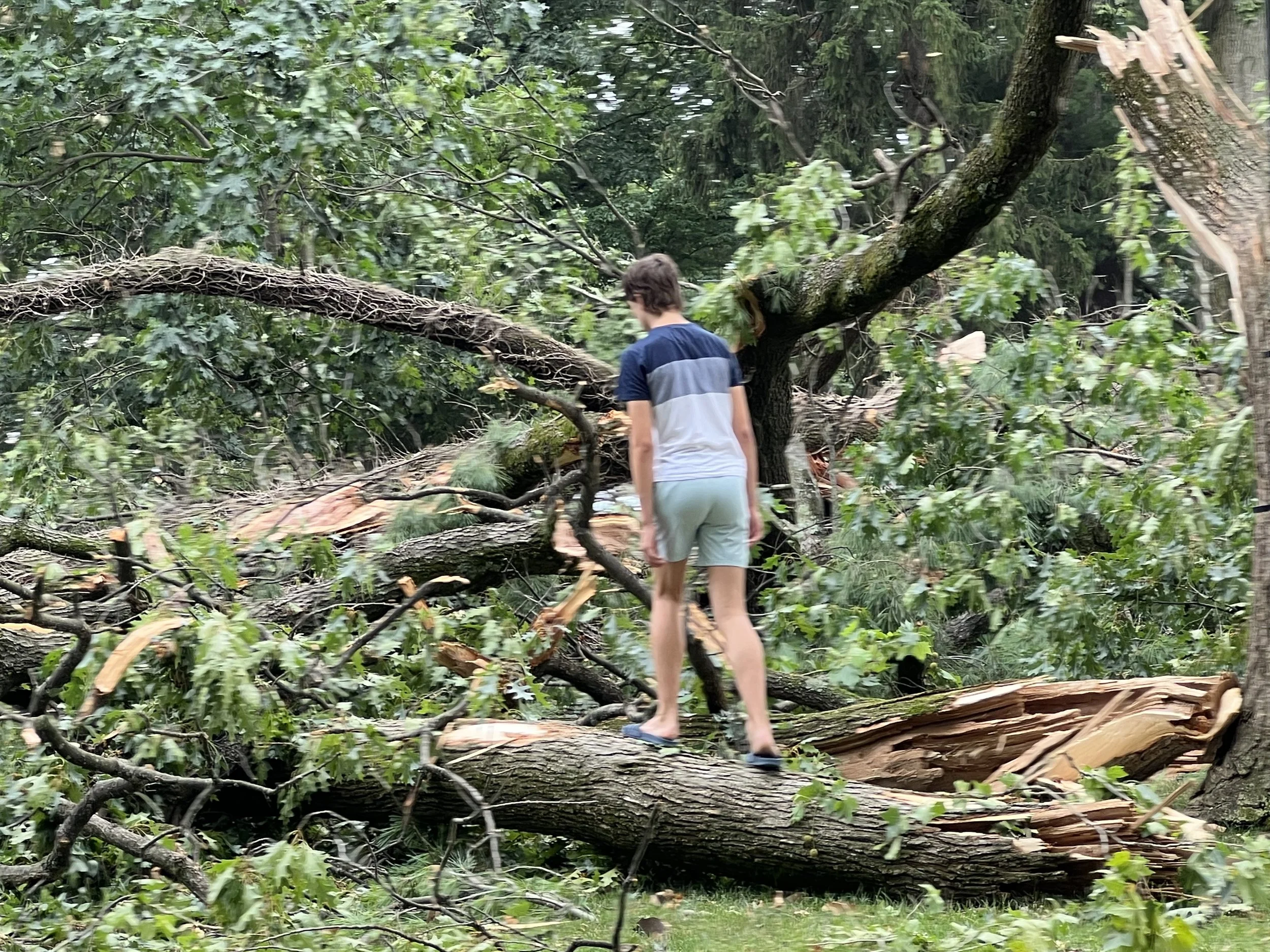
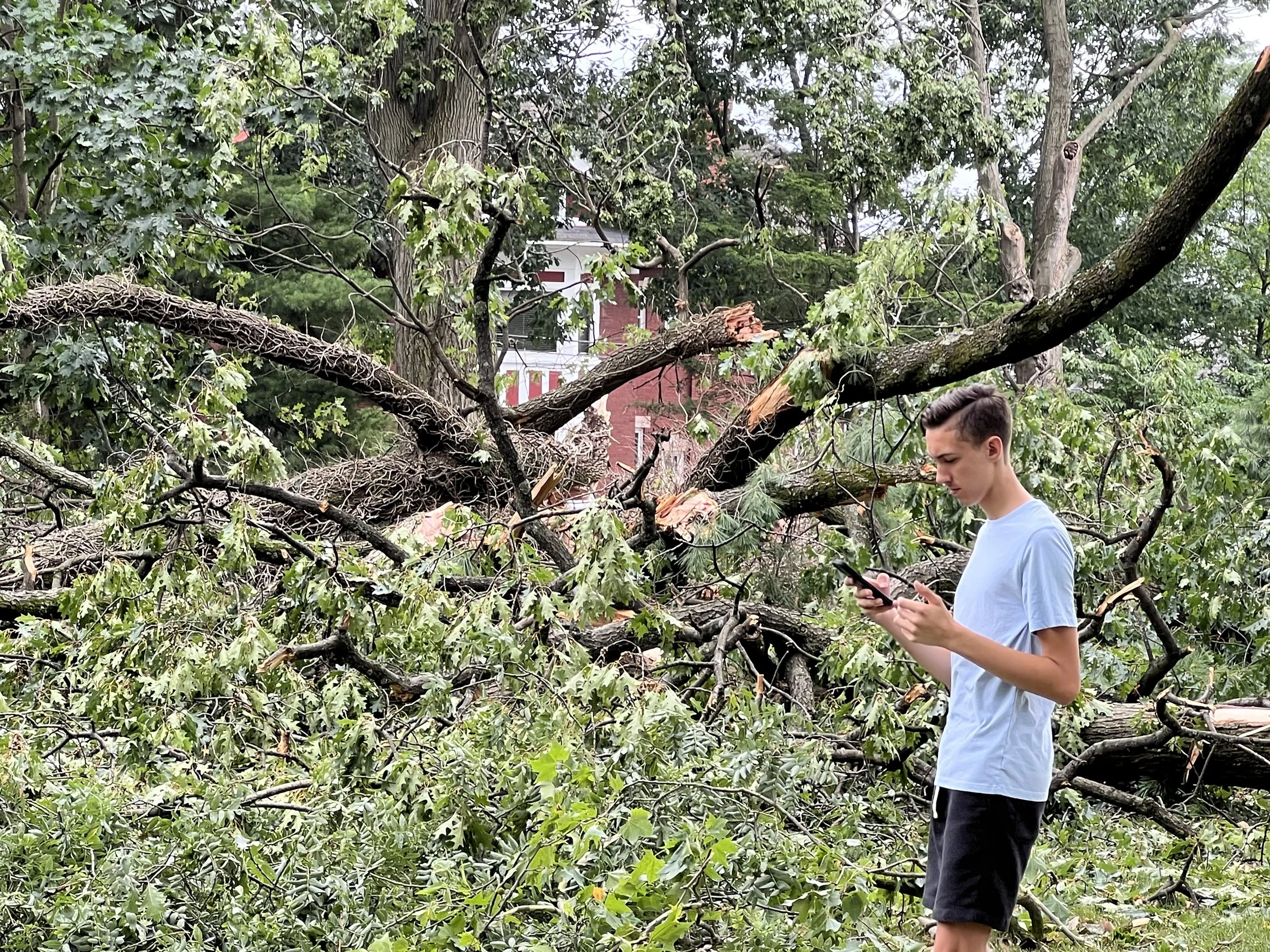
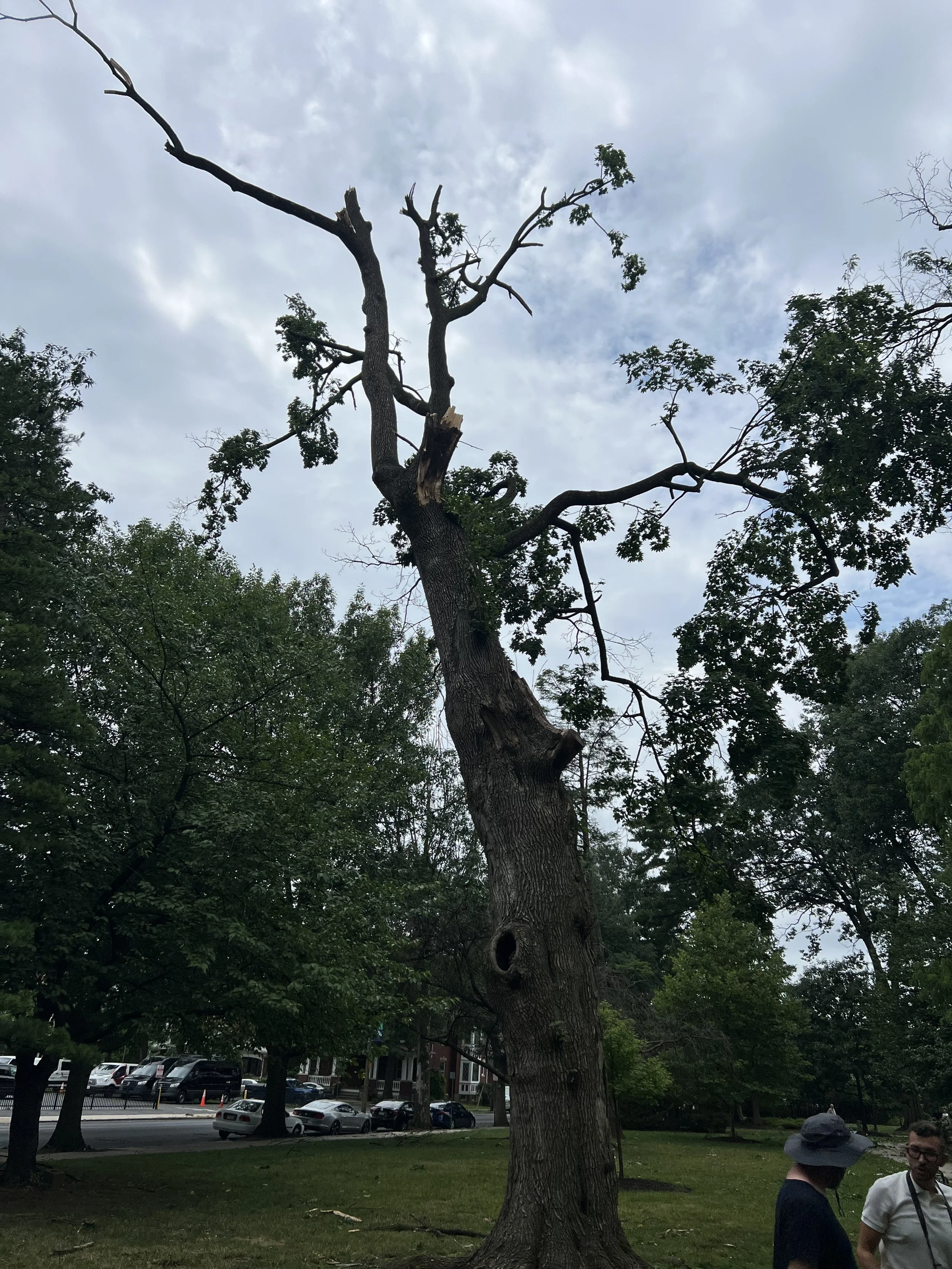
This year, though, the park’s south side was a little less shady. On July 4th, we lost four majestic trees, each nearly 120 years old, in a severe storm (as we reported at the time). Several younger trees were also lost. That communication reached 140,000 people and garnered thousands of reactions and hundreds of responses. We've been moved by how many people have reached out to mourn these losses alongside us.

In response, the WPCA created a permanent Canopy Committee — a group dedicated to being friends, advocates, and caregivers for our park's irreplaceable trees, as well as the street trees throughout the wider neighborhood.

On September 1, we had the pleasure of meeting with a representative from Mayor Tuerk’s office, Director of Parks Mandy Tolino, Superintendent of Parks Christian Bianco, Trexler Trust CEO Janet Roth, Parknership Executive Director Ruffian Tittman, and other city officials and staff. Together, we talked through next steps for restoring General Trexler and J. Franklin Meehan's original park plan — carefully, and to the highest standards of arboricultural care.

We were so thrilled that everyone at the table shared our commitment to taking the extra time needed to get this right: preserving the picturesque, naturalistic character of Meehan's original planting design, and honoring General Trexler's remarkable legacy in giving Allentonians one of the finest, most mature park systems in the nation.

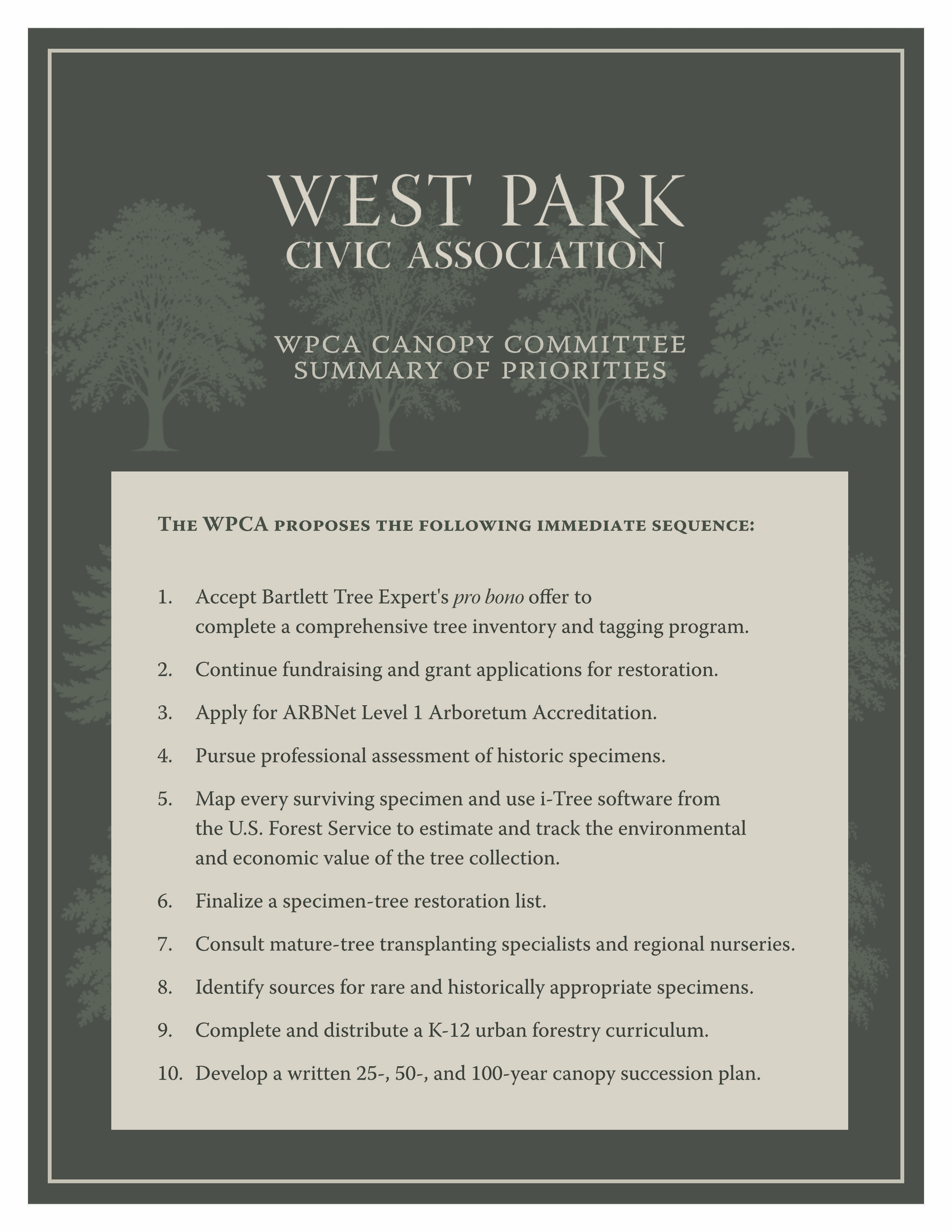
  • Everyone agreed on a unrushed, intentional approach to replanting, which will include:

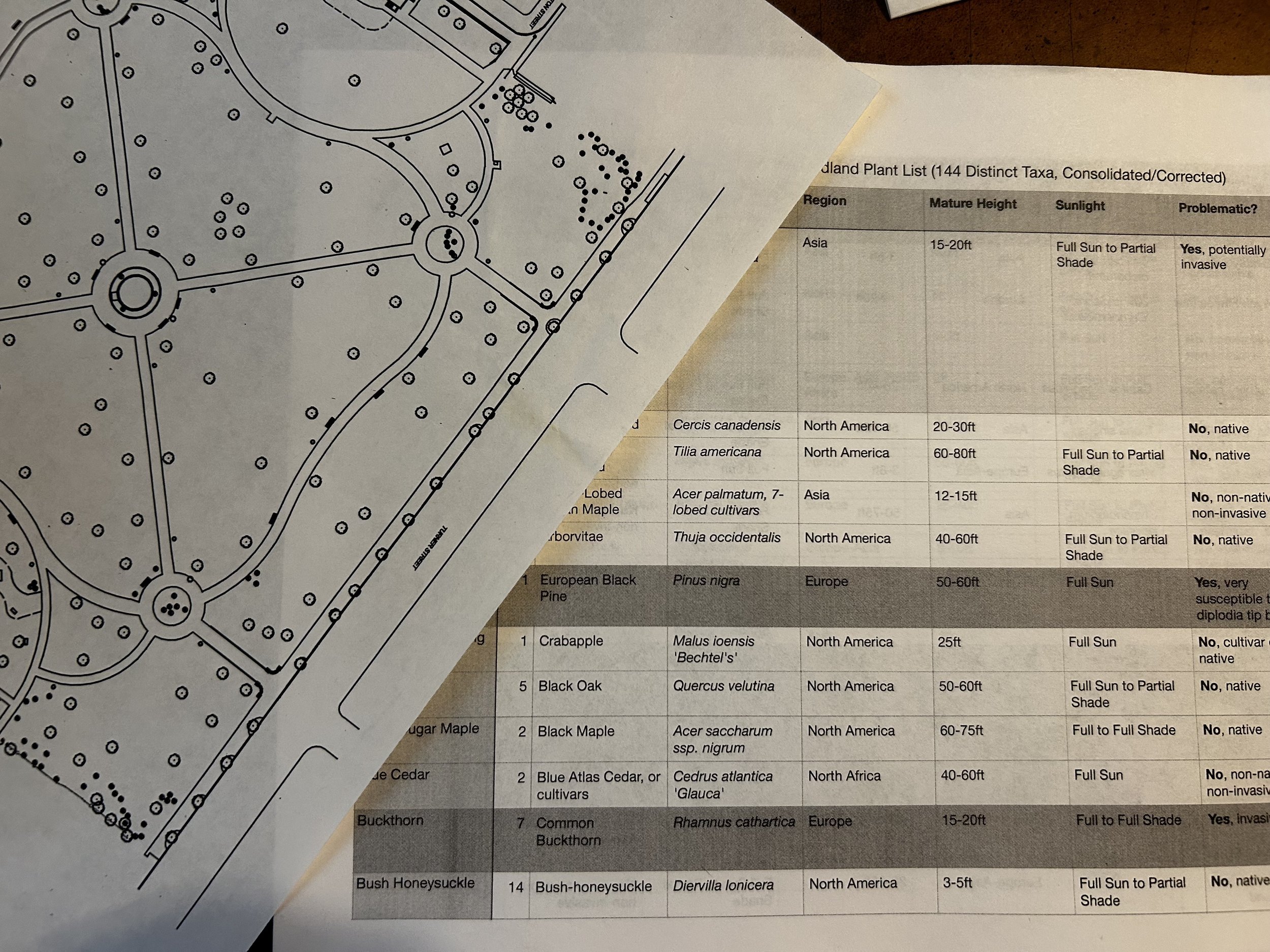
  • Taking inventory of the park's existing trees and shrubs

  • A parkwide assessment by tree care experts

  • Research into the historic planting design

  • Succession planning for the canopy's future

  • Sourcing the right tree specimens even if it takes some time

  • Bringing in transplantation expertise

  • Building better long-term canopy management practices

The lives of trees are very slow. It takes decades to reach a mature height, and a century or more to reach the full breadth of canopy, trunk, and root. Every decision we make about trees, to prune or to fell, to leave be or to intervene can have consequences that will long outlive us. It is for that reason that we want to thank the stakeholders for agreeing that there is no urgency in making only the right decisions for the next 120 years.

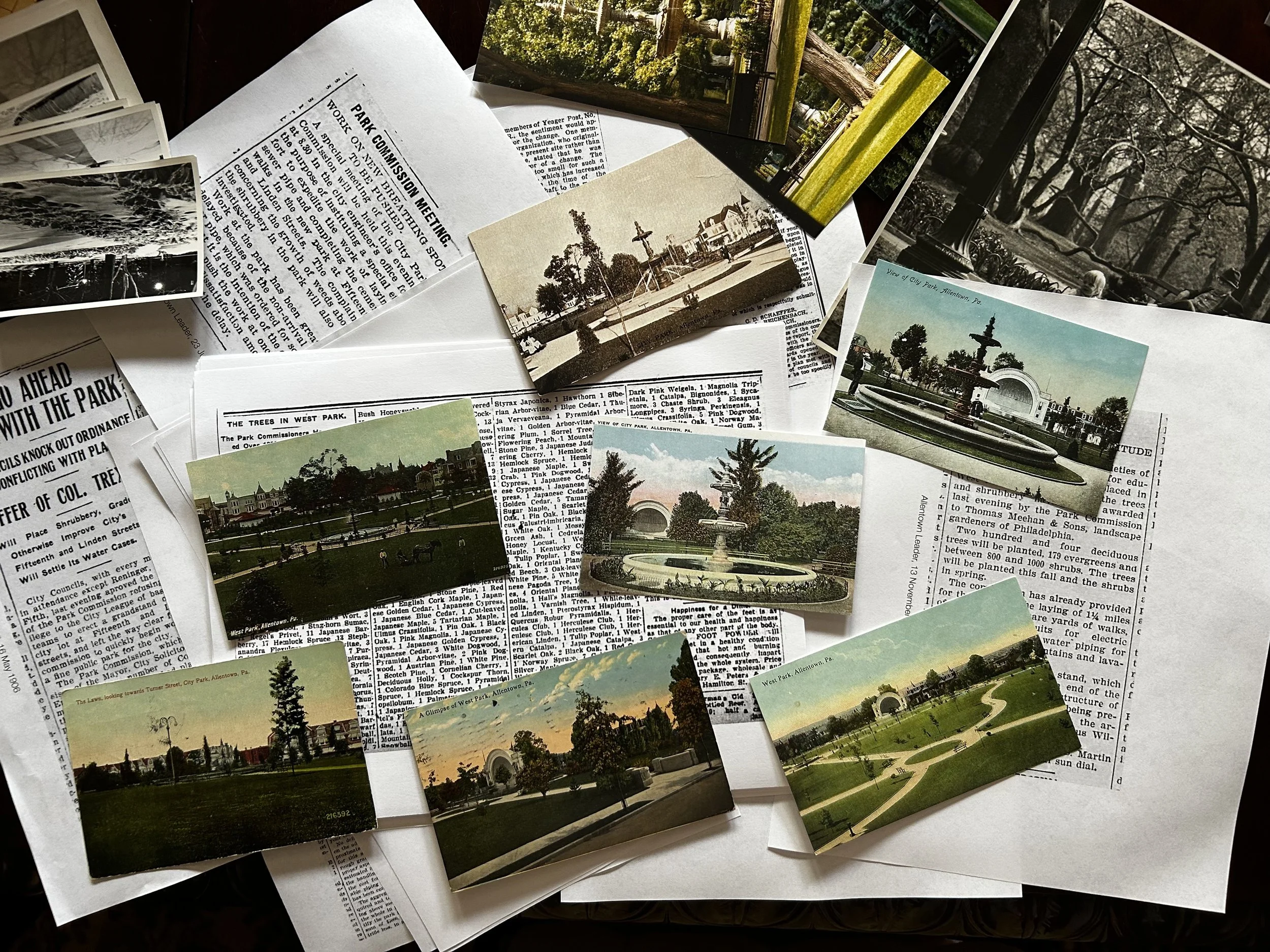
And we have some exciting news to share! Adam Bond, a member of the WPCA board and chair of our Canopy Committee, spent the past couple of weeks digging through primary and secondary historical sources — and uncovered something remarkable: a previously unknown period newspaper report listing every single species, hybrid, and cultivar originally planted in the park. All 1,200 original trees and shrubs!

Adam has since cross-referenced this discovery with supporting materials from the work of J. Franklin Meehan and his assistant Robert B. Cridland, who went on to become a celebrated landscape architect and educator in his own right. Together, this research has let him reconstruct the park's original planting plan — including good approximations of where missing species once stood, and how the perimeter and entrance beds were originally composed.

Adam plans to publish his full findings very soon. The WPCA remains deeply grateful to the City of Allentown and its staff for their cooperation and patience as we work together to restore our beloved park.

July 4, 2026 Storm Devastation

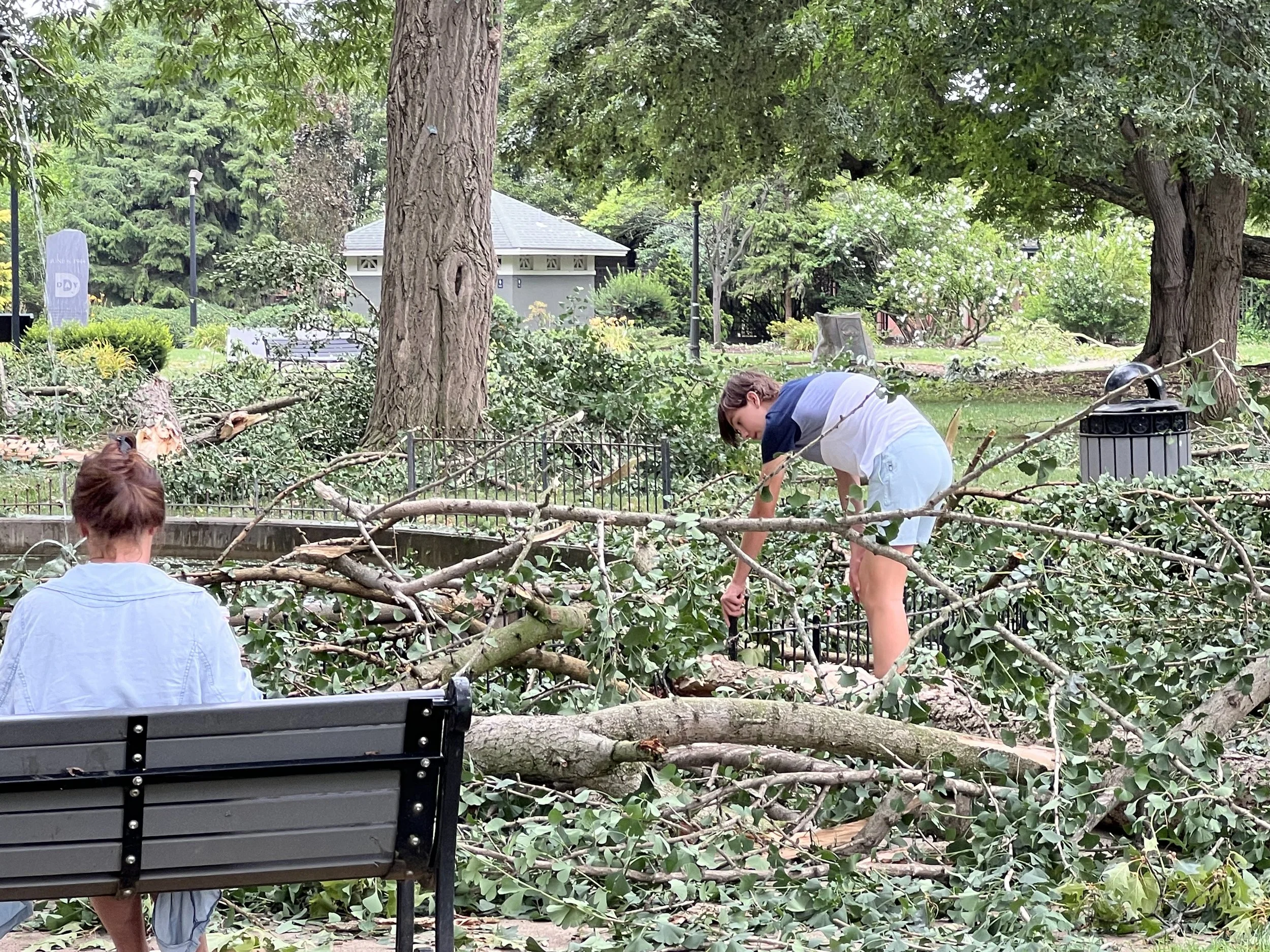
July 5, 2026 Allentown, Pennsylvania — Late last night, at approximately 9:30 on July 4, a weather anomaly (a partially formed tornado, or perhaps a derecho) swept through the West Walnut and West Park neighborhoods of Allentown. One of our members, standing on an east-facing porch on 17th St, watched as torrential rain drove from the the west sideways at tremendous speed, transformers burst into arcs of blue light, and limbs and debris hurtled down the street. Many of our neighbors remain without power. Please reach out to the people in your orbit to lend a hand.

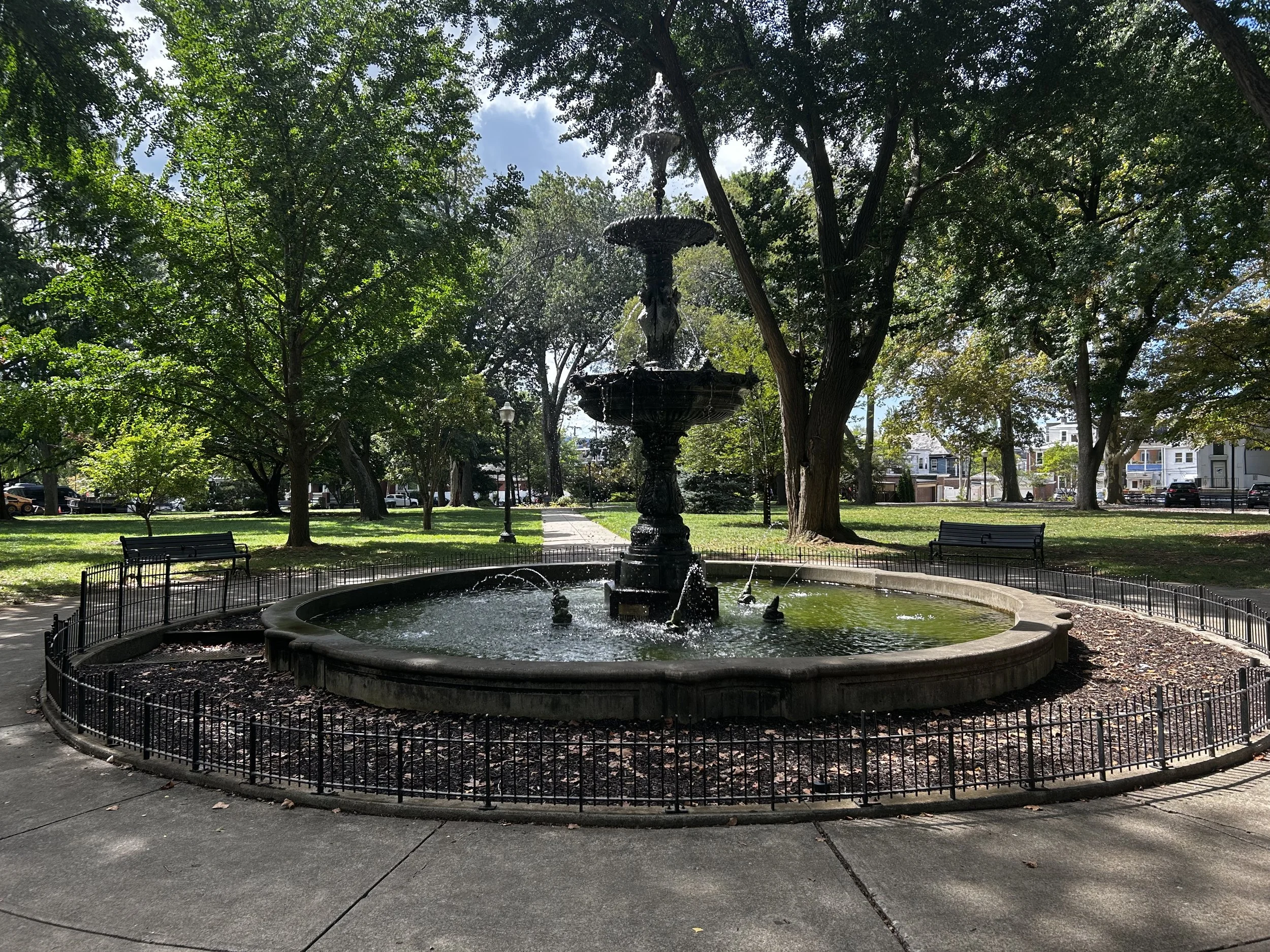
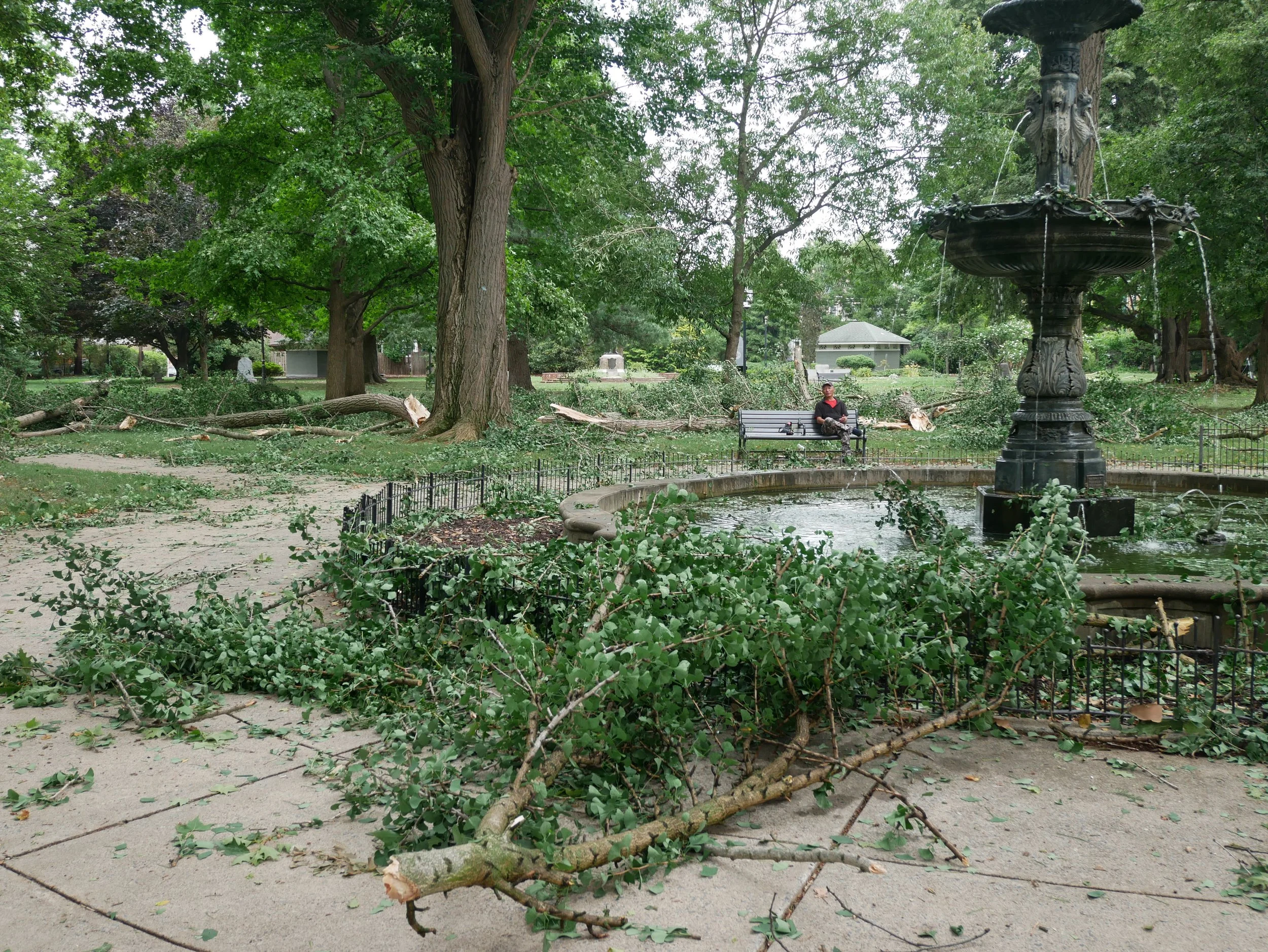
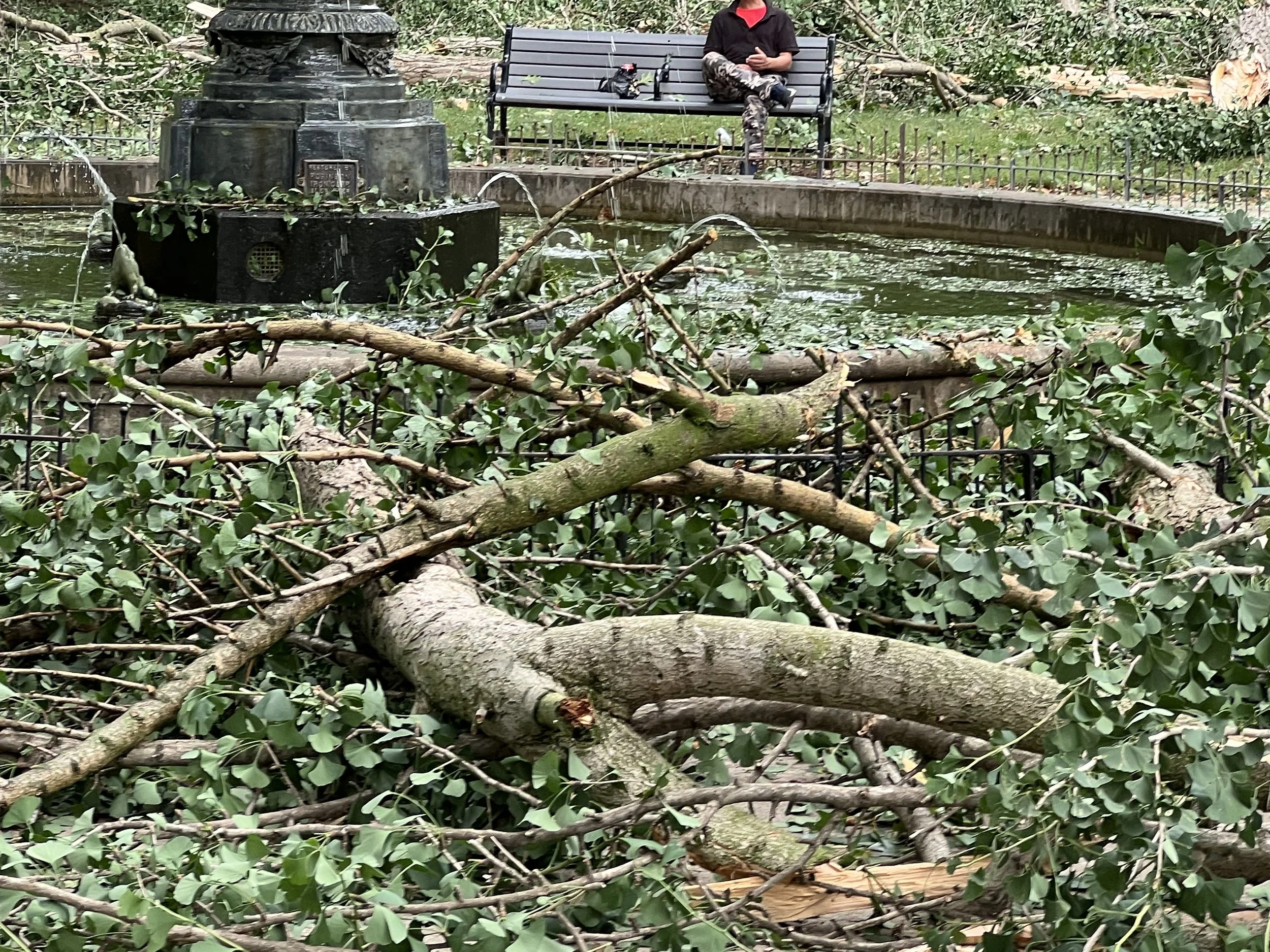
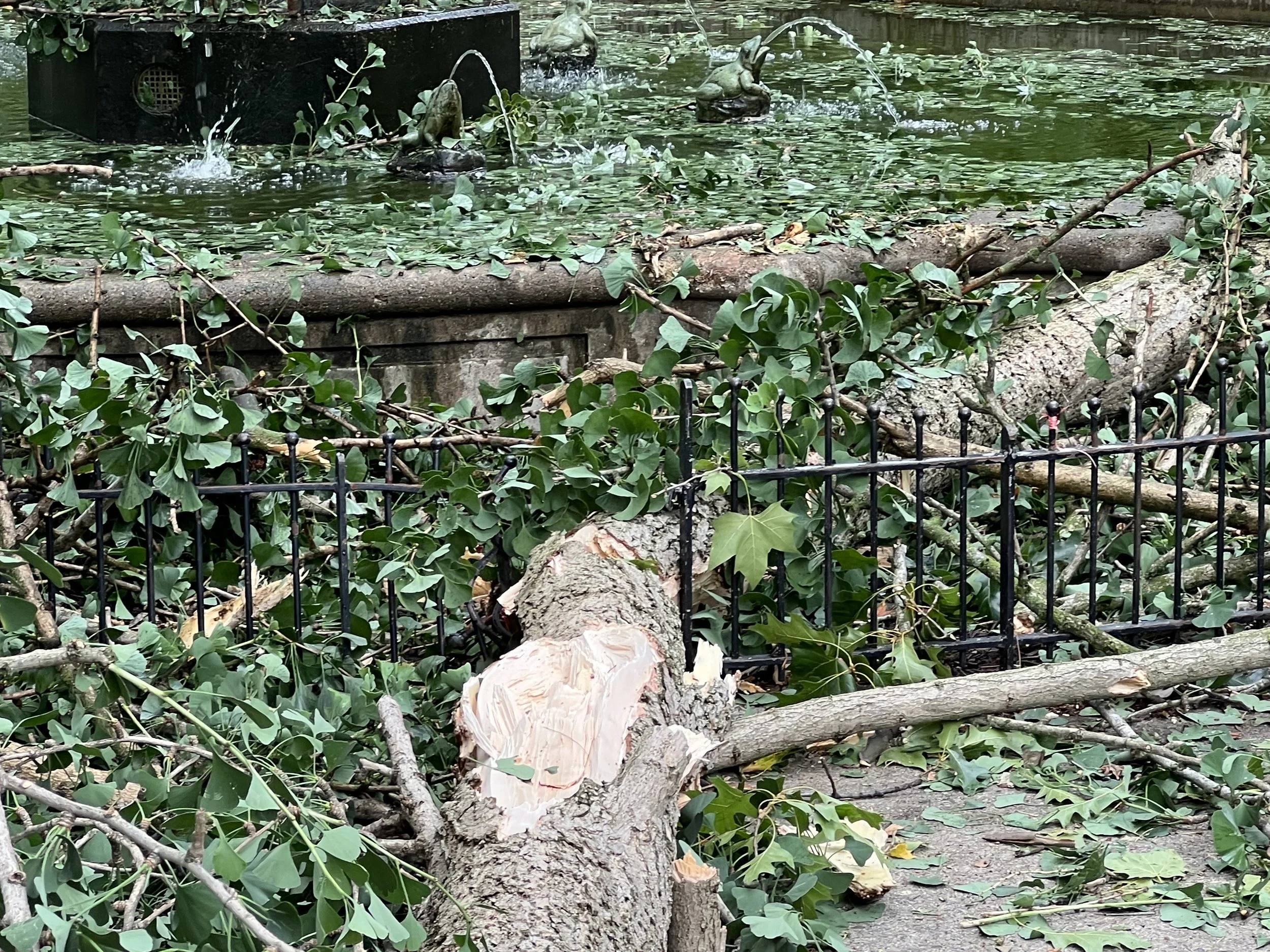
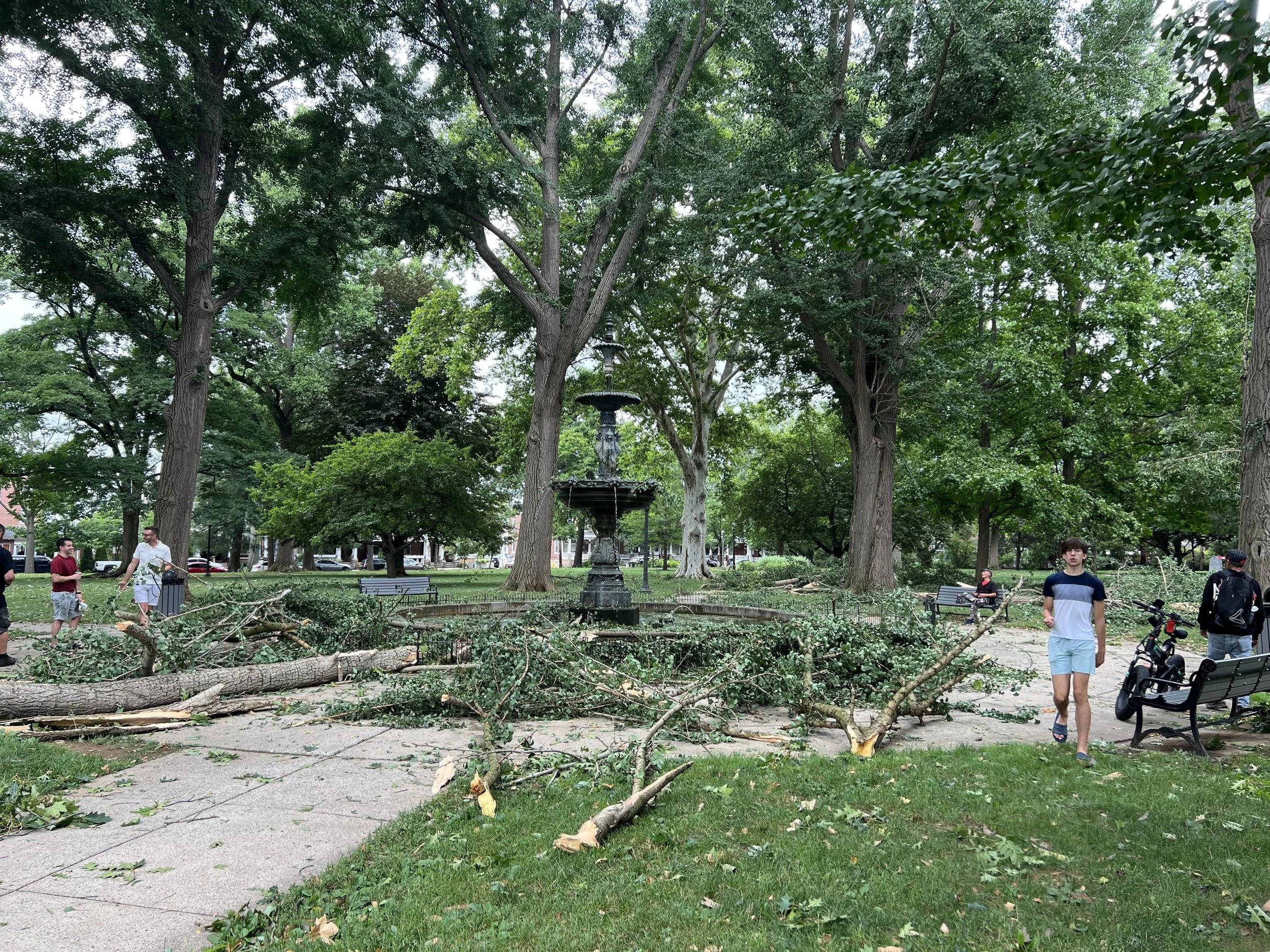
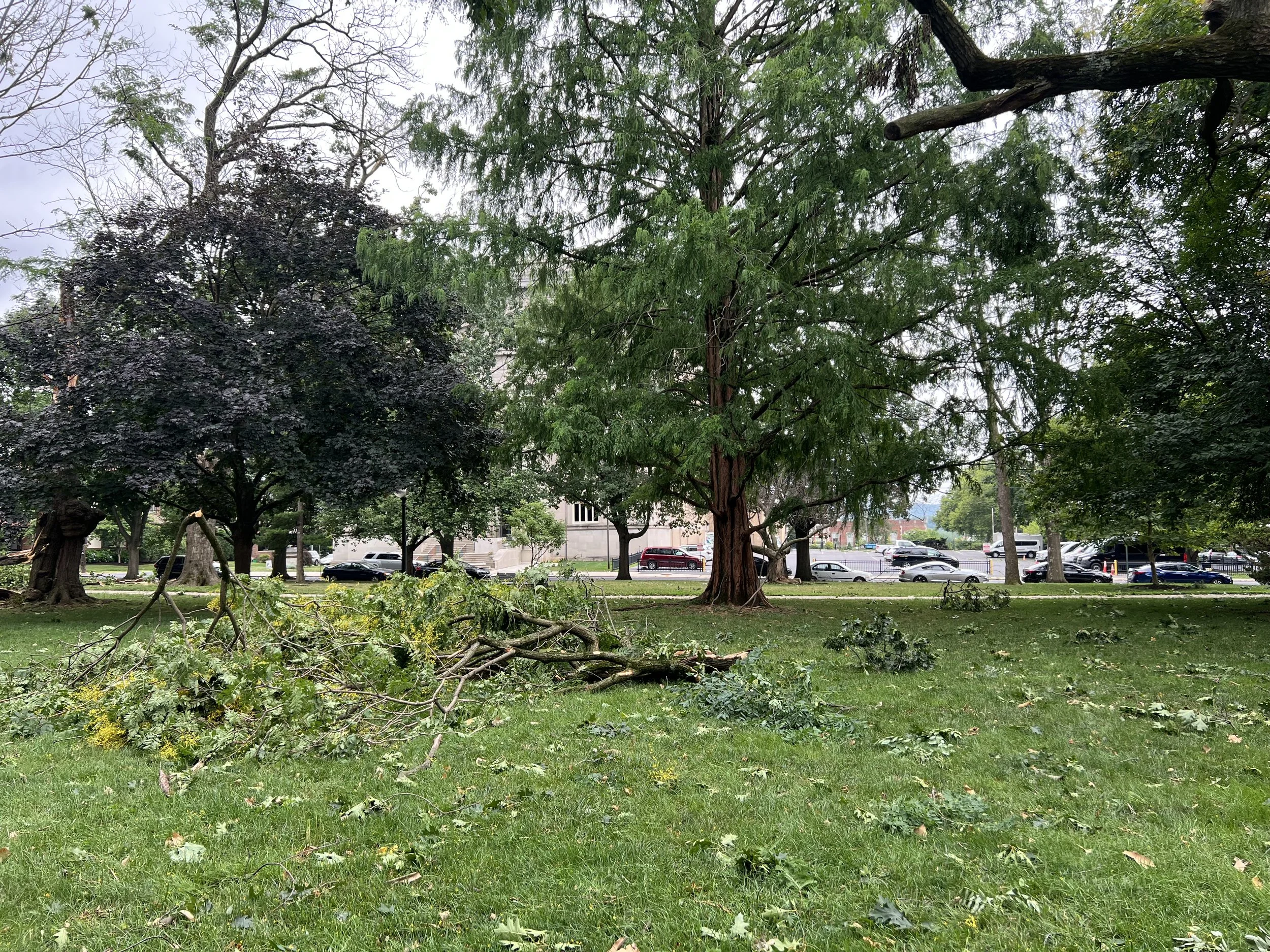
At dawn, many of us emerged to survey the wreckage: our beloved West Park had absorbed the worst of it, particularly along its southern edge. The bandshell, the fountain, and the memorials all escaped harm, though the southernmost sycamore near the bandshell shed a major limb.

Less fortunate were the two mature oaks in the park's southwest corner; both must be counted as total losses, and the larger of the pair was uprooted entirely. In that same corner, a white pine and a Japanese pagoda tree lost much of their crowns; so too did the Kentucky coffee tree, Norway maple, and black locust along the park's south-central border near the Masonic Temple. The gingkoes ringing the fountain suffered extensive limb breakage but appear otherwise sound and worth preserving. Neighbors pitched in to clear the fountain of fallen limbs and branches.

All but two of the trees involved were original to the park's 1908 planting; reckoning with their loss emotionally will take time.

The WPCA has already been in touch with the City Parks Department and has begun assembling a species-specific succession planting plan to help fund and safeguard the park's arboretum. Youth in the neighborhood, for their part, are exploring Climate Action grant funding to help carry the effort forward.

We will never stop advocating on behalf of West Park and its historic canopy, pursuing the same expansive vision and legacy-minded foresight that guided its founders, so that generations to come may experience it exactly as they intended.

Anyone interested in donating, helping raise funds, or getting involved in future horticultural projects or direct action in West Park should contact us at westpark.ca@verizon.net or call our president at 610-737-7132, or simply come to one of our meetings, held at 7pm on the first Tuesday of every month at the Episcopal Church of the Mediator.